EN
EN AR
AR BG
BG HR
HR CS
CS DA
DA NL
NL FI
FI FR
FR DE
DE EL
EL HI
HI IT
IT JA
JA KO
KO NO
NO PL
PL PT
PT RO
RO RU
RU ES
ES SV
SV TL
TL IW
IW ID
ID LV
LV LT
LT SR
SR SK
SK SL
SL UK
UK VI
VI HU
HU TH
TH TR
TR FA
FA GA
GA LA
LA MI
MI MN
MN

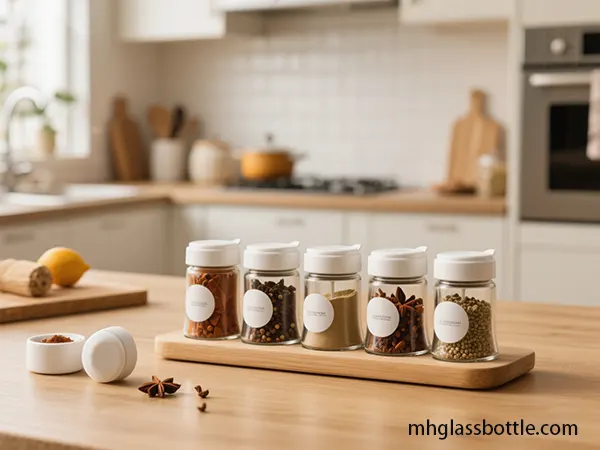
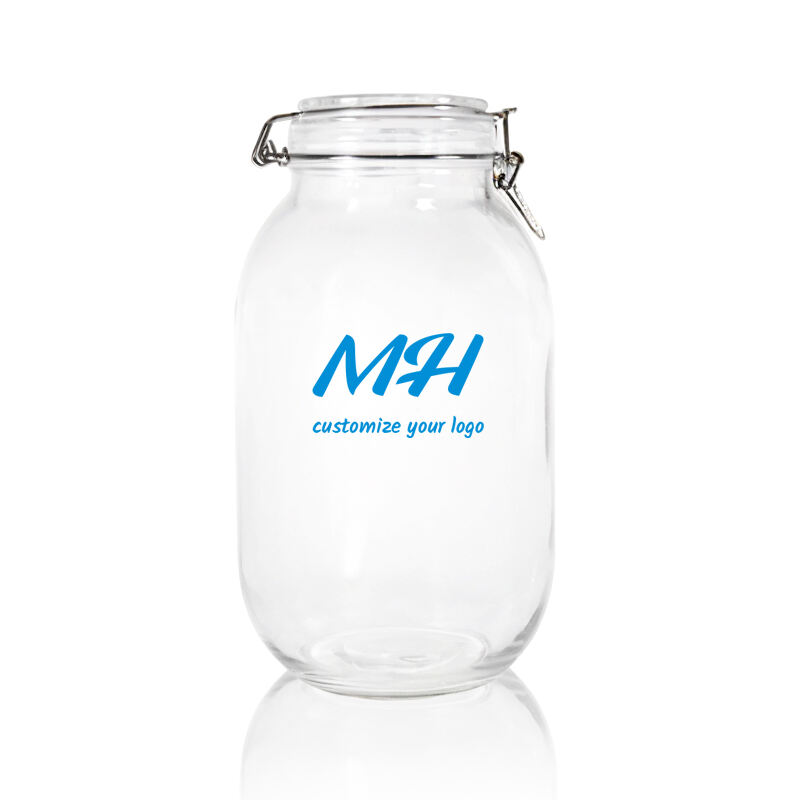
Този доклад забавя важни аспекти на закупуването на вехо големи кутии за приправи , фокусирайки се върху идентифициране на икономически ефективни решения за бизнеса в различни области. Анализира се гъвкавото определение на пазарното разделяне, стратегии за покупка на базата на обем, физическите параметри и "икономическа ефективност", които надхвърлят стойността на единичния продукт. В доклада са изследвани и изискванията за опаковане на крайните пазари, доставчиците, стратегиите за взаимодействие и новите технологии за опаковане. Като синтезира тези елементи, бизнесът може да разработи стратегически карти за набавяне, персонализирани към закупуването на големи буркани с подправки на вехо, което гарантира цялостността на продукта, възприятието на марката и общата рентабилност. Minghang 's големи съдове за подправки дават пример за стратегическо решение за набавяне, като комбинират висока издръжливост, премиум естетика и мащабируемост. Съдовете им от стъкло за подправки запазват цялостта на продукта, подкрепят позиционирането на марката и предлагат икономически ефективен вариант за групно закупуване.
Сегментация на пазара и анализ на категорията подправки
Икономическата ефективност на голям обем от големи съдове за подправки е вътрешно свързана с конкретни подправки и категории, за които са предназначени за опаковане. Различните подправки изискват уникални опаковки, определени от техните физически свойства, срок на годност и чувствителност към външни фактори.
Сушени билки
Сушените билки обикновено са по-малко склонни да се сплескват в сравнение с мелените подправки, но могат да губят летливи масла и аромат с времето. Опаковката трябва да осигурява плътно затваряне, за да се предотврати навлизането на влага и въздух. Стъклени съдове с герметична затвора са идеални за запазване на прясността и силата. Големите съдове за подправки на Minghang, с висококачествените си затварящи механизми, помагат да се удължи срока на годност и да се запази ароматът на билката.
Смлени подправки
Смляните подправки имат кратък срок на годност, като контактът с въздух и светлина поради увеличената им повърхност ускорява окислението и губенето на вкус. Опаковката трябва да осигурява силен бартиер срещу кислород, влага и светлина. Съдовете за подправки от стъкло, особено с подходящи UV покрития или кафяви съдове, са предимство. Пластмасовите съдове, макар и по-икономични, не могат да осигурят такава защита, както стъклените.
Цели подправки
Целите подправки, като например пръчки канела, карфиол и пипер, имат по-дълъг срок на годност поради непокътнатата си структура. Запазването на аромата и предпазването от абсорбиране на влага остава важно. Големи съдове за подправки от стъкло предлагат отлична защита и премиерен вид, подходящи за дребно търговско или обемно съхранение.
Смеси от подправки
Смесите от подправки, съдържащи различни съставки, изискват опаковка, която осигурява постоянна вътрешна среда. Въздушно затворени стъклени буркани предотвратяват накълняване, влошаване на качеството и промяна на аромата.
Стратегии за набавяне според обема и оптимизация на разходите
Годишният обем на набавяне на буркани с подправки е основен фактор при определяне на цените и избора на доставчици. Закупуването на големи количества позволява икономия чрез мащабиране и стъпково оценяване.
Модели със стъпково оценяване
Доставчиците често предлагат стъпково оценяване, при което цената за единица намалява с увеличаване на обема на поръчката. Например, кръгъл стъклен буркан за подправки от 118 мл може да струва 1,53 USD за брой при 1–119 броя, но да падне до 0,90 USD за брой при 5000–10 000 броя. Пластмасови буркани, като буркан от полиестер (PET) от 177 мл, могат да намалеят цената си от 0,565 USD на брой за единични поръчки до 0,337 USD за поръчки над 16 000 броя.
Минимални количества на поръчка (MOQs)
Доставчиците задават минимални обеми за поръчка (MOQ), за да насърчат закупуването на големи количества и да оптимизират производството и логистиката. Съгласуването на MOQ с прогнозирания годишен обем е от решаващо значение за икономическа ефективност.
Дългосрочни споразумения (LTAs)
Дългосрочните споразумения осигуряват стабилни цени, подобрени условия за фактуриране и възможни отстъпки. Те позволяват на доставчиците да планират производството ефективно, понякога съхранявайки персонализирани големи стъклени съдове за подправки предварително.
Допълнителни стратегии за обем
- модели „Похарчи и спести“: Единичните разходи намаляват при достигане на определени прагове за харчене.
- Персонализирани оферти: Големите поръчки могат да бъдат адаптирани за оптимизирано ценообразуване.
- Отстъпки за палети: Закупуването на палетни количества често допълнително намалява разходите на единица продукт.
Материална наука и стабилност при набавянето на съдове за подправки
Цената на материала влияе върху икономичността, целостта на продукта, възприятието за марката и стабилността. Основните материали включват стъкло, пластмаса и метали.
Стъкло
- Предимства: Неутрален, химически инертен, запазва аромата и вкуса на подправките, осигурява UV защита, може да се рециклира неограничено, изразява премиум имидж.
- Щети: Тежък, крехък, високи транспортни и разходи за подмяна, енергоемко производство.
- Приложение: Идеален за скъпи подправки, търговска презентация или продукти, изискващи стабилност. Стъклената кутия за подправки от Minghang осигурява премиум издръжливост и защита, подходяща както за дребно, така и за едро търговско приложение.
Пластмаса
- Предимства: Лек, икономичен, универсален, устойчив на счупване.
- Недостатъци: Възможна химическа миграция, по-слаба защита срещу кислород и влага, околната среда.
- Приложение: Подходящ за пазари с висока видимост и ниски цени, където теглото и ефективността при транспортиране са приоритет.
Метал (КОНСЕРВНИ КУТИИ)
- Предимства: От вторична суровина, лек, защитен, енергийно ефективен при рециклиране.
- Щети: Енергоемко първоначално производство, потенциална екологична вреда от добива на суровини.
- Приложение: Често се използва в индустриални или специализирани пазари, които изискват висока сигурност.
Определяне и количествена оценка на „икономическа ефективност“ извън цената на единица
Истинската икономическа ефективност отчита логистиката, оперативната ефективност и качествени фактори, които надхвърлят единичната цена.
Логистика на доставките
Разходите варират в зависимост от тегло, обем, дестинация и превозвач. Леки пластмасови кутии намаляват транспортните разходи, докато стъклените шишета за подправки могат да изискват предпазни вложки.
Минимално количество за поръчка и срокове за доставка
Съгласувайте обема на покупката с минималните изисквания на доставчика, за да избегнете по-високи цени. Срокът за доставка влияе на плана за складови запаси и изискванията за резервен запас.
Чистота и качество
Здрави големи шишета за подправки намаляват щетите вследствие счупване. Плътни запечатвания, устойчивост на влага и UV защита увеличават продължителността на живот.
Вторична опаковка и условия за плащане
Ефективни кутии, вложки и етикети намаляват щетите и транспортните разходи. Предпочитани условия за плащане подобряват паричния поток.
Валута и надеждност на доставчика
Закупуването на международни доставчици въвежда рискове. Надеждните доставчици намаляват забавянията, връщанията и прекъсванията в операциите.
Решения за опаковка на крайния пазар и икономически последици
Предназначеният крайният пазар за големи буркани с подправки определя специфични изисквания за опаковка, което влияе върху общата икономическа ефективност.
Търговия на дребно
- Изисквания: Визуално привлекателна опаковка, за да привлича потребителите, изразява самоличността на марката и предпазва продукта по време на транспорт и употреба. Бурканите за подправки от стъкло се предпочитат поради своята прозрачност, премиум образ и способността да показват цветовете на подправките.
- Следствия за цената: Високата първоначална цена и теглото при транспортиране на стъклените буркани могат да увеличат цената на единица продукт, но издръжливостта и развитието на марката могат да оправдаят инвестициите. Персонализирани размери, релефни лога или оцветени буркани добавят допълнителна стойност.
Пазар на хранителни услуги
- Изисквания: функционалност и ефективност за ресторанти, кетъринг и институционални кухни. Предпочитат се лесни за различаване, стабилни и подходящи за голям обем буркани.
- Следствия за цената: Големите покупки и издръжливите материали максимизират икономичността. Ефективната опаковка намалява отпадъците в кухнята и разходите за обработка.
Промишлено производство
- Изисквания: Осигуряване на съвместима опаковка, безопасност на продуктите и спазване на регулаторните изисквания с автоматични пълнежни линии. Често се използват големи контейнери, най-често от пластмаса или метал.
- Следствия за цената: първостепенно значение има издръжливостта на цената, второстепенно — интеграцията и съответствието с производствените линии. Дребношкурен ценообразуване, здраво проектиране и минимални загуби осигуряват икономия.
Поставяне на доставчиците и преговорни тактики
Стратегическите доставчици изискват ангажиране и взаимодействие, за да се осигурят висококачествени бурканчета с подправки на икономически изгодни цени.
Големи дребношкурови доставчици
- Ubo Glass (Китай): Конкурентни цени, ниско ниво на емоции, възможност за адаптация (релефно тисане, шелаково тисане, оцветено стъкло).
- Berlin Packaging: Хибридна компания с предлагани стъклени, пластмасови и метални буркани, както и етикетиране и услуги за веригата на доставки.
- Опаковки за зелена земя: Екологично стъкло с фокус върху тенджери за подправки и издръжливи опции за дребно търговско предлагане.
- Други забележителни доставчици: Ваймар (Германия), Ardag Group (Люксембург), SGD Pharma (Франция), In Vitro Packaging (Мексико), Piramal Glass (Индия), Hordin Glass (Индия), O. Burke Company (САЩ), Aaron Packaging (Индия/САЩ).
Стратегия за разговор
Използвайте обем и нива на ценообразуване: големите обеми намаляват цената на единица продукт.
- Получете няколко оферти: Създайте еталонно ценообразуване и използвайте това като предимство.
- Условия за плащане: Благоприятните условия подобряват паричния поток; отстъпката при първоначалното плащане може да намали разходите.
- Дългосрочни споразумения (LTAS): Осигурете стабилност на цените и приоритетно производство.
- Групова поръчка: Комбинирайте буркан и капак за допълнителни спестявания.
- Обърнете внимание на общата цена на притежание: Помислете за транспорта, издръжливостта, водещото време и възможни повреди.
Иновативни и нововъзникващи технологии за опаковки
Нововъзникващите технологии в опаковките осигуряват възможности за намаляване на разходите и отличаване на марката за големи буркани с подправки.
Нов вид съдържание и стабилност
- Запечатана хартиена тръба: компостируема, рециклируема и плътно затворена.
- Биоразградима/компостируема торбичка: произведена от растителни суровини, гъвкава, издръжлива.
- Рециклирано стъкло: Запазва качеството и съответства на стойностите на екологично ориентираните марки.
- Растителна силопенова торбичка: Пълнене с етикет за тор, нямащ отпадъчен характер.
- Интегриране на подправкови странични продукти: активно опаковане с използване на биоактивни съединения за удължаване на срока на годност.
Умна опаковка
- Активно опаковане: Поглъщане на кислород или влага с абсорбери за предотвратяване на повреди.
- Интегрирано затваряне на сушилника: Изграден контрол на влагата за бурканчета за подправки.
- Опаковки с модифицирана атмосфера (MAP): Рафтът разширява живота, като променя вътрешната среда.
Разширено производство и проектиране
- Лековесен: Дрехите губят тегло, за да спестят транспортните разходи.
- Двойни капаци за трескачки: контролирано разпределение за намаляване на отпадъците.
- Процеси на квалифицирано производство: инжекционно формоване или формиране на стъкло иновации ниска цена на единица.
Стратегии за намаляване на разходите
- Закупувайте на едро от директни производители.
- Участие на доставчици за ексклузивно освобождаване.
- Налягане върху намаляване на разходите за складови запаси.
- Многократно използваема кутия за дългосрочна икономия и стабилност.
Препоръки и стратегическа карта за набавяне
За постигане на икономически ефективни решения за стъклени кутии за подправки, компаниите трябва да приложат многомерна стратегия за набавяне.
Дефиниране на ясни изисквания
- Класифициране на подправките по вид и чувствителност (светлина, влага, кислород).
- Прогноза за годишен обем за използване на ценообразуване по нива.
- Избор на материал: стъкло, пластмаса или метал в зависимост от жизнения цикъл, стабилност и позициониране на марката. Yeboda осигурява висококачествени кутии за подправки с премиум издръжливост и отлична защита на продукта.
Идентификация и оценка на доставчици
- Осигуряване на разнообразие сред доставчиците на национално и международно ниво за конкурентни цени.
- Оценка на асортимента продукти, адаптация, минимално количество за поръчка, сертификат за качество (FDA, ISO, без BPA) и финансова стабилност.
- Приоритет към стабилност, рециклирани материали и прозрачни екологични практики.
Стратегия за преговори
- Използване на прогнозирани годишни обеми.
- Получаване на множество оферти и сравняване на цени.
- Взаимодействие за благоприятни условия за плащане и намиране на LTAS.
- Закупуване на комплект от буркан и капак, за да се максимизират спестяванията.
Адаптация на разходите извън единичната цена
- Изчислете транспорта, издръжливостта и възможността за повреда.
- Адаптирайте вторичната опаковка за безопасност и икономическа ефективност.
- Оценете водещото време, за да избегнете липса на складови запаси или допълнителни наличности.
Приемете новите технологии
- Проучете нови материали (рециклирано стъкло, биоразградим плик).
- Използвайте интелигентна опаковка (абсорбатор на кислород/влажност).
- Адаптирайте дизайна за леки, ефективни и функционални шишета за подправки.
Непрекъснато подобрение
- Наблюдавайте пазарните тенденции и регулаторните промени.
- Регулярно преглеждайте представянето и разходите на доставчиците.
- Събирайте данни за покупките, операциите и реакциите на клиентите.
Заключения
Прилагането на тази стратегическа насока позволява на компаниите да закупуват големи съдове за подправки и стъклени съдове за подправки, които осигуряват баланс между икономическа ефективност, качество и стабилност на продукта. Стъклото на Minghang гарантира дългосрочна мащабируемост, предлагайки висококачествени решения като големи съдове за подправки, които запазват цялостта на продуктите, повишават възприемането на марката и максимизират оперативната ефективност. Като интегрират стратегии за обем, познания в областта на материалознанието, взаимодействия с доставчици и нови технологии за опаковане, компаниите могат да създадат гъвкава и печеливша програма за набавяне на съдове за подправки на едро.
Съдържание
- Сегментация на пазара и анализ на категорията подправки
- Стратегии за набавяне според обема и оптимизация на разходите
- Материална наука и стабилност при набавянето на съдове за подправки
- Определяне и количествена оценка на „икономическа ефективност“ извън цената на единица
- Решения за опаковка на крайния пазар и икономически последици
- Поставяне на доставчиците и преговорни тактики
- Иновативни и нововъзникващи технологии за опаковки
- Препоръки и стратегическа карта за набавяне
- Заключения