EN
EN AR
AR BG
BG HR
HR CS
CS DA
DA NL
NL FI
FI FR
FR DE
DE EL
EL HI
HI IT
IT JA
JA KO
KO NO
NO PL
PL PT
PT RO
RO RU
RU ES
ES SV
SV TL
TL IW
IW ID
ID LV
LV LT
LT SR
SR SK
SK SL
SL UK
UK VI
VI HU
HU TH
TH TR
TR FA
FA GA
GA LA
LA MI
MI MN
MN

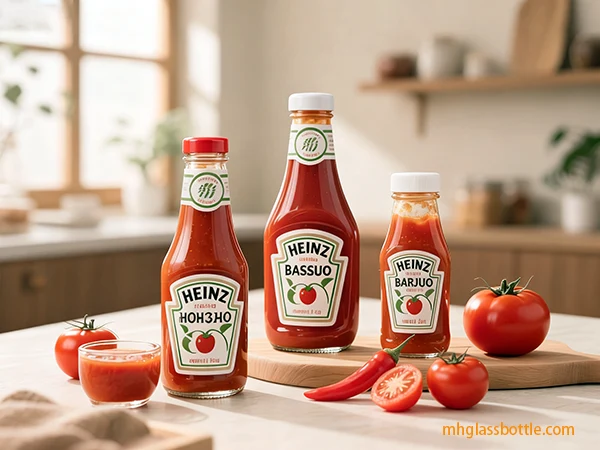
The hot sauce industry, a lively and fast-growing segment of the world food market, is facing a major change that is being led by the use of smart packaging solutions. This report is about the present and future of these new and innovative technologies that are designed specifically for hot sauce bottle manufacturing. The adoption of smart packaging, which is equipped with both active and intelligent features, can empower food safety and confirmation of product originality, ease supply chain management, and entice consumer engagement in the hot sauce bottles factory. Integration is facilitated predominantly by the motivation factors that include stringent regulations requirements, consumer expectations that are on the rise with regard to the aspects of transparency and sustainability, and operational efficiencies. The available technologies such as RFID, NFC, IoT sensors, blockchain, and AR are not mere ideas but are practical tools that provide to the users the opportunity of real-time monitoring, dynamic communication, and data integrity. Nevertheless, a significant barrier to these kinds of technologies' acceptance is typically their expensive initial cost and the challenging process of incorporation. Still, the numerous and long-term advantages that comprise not only the waste reduction, customer loyalty, and the attainment of competitive advantages but also the other benefits will make it a matter of strategic urgency for hot sauce bottles factory to exploit these technology trends for their benefit.
The Strategic Imperative for Smart Packaging in Hot Sauce
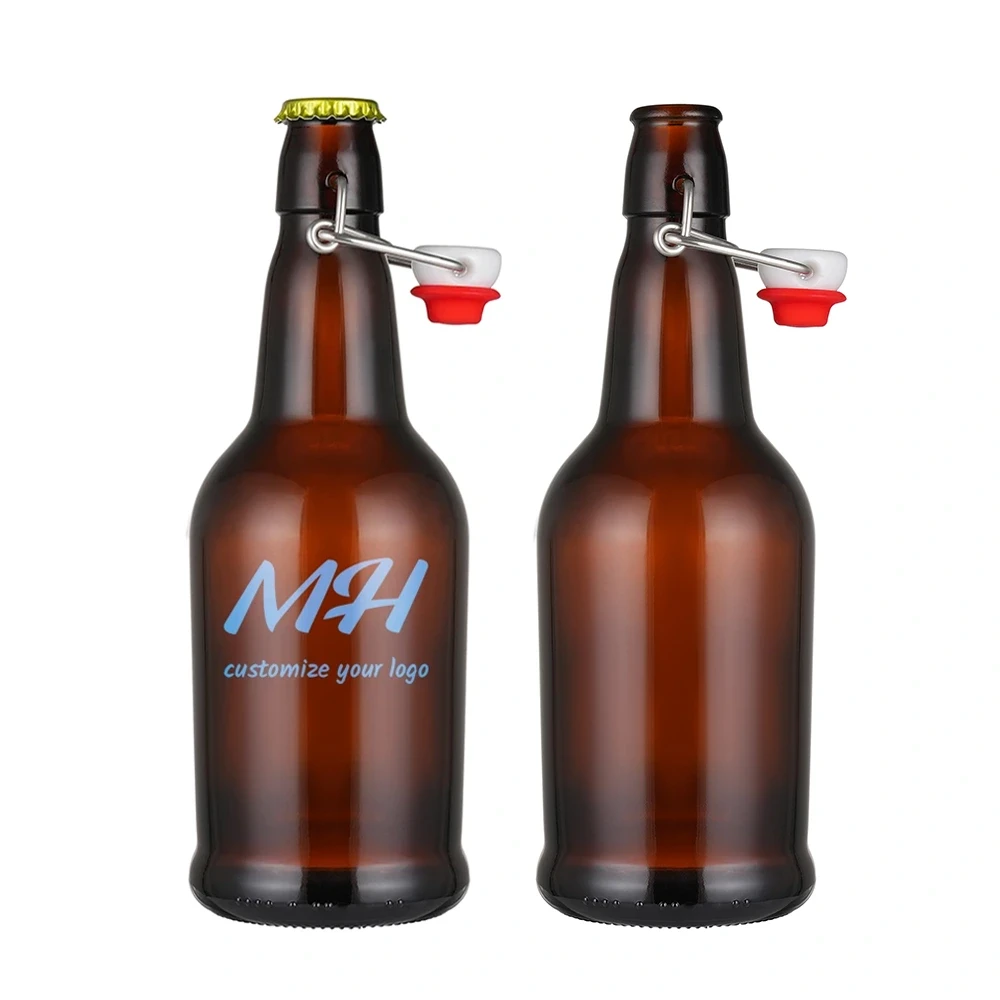
The context for the global hot sauce market can be described as a fierce competition characterized by the presence of multiple alternatives, and a customer who is very demanding and is progressively more keen on the product's provenance, quality, and environmental footprint. Packaging, in this volatile scenario, has not only reaffirmed its traditional role of containment and protection but has also become a very important strategic asset. The amazing Minghang hot sauce bottles factory is a live experience of the coming era of this progression, it is the producer of high-quality glass bottles tailor-made for smart packaging integration.
Smart packaging can be broadly categorized into:
Intelligent Packaging
- Systems that check the status of the goods or the surroundings and send a message:
- Time-temperature indicators (TTIs)
- Gas sensors for bottle headspace
- RFID/NFC tags for tracking and authentication
Active Packaging
Packaging that presently communicates with the product or its surroundings to lengthen storage life or to make safety better. However, hot sauce is not expected to be actively engaged. Feature-wise, moisture-absorbing elements in secondary packaging and antimicrobial cap coatings could be good examples. This report is mainly about smart features that are installed in the hot sauce bottles themselves, factory operation solutions, and integrated systems for supply chain management. It is a strategic imperative to the hot sauce bottles factories to understand these solutions and implement them in order to stay competitive, guarantee the integrity of the product, and get access to the new channels of consumer loyalty.
Key Drivers for Smart Packaging Adoption in Hot Sauce Bottles Factory
The urge to hot sauce bottles factories to deploy smart packaging solutions has multiple aspects viz. regulatory pressures, market demands, and operational efficiencies. Minghang hot sauce bottles factory is a convincing demo for manufacturers packed with perks like the production of high-quality glass bottles that can effortlessly accommodate smart packaging features.
Enhanced Food Safety and Quality Assurance
- Time-Temperature Indicators (TTIs): Visual markers that may indicate degradation of quality.
- Tamper Evidence: NFC-based digital tamper alerts.
- Ingredient Traceability: Safety and verification through digital audit trails.
- PH and Gas Sensors: The earliest indications of decay for small-batch hot sauce or exceptionally sensitive hot sauces.
Sustainability Goals
- Waste Reduction: Proper freshness monitoring is the root cause of less waste of food.
- Optimized Recycling and Disposal: Smart tags link to recycling instructions and rewards.
- Supply Chain Efficiency: Minimizing spoilage is the main reason behind less energy consumption and lower emissions.
Improved Consumer Interaction
- Brand Storytelling: The use of NFC/QR codes allows one to get to the engaging digital content instantly.
- Recipe Sharing: Usage tips and recipes become immediately accessible.
- Loyalty Programs: Scan-enabled rewards and promotions.
- Feedback Mechanisms: Simple linking for surveys and reviews.
Anti-Counterfeiting Measures
- Unique Digital Identifiers: NFC/QR codes with high security for authentication.
- Blockchain Integration: The authenticity is verified through unalterable records.
- Layered Security: The use of holograms with smart tags.
Operational Efficiencies and Cost Reduction
- Real-time Inventory Management: The automated tracking is enabled by RFID.
- Optimized Production Lines: The maintenance is predictive and sensor-based.
- Reduced Recalls: The traceability allows for isolation of the precise batch.
- Supply Chain Optimization: The real-time monitoring can eliminate spoilage during transit.
Core Smart Packaging Technologies for Hot Sauce Bottles
RFID (Radio-Frequency Identification)
The use of Passive, Active, Semi-Passive tags is for tracking the inventory, managing the batch, and monitoring the logistics.
NFC (Near Field Communication)
The main areas that get along best with the help of the NFC technology and smartphones are consumer engagement and anti-counterfeiting.
IoT Sensors
TTIs, humidity, gas, shock/vibration sensors are used for real-time monitoring of storage and transportation conditions.
Blockchain for Data Integrity
Blockchain serves supply chain traceability,anti-counterfeiting, compliance, and recall management purposes.
Augmented Reality (AR) for Consumer Engagement
AR enables the use of interactive brand storytelling, recipes, gamification, and product information.
QR Codes/Data Matrix Codes
These codes are the most cost-effective and simplest ways to access product information, check for authenticity, and allow digital engagement.
Advantages of High-Quality Glass Bottles for Smart Packaging
The below points highlight the features of glass that make it the perfect match for smart packaging:
- Smooth, non-reactive surface for tag adhesion
- Excellent barrier against oxygen, moisture, and light
- Design consistent with automated labeling and sensor application
- Strong, clear, and compatible with smart features
Smart Functionalities Across the Hot Sauce Value Chain: From Factory to Consumer
Hot Sauce BOTTLE Factory Operations & Quality Control
- Automated Line Monitoring: IoT sensors are used to detect bottlenecks and errors.
- Predictive Maintenance: The AI/ML algorithms are always one step ahead in foreseeing the possible breakdowns of machines.
- Real-time Quality Monitoring: The vision systems along with inline sensors are used for a defect detection.
- Batch Tracking & Recall Management: The unique identifiers not only allow safe recalls but also fast ones.
Bottle-Embedded & Consumer Engagement
- Shelf-Life Monitoring: TTIs or freshness sensors are used.
- Anti-Counterfeiting Authentication: NFC/QR-based secure verification is the way to go.
- Direct Consumer Interaction: The consumer gets the possibility of the brand to offer recipes, promotions, brand storytelling, and sustainability info.
Supply-Chain Traceability & Logistics
- End-to-End Visibility: The combination of RFID + blockchain results in the complete tracking.
- Cold Chain Monitoring: IoT sensors are utilized in making sure that the temperature is as required.
- Optimized Logistics: The methods of real-time shipment tracking and inventory optimization are used to achieve this.
- Automated Inventory Management: This enterprise system helps to reduce labor, errors, and support JIT strategies.

Current Adoption Landscape and Future Trends (3-5 Year Outlook)
Current Adoption Status
- Basic traceability (QR codes, barcodes)
- Consumer engagement experiments (AR, NFC)
- Operational efficiency (IoT sensors, predictive maintenance)
Future Trends
- Smart tags and sensor miniaturization and their cost reduction
- AI/ML integration for predictive maintenance, logistics, and personalized experiences
- Eco-friendly smart materials for packaging
- Regulatory push for transparency and traceability
- Consumer experiences that are personalized
- The standardization and interoperability of smart technologies
Emerging Disruptive Technologies
Edible sensors, self-healing packaging, advanced biometrics, and energy harvesting
Regional Variations
- Europe: Sustainability and regulatory compliance are the main drivers of smart packaging technology adoption.
- North America: The development of technologies to stimulate consumer engagement and to combat the counterfeiting of products are the most important trends that the region sees.
- Asia-Pacific: The region mainly focuses on the issues of counterfeiting prevention and e-commerce traceability.
- Latin America/Africa: These are the regions where smart technology is only adopted in niche areas due to the cost and infrastructure limitations.
Challenges and Implementation Considerations for Hot Sauce Bottles Factory
Initial Investment Costs
- Hardware, software, integration, and smart tags/sensors
- Pilot programs recommended to mitigate financial risk
Integration Complexities with Existing Infrastructure
Integration difficulties with current infrastructures include issues such as interoperability, physical retrofitting, and prevention of data silos.
Data Security & Privacy
Cybersecurity, consumer data privacy (GDPR, CCPA), and proprietary information protection are some of the most vital areas of data security and privacy.
Regulatory Compliance
Compliance issues related to food contact materials, labeling standards, data handling, and international regulations.
Technical Expertise & Training
IT, data analytics, automation, robotics, sensor technology, and employee upskilling are the areas that make up the technical expertise and training.
Scalability
The scalability of a business depends on infrastructure capacity, production speed, and cost-effectiveness at high volumes.
ROI Justification
Define KPIs, establish baselines
Conclusion and Strategic Recommendations for Hot Sauce Bottles Factory
Smart packaging is a fundamental change in the hot sauce industry that keeps the product from being altered, takes care of the operational part in a more efficient way, and finally, customer engagement is maintained. Along with the implementation of these technological innovations such as RFID, NFC, IoT sensors, blockchain, and AR, there is an infinite potential for their application not only in one place but also all along the supply chain. Although several kinds of problems arise with smart packaging, the advantages this approach offers to the company's strategic purposes are more significant than them.
Strategic Recommendations
- Set up Pilot Programs with Well-Defined Objectives – Go for a small-scale approach to check the ROI.
- Build Alliances Strategically – Get together with the people who develop the technology and the manufacturers of top bottles.
- Don the Implementation Phased Model – Start turning on the systems with most significant impact and functionalities in the first place.
- Civil Data Analytics and Cybersecurity – Change raw data into workable insights and at the same time keep it secure.
- Attract Consumers by Designing for Experience and Sustainability – Turn growth into interaction and eco-friendliness.
- Keep Up with Changes in the Law – Always be sure that you are compliant and safe from upcoming regulations.
In this way, hot sauce bottles factories by implementing these tactics can be the first to market smart packaging solutions, thereby integrating the vast benefits they bring to the organization and ultimately achieving higher rankings in the competitive landscape.
Table of Contents
- The Strategic Imperative for Smart Packaging in Hot Sauce
- Key Drivers for Smart Packaging Adoption in Hot Sauce Bottles Factory
- Core Smart Packaging Technologies for Hot Sauce Bottles
- Smart Functionalities Across the Hot Sauce Value Chain: From Factory to Consumer
- Current Adoption Landscape and Future Trends (3-5 Year Outlook)
- Challenges and Implementation Considerations for Hot Sauce Bottles Factory
- Conclusion and Strategic Recommendations for Hot Sauce Bottles Factory
 ONLINE