EN
EN AR
AR BG
BG HR
HR CS
CS DA
DA NL
NL FI
FI FR
FR DE
DE EL
EL HI
HI IT
IT JA
JA KO
KO NO
NO PL
PL PT
PT RO
RO RU
RU ES
ES SV
SV TL
TL IW
IW ID
ID LV
LV LT
LT SR
SR SK
SK SL
SL UK
UK VI
VI HU
HU TH
TH TR
TR FA
FA GA
GA LA
LA MI
MI MN
MN

Price is a lie.
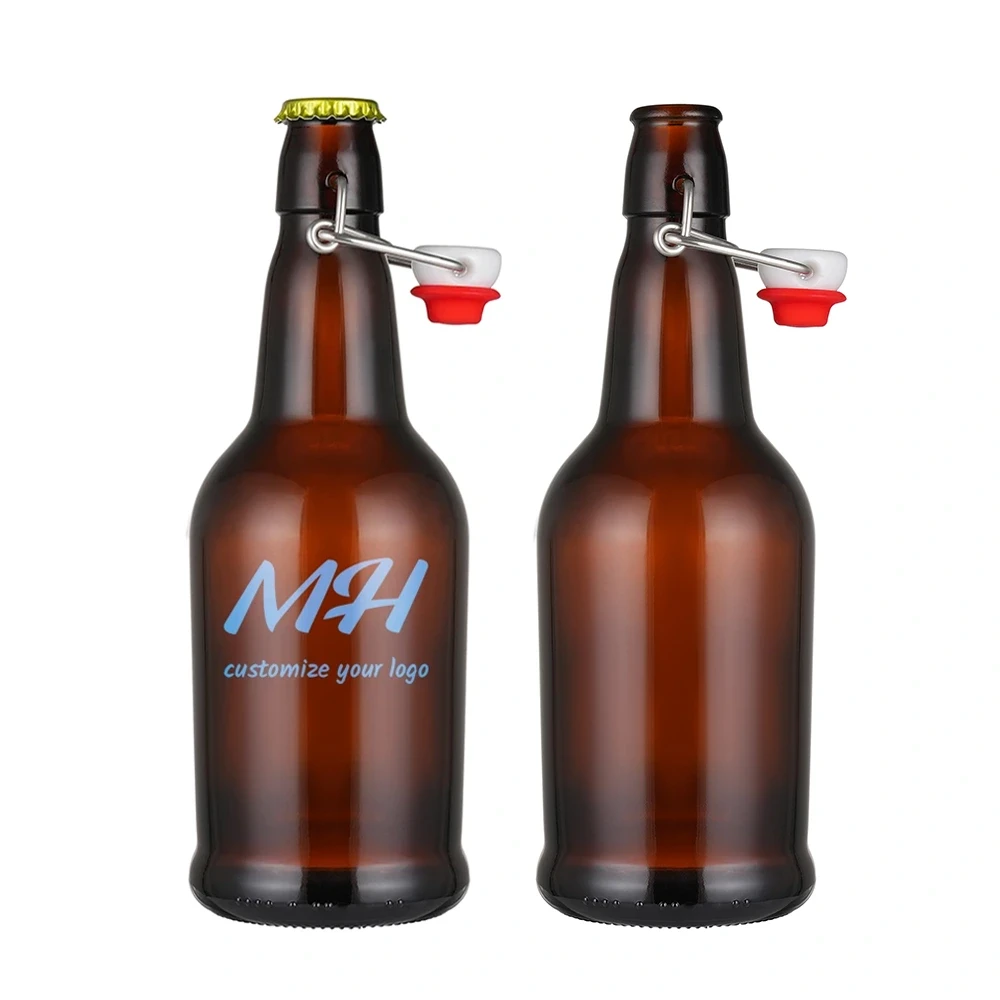
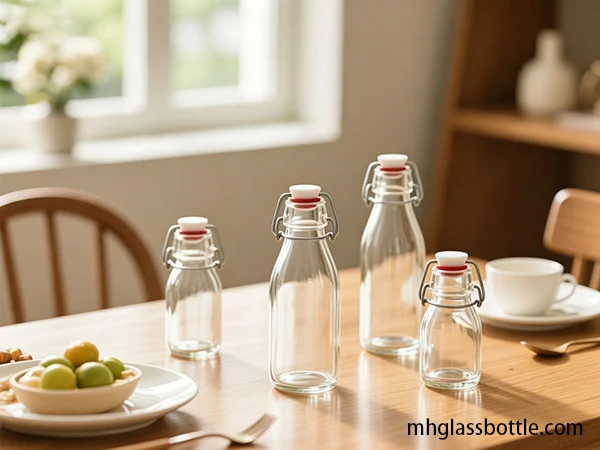
Most B2B buyers focus on cost per unit when sourcing 750ml swing top glass bottles, while ignoring the structural reality: these containers are pressure vessels.
If you are bottling kombucha, sparkling oil, beer, or carbonated water, you are not buying packaging—you are buying a system designed to contain force.
And if that system fails, it does not leak quietly.
It explodes.
The Hidden Physics Inside 750ml Swing Top Glass Bottles
Every sealed bottle operates under competing forces:
• Internal gas pressure pushing outward
• Glass tensile strength resisting expansion
• Gasket elasticity acting as a pressure release system
• Wire bail tension locking everything in place
In properly engineered 750ml swing top glass bottles, these forces are balanced.
In low-cost production, they are not.
PSI Thresholds: Venting vs. Catastrophic Failure
Let’s get specific.
Gasket Venting Pressure (Safety Zone)
A high-quality 750ml swing top glass bottle should begin to vent at:
• 60–85 PSI (0.41–0.58 MPa)
This is intentional.
The silicone gasket deforms slightly, allowing gas to escape before pressure becomes dangerous. This is your built-in safety valve.
Glass Failure Pressure (Danger Zone)
If venting does not occur, pressure continues to rise.
At:
• 150–200 PSI
You are no longer dealing with leakage.
You are dealing with glass rupture.
And when 750ml swing top glass bottles fail at this level, they do not crack—they fragment.
This creates:
• shrapnel risk
• product loss
• serious liability exposure
Why Some Glass Bottles “Burp” And Others Explode
Gasket Material (Shore A Hardness)
The gasket determines whether pressure is released safely.
High-quality bottles use:
• soft silicone (predictable venting)
Low-cost bottles often use:
• rigid rubber
• recycled plastic stoppers
Result:
• Soft gasket → controlled venting
• Hard gasket → pressure buildup → explosion
Wire Bail Tension
The wire bail controls sealing force.
Problems occur when:
• tension is too high (prevents venting)
• material is weak (loses tension over time)
Low-grade galvanized wire may suffer from:
• hydrogen embrittlement
• fatigue failure
This is why premium 750ml swing top glass bottles use:
• 304 stainless steel bails

Glass quality and annealing
Even perfect hardware fails if the glass is weak.
Poor annealing leads to:
• internal stress
• reduced tensile strength
• unpredictable failure points
Properly annealed 750ml swing top glass bottles can theoretically withstand high pressure—but surface defects cut that strength dramatically.
The Overlooked Risk: Bail Fatigue Over Time
Most buyers test bottles once.
That is a mistake.
Swing-top systems degrade.
After repeated use cycles:
• wire tension decreases
• gasket elasticity changes
• sealing pressure becomes inconsistent
Some bottles that originally vent at 70 PSI may fail at 40 PSI after reuse.
This is a major issue in:
• beverage distribution systems
• refillable bottle programs
• eco-packaging initiatives
Hot-fill And Vacuum Stress: The Silent Failure Mode
Temperature + Pressure Interaction
Hot filling creates a different type of stress.
Process:
Bottle filled at high temperature
Sealed immediately
Cooling creates internal vacuum
This introduces:
• inward pressure stress
• mechanical strain on neck and bail
If the neck geometry is weak:
• “ears” can snap
• sealing fails
• bottle integrity collapses
Why “Standard Food Grade” Means Nothing
Many suppliers respond with:
“Food grade glass.”
This is meaningless.
It does NOT define:
• PSI tolerance
• venting behavior
• thermal shock resistance
• annealing quality
For 750ml swing top glass bottles, you need engineering data, not marketing language.
What B2B Buyers Must Demand
Before sourcing 750ml swing top glass bottles, request:
• Internal Pressure Resistance (IPR) reports
• Pressure-to-failure curves
• Polariscope (annealing) records
• Thermal shock test data
• Gasket Shore A hardness specifications
• Bail material certification (304 stainless steel)
No data = no control.
Expanded FAQ: Technical Audit for 750ml Swing Top Glass Bottles
What is The Safe Carbonation Limit For 750ml Swing Top Glass Bottles?
The recommended carbonation limit is:
• ~4.0 volumes of CO₂
• Equivalent to 55–60 PSI at room temperature
Exceeding this level increases the risk of:
• gasket failure
• uncontrolled venting
• glass rupture
For safety-critical applications, always validate pressure ratings with glass bottle factory test data.
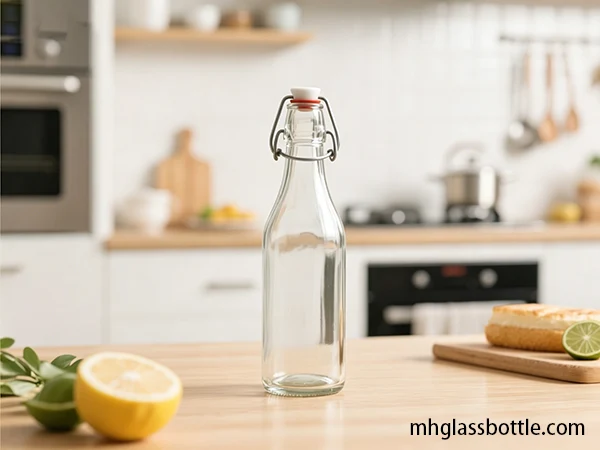
At What PSI Do 750ml Swing Top Glass Bottles Vent?
Most high-quality 750ml swing top glass bottles vent at:
• 60–85 PSI
This depends on:
• gasket softness
• bail tension
• sealing geometry
If venting does not occur within this range, the bottle becomes unsafe under pressure.
At What PSI Do 750ml Swing Top Glass Bottles Break?
Typical failure occurs between:
• 150–200 PSI
However, real-world failure may occur earlier due to:
• micro-cracks
• poor annealing
• surface scratches
• thermal shock damage
This is why safety margins are critical.
Why Is 304 Stainless Steel Required For Swing Top Bails?
304 stainless steel provides:
• high tensile strength
• corrosion resistance
• long-term elasticity
Compared to galvanized wire, it:
• resists rust
• maintains tension over multiple uses
• ensures consistent sealing performance
For reusable 750ml swing top glass bottles, this is essential.
How Does Gasket Venting Actually Work?
When internal pressure exceeds sealing force:
• the gasket lifts slightly
• gas escapes
• pressure stabilizes
This prevents catastrophic failure.
Without proper venting:
• pressure continues rising
• glass absorbs the stress
• rupture occurs
How Can Buyers Verify PSI Performance?
Request:
• IPR (Internal Pressure Resistance) test reports
• batch-specific pressure testing data
• controlled destruction test results
Reliable manufacturers test bottles to failure thresholds and provide documentation.
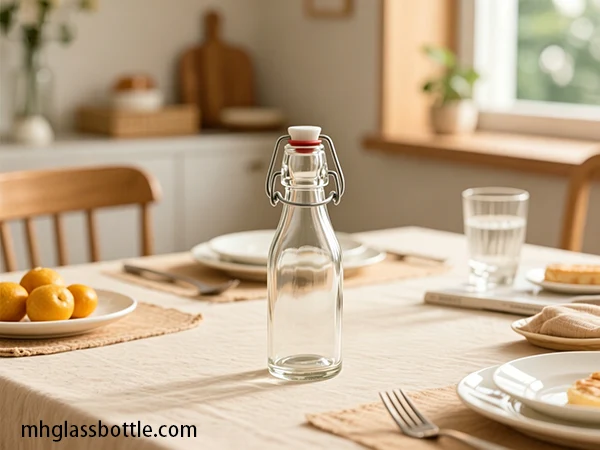
Do Reused Bottles Have Lower Pressure Resistance?
Yes.
Over time:
• gaskets harden or deform
• wire bails lose tension
• micro-damage accumulates in glass
This reduces:
• venting reliability
• pressure tolerance
Reused 750ml swing top glass bottles should be re-evaluated periodically.
How Does Thermal Shock Affect Pressure Resistance?
Thermal shock weakens glass structure.
Rapid temperature changes create:
• internal stress
• micro-fractures
This reduces maximum PSI tolerance and increases the risk of sudden failure under carbonation pressure.
Final Thought: Pressure Data is Not Optional
Here is the reality.
If your supplier cannot tell you:
• when the gasket vents
• when the glass fails
• how the bottle performs under pressure
They are not engineering 750ml swing top glass bottles.
They are guessing.
And in a high-pressure system, guessing is expensive.
Demand the data.
Or prepare to pay for the failure.
You have not enough Humanizer words left. Upgrade your Surfer plan.
Table of Contents
- The Hidden Physics Inside 750ml Swing Top Glass Bottles
- PSI Thresholds: Venting vs. Catastrophic Failure
- Why Some Glass Bottles “Burp” And Others Explode
- The Overlooked Risk: Bail Fatigue Over Time
- Hot-fill And Vacuum Stress: The Silent Failure Mode
- Why “Standard Food Grade” Means Nothing
- What B2B Buyers Must Demand
-
Expanded FAQ: Technical Audit for 750ml Swing Top Glass Bottles
- At What PSI Do 750ml Swing Top Glass Bottles Vent?
- At What PSI Do 750ml Swing Top Glass Bottles Break?
- Why Is 304 Stainless Steel Required For Swing Top Bails?
- How Does Gasket Venting Actually Work?
- How Can Buyers Verify PSI Performance?
- Do Reused Bottles Have Lower Pressure Resistance?
- How Does Thermal Shock Affect Pressure Resistance?
- Final Thought: Pressure Data is Not Optional
 ONLINE