EN
EN AR
AR BG
BG HR
HR CS
CS DA
DA NL
NL FI
FI FR
FR DE
DE EL
EL HI
HI IT
IT JA
JA KO
KO NO
NO PL
PL PT
PT RO
RO RU
RU ES
ES SV
SV TL
TL IW
IW ID
ID LV
LV LT
LT SR
SR SK
SK SL
SL UK
UK VI
VI HU
HU TH
TH TR
TR FA
FA GA
GA LA
LA MI
MI MN
MN

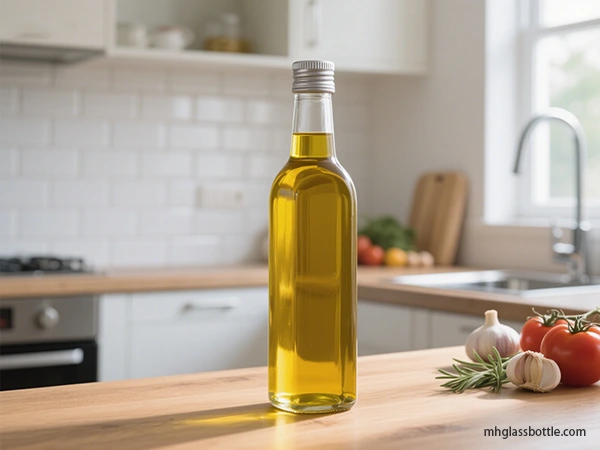
Glass bottles, a packaging shape both historic and present day, preserve an irreplaceable role in diverse industries, such as meals and beverage, prescription drugs, and cosmetics, way to their fantastic inertness, transparency, and recyclability. For B2B wholesalers, a deep expertise of the glass bottle manufacturing manner not most effective presents perception into the supply of product first-rate but also facilitates determine the resilience and sustainability of the supply chain. This report will manual you via the whole adventure of glass bottles from raw materials to finished product, revealing the science and art behind them and imparting insights into future improvement traits.
How to Make Glass Bottles
Industry Size and Market Characteristics
The global glass bottle packaging market is showing a steady growth trend, and the market size is expected to reach US$115.3 billion by 2034, with a compound annual growth rate of approximately 4.4%. The "bottle" phase debts for over 61.1% of the market. The beverage industry, as the biggest give up-consumer, holds approximately 64% of the worldwide market proportion. The pharmaceutical region is also experiencing robust increase, with a projected market size of US$31 billion by 2034.
Glass Types and Applications
- Soda-lime glass: Dominates (expected to reach forty four.8% in 2025), is value-effective, and is broadly utilized in food and beverage packaging.
- Borosilicate glass: Offers fantastic warmness resistance and chemical balance, in the main used in pharmaceutical and laboratory boxes.
- Recycled glass (Cullet): Accounts for 20%-90% of contemporary manufacturing and is a key aspect of sustainable improvement.
Major international manufacturers encompass O-I Glass, Ardagh Group, and Gerresheimer. European and American markets lead because of strict environmental policies, even as the Asia-Pacific region is the quickest-developing vicinity due to developing consumption.
Glass Chemistry and Raw Material Selection
Core Chemical Composition
Typical Soda-Lime Glass Formula:
- Silicon Dioxide (SiO₂): 70-74%, paperwork the primary skeleton of glass and offers structural power.
- Sodium Carbonate (Na₂CO₃): 12-sixteen%, acts as a flux to lower the melting temperature and decrease energy intake.
- Limestone (CaCO₃): 10-12%, affords calcium oxide, complements hardness and chemical balance.
- Additives: Aluminum oxide complements power, magnesium oxide improves chemical stability, and small amounts of colorants (including iron oxide and chromium oxide) are used to alter coloration.
Raw Material Selection Criteria
- Silica Sand: High purity is required; low iron content material is prime to generating clear glass.
- Soda Ash: Its content material directly affects the melting factor and viscosity of glass.
- Limestone: Provides calcium and enhances corrosion resistance.
- Cullet: Indispensable for current production, particle length ought to be controlled between 10-forty mm to avoid impurities which includes ceramics and metals.
The Significant Value of Recycled Glass
- Energy Savings: Every 10% boom in cullet reduces furnace electricity intake. 2.Five-3%, one hundred% cullet can lessen the melting temperature with the aid of approximately 50°C.
- Environmental Benefits: Reduced CO2 emissions; each kilogram of cullet replaces 1.2 kilograms of virgin raw materials.
- Production Optimization: Extended furnace lifestyles by means of as much as 30%, decreasing production prices.
Batch Preparation and Glass Melting
Batch Preparation Process
Raw materials are exactly weighed and calmly mixed to shape "batches." Automated systems ensure correct mixing and avoid glass defects (including streaks and bubbles) because of choppy mixing. High homogeneity is crucial for the duration of the integration procedure to make sure a excessive degree of homogeneity, laying the inspiration for subsequent melting.
Core Glass Melting Process
Batch materials are fed into a high-temperature furnace where, at temperatures among 1100°C and 1700°C, they undergo physical and chemical reactions to convert into molten glass. This technique money owed for eighty% of overall energy intake. Melting exceptional at once determines the purity and homogeneity of the glass and is a essential step in producing extremely good glass bottles.
Furnace Technology and Energy Efficiency
- Regenerative Furnace: A traditional kind that uses exhaust gasoline recuperation to preheat air, but still achieves exhaust temperatures exceeding 500°C.
- Oxyfuel Furnace: Utilizes pure oxygen combustion, resulting in fuel savings of 15-20%, a 30% discount in CO2 emissions, a 70-90% discount in NOx emissions, and a 30-40% reduction in capital expenses.
- Hybrid Furnace: Combining electricity with conventional fuels, it could make use of 80% renewable energy and reduce emissions via approximately 60%.
- All-Electric Melting: A low-carbon era, restricted with the aid of production scale (most 200 lots/day).
Waste Heat Recovery System
Recovering warmness from high-temperature exhaust gases for energy technology or process heating. Air-to-water (ATW) structures can preheat oxygen to 550°C and natural gas to 450°C, further lowering gasoline consumption and carbon emissions by 10-12%. Combining oxyfuel combustion can reduce emissions by an additional 30%.
How to Form Glass Bottles Industrially
IS Machines and Forming Principles
The Individual Segment (IS) machine is the core of mass production. It consists of multiple independent forming stations that transform molten glass "gobs" into bottle bodies. The main molding methods include:
Blow-and-Blow (B&B)
Process: Material is dropped into the primary mold → Air is blown to form the primary mold → Transfer to the final mold for a second blow molding
Features: Suitable for thick-walled, narrow-mouth bottles, with minimal contact between the glass and the mold
Press-and-Blow (P&B)
- Process: Material is dropped into the mold → Plunger compresses the primary mold → Transfer to the final mold for air blowing
- Features: Suitable for wide-mouth containers, requiring ample operating space for the plunger
Narrow-Neck Press-and-Blow (NNPB)
- Principle: A thin plunger controls the narrow-mouth primary mold for precise glass distribution
- Advantages: Lightweight (up to 33% weight reduction), uniform glass distribution, and high production efficiency
- Application: Mainstream narrow-mouth bottle production process, approximately 14% lighter than traditional methods while meeting strength standards
Mold Technology and Quality Control
- Plunger material: Impacts molding stability; improper selection can lead to downtime and quality issues
- Mold maintenance: Requires professional personnel to avoid damage to the mold assembly due to improper maintenance
- Process monitoring: Emhart Glass's PPC system visualizes the initial mold formation in real time, precisely controlling gob weight.
Molding Technology Trends
- Servo-electric drives: Improve the automation and productiveness of IS machines
- AI and IoT integration: Enable predictive renovation and actual-time monitoring
- Machine imaginative and prescient inspection: High-precision disorder detection, with speeds exceeding three hundred bottles according to minute
- Lightweight optimization: Improve glass distribution and reduce material usage via the NNPB system
Handcrafted Glass Bottle Molding Techniques
Traditional Molding Methods
- Free-blowing: Artisans manually shape the glass using a blowpipe, resulting in each piece being unique.
- Mold-blowing: Blowing into prefabricated molds to obtain a specific shape, balancing artistry and consistency.
- Lamp-blowing: Using a torch to soften glass rods to create sensitive components, appropriate for small ornamental bottles.
Key Tools and Equipment
These include blowpipes, glass tongs, wood paddles, glory holes (heating chambers), and annealing furnaces. The annealing furnace is used to slowly cool the finished product to remove internal stress and save you cracking. 5.Three Decorative Processes and Market Positioning
- Color Technology: Use pigments, color sticks, and mineral additives to attain rich color results
- Surface Treatment: Etching, display screen printing, hot stamping, UV printing, and other tactics decorate texture
- Market Direction: Serving area of interest markets including excessive-quit spirits and custom perfumes, achieving differentiation through constrained variations and customization
Annealing and Post-Processing
Annealing Process Principles
Newly formed glass bottles generate internal pressure due to exclusive cooling fees inside and outside. They undergo the subsequent in an annealing furnace:
- Heating above the strain factor (below the softening point)
- Maintaining the temperature to loosen up the strain
- Slow, managed cooling to save you the generation of new stresses
Annealing extensively improves the mechanical electricity, thermal shock resistance, and sturdiness of the glass bottle, ensuring it's miles resistant to breakage during subsequent use.
Surface Coating Technology
Hot End Coating (HEC)
- Application: After molding, at 450-600°C
- Ingredients: Tin oxide (SnO₂), deposited by using CVD
- Thickness: 10-50 nm, superior 35 CTU (about 10 nm)
- Function: Seals microcracks, complements strength, and gives a base for bloodless give up coatings
Cold End Coating (CEC)
- Application: After annealing, at eighty-150°C
- Ingredients: Organic polymers together with polyethylene wax and polyethylene glycol
- Application: Spray-deposited 1% aqueous answer, approximately 50 nm thick
- Function: Improves lubricity, enabling production line speeds of as much as 700 bottles per minute, and complements scratch resistance
Coating Technology Development and Standardization
- New Coatings: Silane remedy for greater adhesion, silica coating for improved effect resistance, and plasma coating for pharmaceutical bottles
- Regulatory Requirements: Compliant with meals contact requirements (US 21 CFR Part eleven.1). One hundred seventy-199, EU REACH, and so forth.) to make certain protection.
Quality Assurance and Testing System
Full-Process Quality Control
- Raw Material Inspection: Chemical composition and physical assets testing
- Melt Monitoring: Real-time tracking of temperature, viscosity, and uniformity
- Molding Control: Precise manipulate of parameters including gob weight and blow pressure
- Annealing Verification: Temperature profile and cooling charge meet requirements
Automated Optical Inspection (AOI)
- Core Technology: High-resolution digicam + AI algorithm for actual-time illness detection
- Detection Range: Cracks, bubbles, dimensional deviation, surface scratches, and so on.
- Performance: Speed of three hundred+ bottles/minute, identity of zero.1mm defects, 99.7% accuracy
- AI Advantages: Reduces fake positives resulting from reflections, adapts to distinct bottle shapes and lighting situations
Other Key Inspection Technologies
- Pressure Testing: Verifies resistance to internal strain (e.G., carbonated beverage bottles)
- Thermal Shock Testing: Assess stability under rapid temperature fluctuations
- Chemical Resistance Testing: Targeted for pharmaceutical and meals-grade applications
- Online Spectroscopic Analysis: Near-infrared generation for real-time composition verification
System Integration and Traceability
Modular layout enables manufacturing line integration, AI-powered predictive upkeep reduces downtime, and a records management gadget creates a traceable report for every product, facilitating first-class issue evaluation and improvement.
Bottle Design and Customization
Design and Manufacturing Integration (DFM)
Iterative optimization achieves a balance among layout and manufacturing. Finite Element Analysis (FEA) simulates stress distribution, decreasing layout cycles from weeks to hours. This streamlines design, lowers costs, and decreases mistakes.
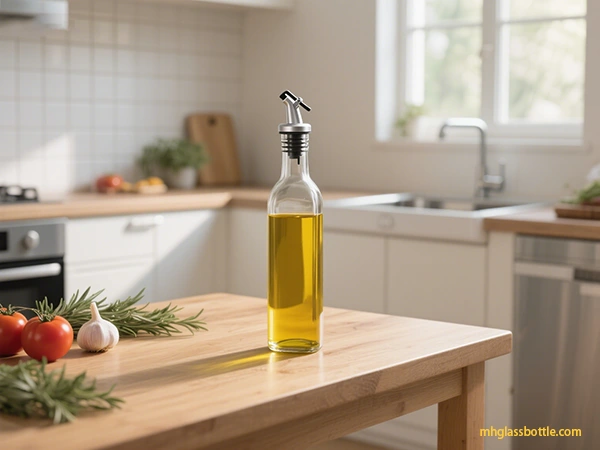
Key Design Elements
- Bottle Finish Design: Comply with GPI/SPI standards (400, 410, etc.) to ensure compatibility with bottle caps and meet purposeful requirements including sealing and anti-robbery.
- Bottle Shape: Balance aesthetics and capability, thinking about grip and balance.
- Bottom Design: Impacts structural integrity. A flat backside design affords appropriate stability. FEA optimizes pressure-bearing ability.
- Lightweighting: Reduce weight while maintaining overall performance, balancing cloth intake and production balance.
Brand Elements and Prototyping
- Labeling Area: Reserve a flat floor to deal with various labeling technologies.
- Brand Logo: Embossing/engraving must comply with Design for Material (DFM) concepts.
- Prototype Testing: Rapidly create prototypes the use of 3-d printing to confirm dimensional, practical, and aesthetic consequences.
Sustainability and Future Outlook
Recycling System and Environmental Benefits
Glass may be recycled infinitely, and recycling offers great advantages:
- Energy Savings: Melting cullet makes use of 30% less energy than virgin material.
- Emission Reductions: Every 10% of cullet reduces CO2 emissions by using 5%.
- Circular Economy: Reusable glass bottles may be recycled ad infinitum. Break-even is performed with 2-3 uses, reducing emissions by using over 35%.
Emission Reduction Technologies and Innovation Directions
- Carbon Capture: Technologies inclusive of C-Capture capture carbon dioxide from flue gas.
- Alternative Fuels: Exploring the application of hydrogen and biomass fuels.
- 3D Printed Molds: Reduce lead times, enable complex designs, and make use of excessive-temperature resistant materials (which include PEEK and ceramics).
- AI Applications: Optimize best manipulate and predictive maintenance.
- Localized Production: Reduce transportation distances and supply chain dangers.
Through technological innovation and sustainable practices, the glass bottle industry is progressing toward carbon neutrality, persevering with to fulfill global market demand as an environmentally pleasant and efficient packaging answer. Understanding the complete method of creating glass bottles can assist B2B clients higher investigate supply chain fee and product great.
Table of Contents
- How to Make Glass Bottles
- Glass Chemistry and Raw Material Selection
- Batch Preparation and Glass Melting
- How to Form Glass Bottles Industrially
- Handcrafted Glass Bottle Molding Techniques
- Annealing and Post-Processing
- Quality Assurance and Testing System
- Bottle Design and Customization
- Sustainability and Future Outlook