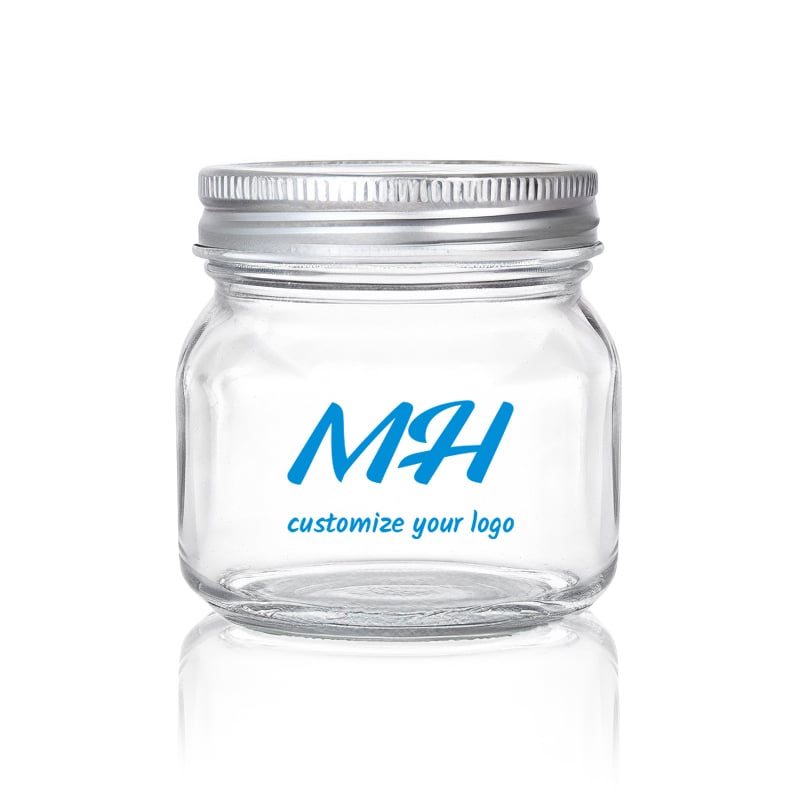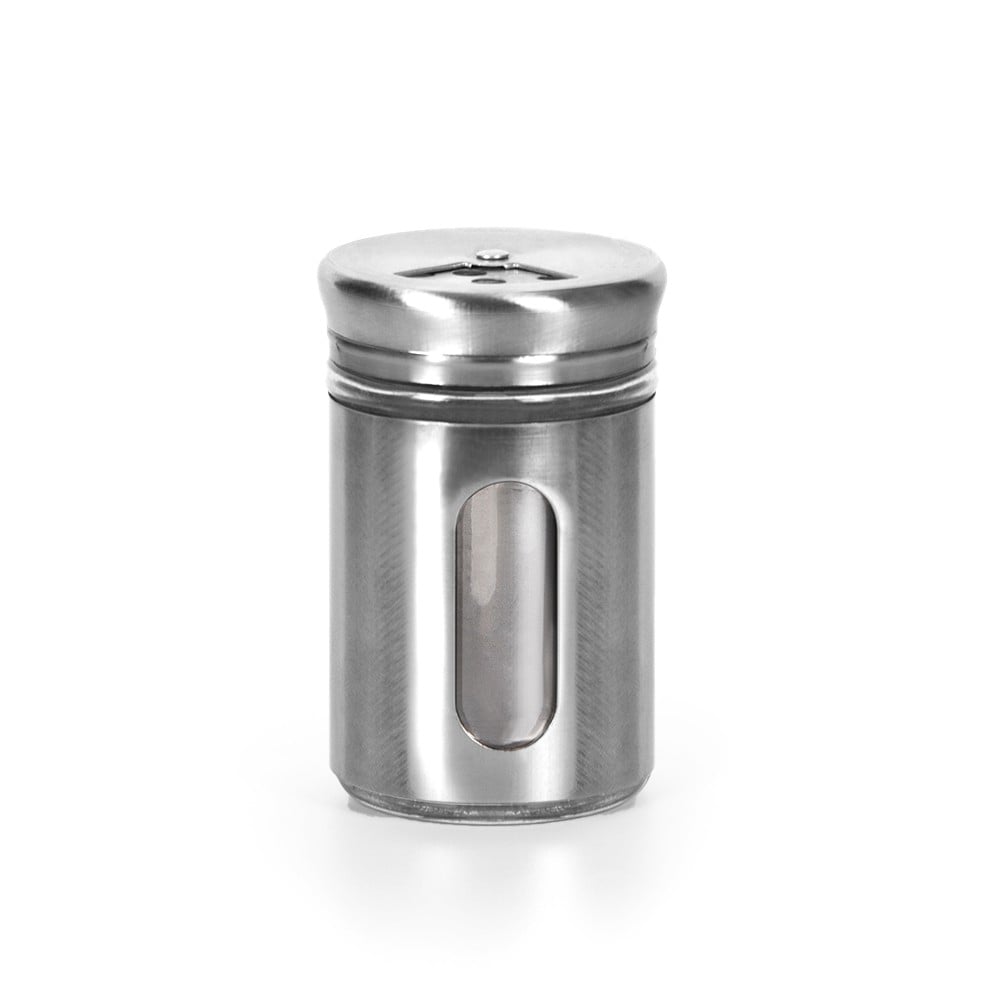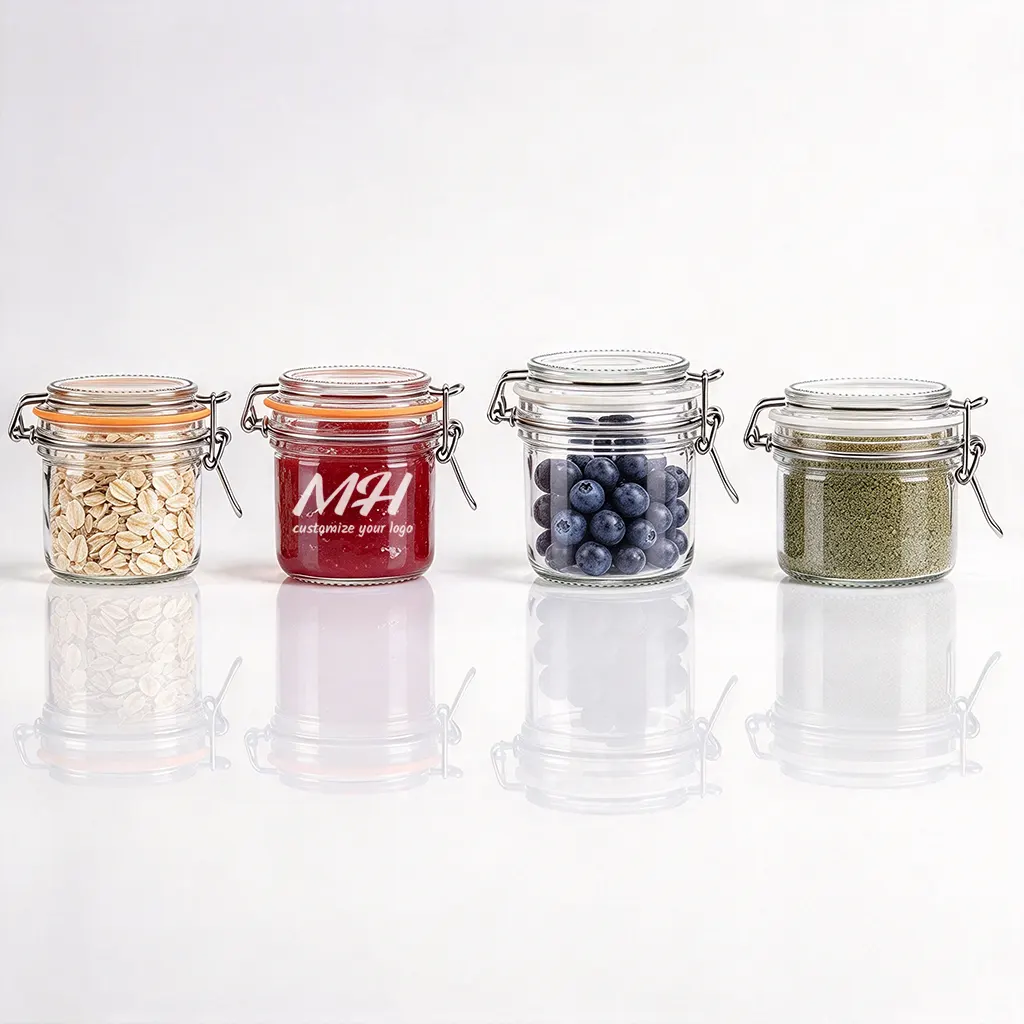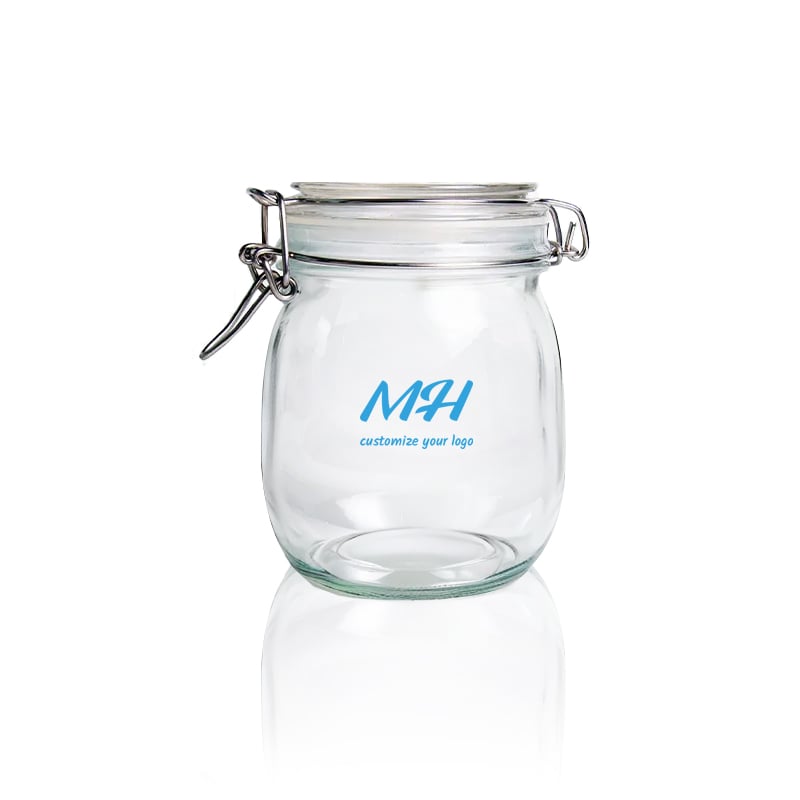
The wholesale landscape for small spice grinders is dynamic and ever-growing for companies in a variety of sectors. As food manufacturers, specialty retailers, restaurants, catering businesses, e-commerce, and promotional businesses increasingly demand affordable, productive, dependable, and quality goods processing and grinding, small spice grinders represent more than a kitchen appliance; they represent a small commercial equipment need for businesses seeking accuracy, dependability, quality and efficiency. This guide provides interested B2B participants with an overview of the wholesale market with actionable information about product definition, applicable industries, buying, supplier assessment, custom orders, global sourcing and trade considerations and current trends. Interested businesses can use this information to determine how to find the most effective small spice grinder to meet operational needs and commercial targets.
B2B Spice Grinder Defined as "Small"
A spice grinder classified as "small" in the B2B context is based primarily on batch capacity, processing volume and application. Small spice grinders, unlike their industrial counterparts, do not focus on throughput; small spice grinders provide focused, detailed and precision management of specific culinary commercial needs.
Batch Capacity
Small spice grinders typically have batch capacity between 60 grams and 500 grams; commonly found within the format for restaurant quantities, artisanal food producers, specialty manufacturers, etc.
Grind Fineness
These grinders produce textures from coarse to fine powder with common grind sizes between 12–80 mesh, thus allowing for a variety of culinary uses.
Electric Capacity
Most small commercial electric grinders can process 1–3 cups per cycle, creating a balance between convenience and accuracy.
Industrial Comparison
While industrial grinders can process materials at rates of 10–1000 kilograms per hour, the goal of a small mixer grinder is to produce a consistent quality between batches, maintain flavor intensity, and allow for further production application. If B2B buyers can understand the differences between small and larger commercial equipment, they can select quality equipment for a desired production volume, production unit quality requirements, and operational effectiveness.
Key Industries Using Small Spice Grinders
Food Manufacturers
Spice manufacturers that create blends, seasonings, sauces and ready to use food products use grinders as equipment to achieve a consistent particle size of spices while also maintaining the intensity of the flavor. For custom blends and small batch production these companies would be relying on mixers and grinder.

Foodservice & Hospitality
Restaurants, catering companies and hotels are leveraging small spice grinders to produce fresh spices more frequently and improve quality and presentation of their dishes. Chef’s regular use of adjustable grind settings to meet culinary applications.
Specialty Retailers & Specialty Stores
Retailers are increasingly stocking these grinders to sell to consumers as the grinders provide fresh spices. Companies are largely looking for small spice grinders that have an appeal to the eye and combine form with function.
E-commerce & Online Retailers
The rise of e-commerce has also sparked online retailers having small spice grinders as part of their kitchen gadget offerings, which largely cater to the rise in retail sales of cook-at-home and artisanal food preparation products.
Promotional Companies & Event Planners
Small spice grinders have proven to be a popularly branded corporate gift or giveaway (especially from event planners), and it is demonstrated use can be outside of culinary applications. The demand is dictated by freshness, quality, convenience, and increasing consumer interests towards organic, locally grown, and sustainable spices.
Types and Functionalities of Small Spice Grinders
The small spice grinder market currently includes various types which can be categorized by the power source, the grinding mechanism and the materials used:
Power Source
- Manual Grinders: Manual grinders are handheld and heavy duty; they give a tactile feel allowing for easy control for low volume or artisanal applications.
- Electric Grinders: Electric grinders are faster, consistent and offer convenience; some charge via USB and/or operate on battery power.
Grinding Mechanisms
- Blade Grinders: Blade grinders are affordable and flexible but they tend to grind unevenly and create heat that would alter the spices in delicate areas.
- Burr Grinders: Burr grinders provide a uniform grind size from the abrasive surfaces providing consistency for your spice application and preserving flavor.
Material Use
- Stainless Steel: Sturdy, rust-resistant, and simple to maintain; hygienic.
- Ceramic: Durable with good edge retention, does not impart metallic flavor.
- Plastic / Acrylic: Where used to make housing and/or containers; must be food-grade & BPA-free.
Size & Power Considerations
Most small spice grinders have a batch size between 1 - 500 grams. The power of the motor is usually between 50 - 300 watts. Higher-end products offer adjustable grind sizes, detachable bowls, and possibilities for smart applications such as app integration and automatic programming.
Buying Considerations
When looking to purchase spice grinders in bulk, B2B buyers should consider the following:
Pricing & Volume Pricing
Most manufacturers have a tiered pricing system, which reduces the unit price at bulk quantities.

Minimum Order Quantities
MOQs are common but can often be negotiated, especially if they want to establish a long-term relationship with the supplier and/or want to initiate a custom order.
Certifications
Check that the products and the manufacturing operations follow the regulatory guidelines: NSF/ANSI 8, ISO standards, CE, UL to ensure that B2B buyers are supplying safe and reliable products.
Durability & Construction Quality
Strong materials, quality burrs/blades, and strong motors are essential.
Maintenance & Cleaning
Parts that are dishwasher-safe, a non-ambiguous design for cleaning and replacing parts, and availability of spare parts improve the operations efficiency.
Lifespan
In general, motors and mechanisms will last 5–10 years if well maintained; premium small spice grinders will often last for longer.
Supplier Vetting and Partnership Options
Choosing a Reliable Supplier
- Due Diligence: Consider the supplier's financial situation, manufacturing abilities, and ISO-certified quality management system.
- Factory Audits: You may want to understand how the supplier runs their manufacturing processes and whether they have a quality control process. You should also be aware of employee's ethical stance for labor conditions.
- Communication and Dependability: Being able to communicate clearly; understanding your lead times and their expectations in delay; are better situations for being able to run your supply chain efficiently.
- Long-term Relationships: Your supplier can make more of an investment in you with a long-term relationship to provide pricing, product availability, and room for ongoing improvement.
- Metrics and Performance: Suppliers should routinely provide information on how they operate, particularly to have a performance measure from a suppliers' perspective. Key metrics involve, on-time deliveries, defect rates and accuracy of orders.
- Codes of Conduct: Suppliers codes of conduct should include labor practices, commitments for environmental responsibility, and statutory commitments.
Customizing, Branding, and OEM Options
B2B buyers will typically have opportunities to leverage small spice grinders for branding purposes:
Private Labeling
If you need to add your own logos, packaging, and/or branding to the grinders, that's private labeling.
Custom Designs
You can customize capacity, motor power, grind fineness, and look.
OEM Collaboration
You can develop fully customized grinders, everything from some small modifications to creating a brand-new design.
Intellectual Property Protection
Contracts should clearly state who owns any designs and branding. Customization gives business a unique product offering, adds value to your product and increases the margin.

Logistics, Distribution, and Global Sourcing
Risk Management
Global sourcing has benefits, and other potential risks: supply chain disruption, customs delays and quality inconsistent product are some of the risks involved.
Mitigation Strategies
Some strategies to try and mitigate these challenges are: use more than one supplier, use 3PL (third-party logistics) providers, and looking into automating your trade compliance.
Import/Export Compliance
Getting HS codes, duties and tariffs, product safety compliance (e.g. FCC on electronics).
Transit Insurance
Prevents loss or damage to your goods during international shipping.
Regional Considerations
Can the regions you are sourcing from support dependable logistics (Asia, Europe, North America)?
Market Evolution and New Trends
Smart Technology
Digital controls, programmable settings and app integration to enable smart features.
Sustainable Materials
Use of biocomposite plastic, recycled plastics, bamboo, and antimicrobial coatings.
Ergonomic & Modular Design
Facilitates cleaning, maintenance, and adaptability for consumer preferences.
Portable & Rechargeable Designs
For convenience-focused consumers.
Energy Efficiency & Certifications
Growing focus on Energy Star, NSF and environmentally focused manufacturing.
Customization Demand
Increased demand for individuality, precision, and high-performance grinding solutions.
Demonstrating Thought Leadership
Content
Guides, case studies, white papers and comparison articles all help to educate B2B buyers.
Digital Engagement
Video content, webinars and blogs help to build credibility and showcase expertise and insights into supplier's products.
Data Utilization
AI content planning tools and market data enhance suppliers' content strategy.
Customer Trust
Reliable digital materials, information and actionable insights will increase customer loyalty and help suppliers as industry operators.

Conclusion
In summary, the wholesale small spice grinder market presents a wide range of opportunities for strategic sourcing, procurement, and innovation. By reviewing product specifications, identifying target industries, sourcing methods, supplier assessment, logistics, and emerging trends, B2B buyers can enhance operational capacity, improve product quality, and increase market success. To remain competitive, manufacturers and branders should focus on high-quality equipment, integrate smart technology, use sustainable materials, and allow for customization. The market for small spice grinders is expected to grow further due to innovation, consumer demand for fresh products, and the expansion of food manufacturing, hospitality, retail, and promotional sectors. Organizations that invest in foresight, quality, branding, and strategic sourcing will be best positioned to capitalize on this expanding market.
Table of Contents
- B2B Spice Grinder Defined as "Small"
- Key Industries Using Small Spice Grinders
- Types and Functionalities of Small Spice Grinders
- Buying Considerations
- Supplier Vetting and Partnership Options
- Customizing, Branding, and OEM Options
- Logistics, Distribution, and Global Sourcing
- Market Evolution and New Trends
- Demonstrating Thought Leadership
- Conclusion
EN
AR
BG
HR
CS
DA
NL
FI
FR
DE
EL
HI
IT
JA
KO
NO
PL
PT
RO
RU
ES
SV
TL
IW
ID
LV
LT
SR
SK
SL
UK
VI
HU
TH
TR
FA
GA
LA
MI
MN