EN
EN AR
AR BG
BG HR
HR CS
CS DA
DA NL
NL FI
FI FR
FR DE
DE EL
EL HI
HI IT
IT JA
JA KO
KO NO
NO PL
PL PT
PT RO
RO RU
RU ES
ES SV
SV TL
TL IW
IW ID
ID LV
LV LT
LT SR
SR SK
SK SL
SL UK
UK VI
VI HU
HU TH
TH TR
TR FA
FA GA
GA LA
LA MI
MI MN
MN

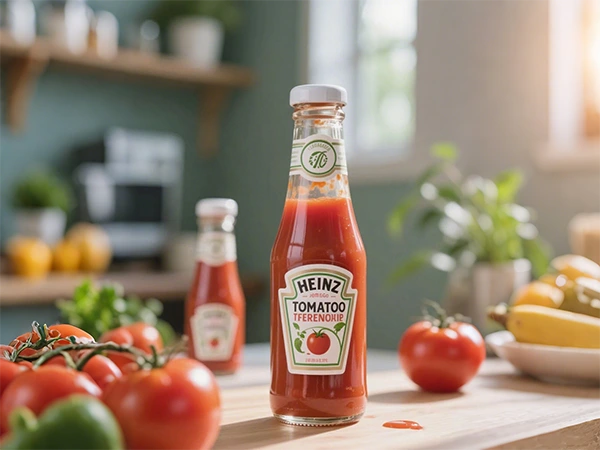
This report is to help us see whether it is reliable and cost-effective to use bulk glass bottles as the main packaging material. Glass packaging itself is an evergreen in many industries and has many advantages. The bulk glass bottles we are considering - that is, buying glass bottles in large quantities at one time, this account is particularly worthwhile in the long run: it can not only help us save a lot of money, make subsequent packaging production more worry-free (no need to worry about lack of bottles), but also reduce carbon emissions and waste, make good use of the recyclability of glass, and add a big point to our company's environmental image! Choose bulk glass bottles, the benefits are visible.
The core advantages of glass packaging
- The "safety cabin" that protects quality: The inert nature of glass is like an invisible barrier, ensuring that the aroma of coffee, the active ingredients of skin care products, and the stability of medicines are not affected, so that each product can reach consumers in the best condition.
- The "plus points" of appearance and texture: from streamlined bottles to frosted textures, from transparent primary colors to customized colors, the plasticity of glass bottles provides brands with unlimited creative space. Think about it, when consumers pick up a bottle of textured glass bottle products, the sense of luxury that is within reach is the best embodiment of brand premium.
- The "practitioner" of environmental protection concept: Glass can be 100% recycled without loss of quality, which means that every empty bottle can become the raw material of a new bottle. In Europe, up to 70% of glass is recycled and reused, and your brand can significantly reduce its carbon footprint by adopting a high proportion of recycled glass (such as 80% broken glass content), which meets the environmental protection requirements of ISO 14044 closed-loop system.
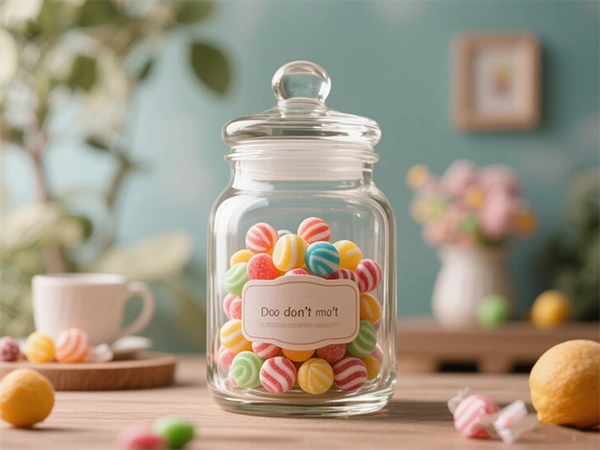
Economic Analysis of Bulk Purchasing
- "Scale dividend" of direct price reduction: When the purchase volume jumps from thousands to tens of thousands, the unit cost of glass bottles can be reduced by 15%-30%. This comes not only from the manufacturer's mass production discount, but also from your bargaining advantage with suppliers - just like wholesale fruit is cheaper than retail, large volume is the hard truth.
- "Efficiency revolution" in transportation and warehousing: Compared with scattered distribution, the transportation cost of a single bottle can be reduced by 40% by full truck transportation; and the standardized pallet stacking method can increase the utilization rate of warehouse space by 30%. With lightweight bottle design (such as thin wall technology), material costs and transportation energy consumption can be further reduced.
- "Cost perspective" of the whole cycle: Although the initial purchase price of glass may be higher than that of plastic, considering "durability (reduced breakage) + consumer premium (willing to pay 10%-20% more for glass packaging) + recycling benefits", in the long run, the total cost of ownership (TCO) of bulk glass bottles is lower. Taking craft beer as an example, the use of highly recycled glass bottling can save 12% of packaging costs within 3 years.
Bulk glass bottles are highly consistent with your business goals
- Build a high-end brand: For products such as skin care products and wine that focus on texture, crystal clear bulk glass bottles are synonymous with "quality", allowing consumers to associate your products with high-end and pure at a glance.
- We need to speed up the way we protect the environment: Let us think about this: if we recycle half of the one million glass bottles we use every year we can cut down on carbon emissions by about 335 tons each year. If we also have a plan to reuse things this can really help reduce the impact, on the environment and easily help us meet our environmental goals, like the ESG goals. The environmental protection process and the ESG goals are very important so let us focus on recycling glass and reusing things to achieve the ESG goals and protect the environment.
- Stabilize the supply chain: Choose suppliers within 300 kilometers to purchase bulk glass bottles, and the transportation cycle is shortened from 5 days to 2 days, with lower logistics risks. Just like during the epidemic, the supply chain disruption rate of companies that purchase regionally is 60% lower than that of cross-border purchases.
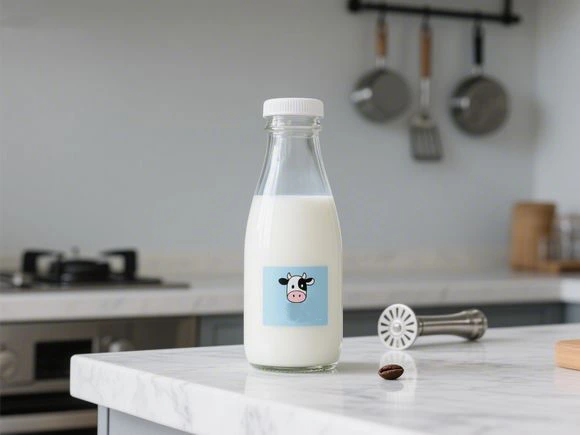
Possible challenges and solutions
In the process of switching to bulk glass bottle packaging, some challenges are inevitable. For example, the problem of transportation damage, usually about 5-8 bottles per 1,000 bottles are damaged, which will undoubtedly increase costs. However, as long as air suspension transport vehicles are used with EPE cushioning packaging, the damage rate can be reduced to less than 1%.
Insufficient storage space is also a common problem. Large-volume procurement often requires an increase in storage area by 50%. At this time, the introduction of three-dimensional shelves and the use of intelligent inventory management systems (such as WMS) can increase the utilization rate of storage space by 60%.
In terms of production line adaptation, if the filling equipment does not match, adjustments may be required. You can work with suppliers to adopt a "turnkey" transformation solution, such as adding a dedicated conveyor track for glass bottles, so that the production line can seamlessly connect to the new packaging.
There is also the problem of glass frost (Bloom). Temperature and humidity fluctuations can easily cause the bottle body to become turbid. As long as a constant temperature and humidity system is installed in the storage area and the humidity is controlled at 45%-55%, this situation can be effectively avoided.
Panorama of sustainability
Glass is a special material because it can be used over and over. The things we need to make glass are found in nature like quartz sand and soda ash. When we use glass to make new glass it helps a lot because it saves energy. This is a deal because it can save thirty percent of the energy we use to make new glass.
Now lets talk about glass bottles. They are heavier than paper boxes so they are not as good for the earth in some ways.. Glass bottles are still better for the earth than plastic packaging that we throw away. This is true when we recycle a lot of our glass like eighty percent of it. So glass is a choice when we can reuse it and recycle it a lot. Glass is really good for the earth because it can be used from the beginning to the end. Then it can be used again which is what we mean by closed loop, from cradle to cradle.
The "overlapping value" of reuse: a glass bottle that can be reused 10 times has a single carbon footprint of only 1/5 of that of a disposable bottle. Through the "deposit recycling system", the German beer industry has achieved an average of 25 reuses of beer bottles, reducing carbon emissions by 1.5 million tons per year.
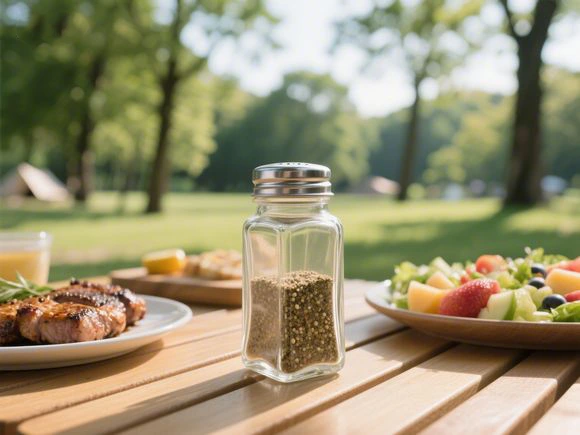
Suggestions for your implementation
- Cost estimation first: Use the TCO model to compare existing packaging solutions (such as plastic bottles vs. bulk glass bottles), focusing on the full-cycle cost difference of "purchase price + transportation + damage + recycling income".
- Supply chain pilot: First select 1-2 product lines for small-batch trial operation (such as 50,000 bottles), test the adaptability of warehousing, transportation, and production lines, and then promote them comprehensively after accumulating data.
- In-depth cooperation with suppliers: Prioritize partners like Minghang that have "large-scale supply + customized services + environmental certification" - they can not only provide one-stop support from bottle design to production line transformation, but also help you achieve more than 80% of the use of broken glass by integrating the recycling network.
- Brand communication empowerment: Incorporate the concept of "glass packaging = environmental protection + quality" into marketing, such as marking "this bottle can be recycled 100 times" on the bottle, or launching the "empty bottle recycling for points" campaign, so that environmental protection becomes the reason for consumers to choose you.
Conclusion
Driven by the dual trends of consumption upgrade and environmental protection, bulk glass bottles have long surpassed the definition of "packaging containers" and become the carrier of brand value and the practitioner of sustainable development. It can not only impress consumers with its texture and quality, but also reduce costs through large-scale procurement and recycling systems, and allow your company to seize the initiative in the ESG track. Now, contact us to start with a phone call or a sample test, and let Minghang start this packaging innovation journey that takes into account both commercial value and earth responsibility with you.
 ONLINE