Xuzhou Minghang Packaging Products Co., Ltd.

Home
Glass Jars
Glass Bottles
Food Storage
About
News
FAQ
Contact

Get a Free Quote

Our representative will contact you soon.
Email
Name
Company Name
Message
0/1000

Where to Buy Olive Oil Containers : A Complete B2B Guide

2025-08-26 17:57:20
Where to Buy Olive Oil Containers : A Complete B2B Guide

In the dynamic global olive oil market, where development is inspired by factors such as brand perception, product quality and stability, the correct packaging is important. Olive oil containers play an important role in this equation. This guide is designed to help B2B entities source  effectively.

Define Your Specific Olive Oil Glass Ontainer Requirements

Glass type/color

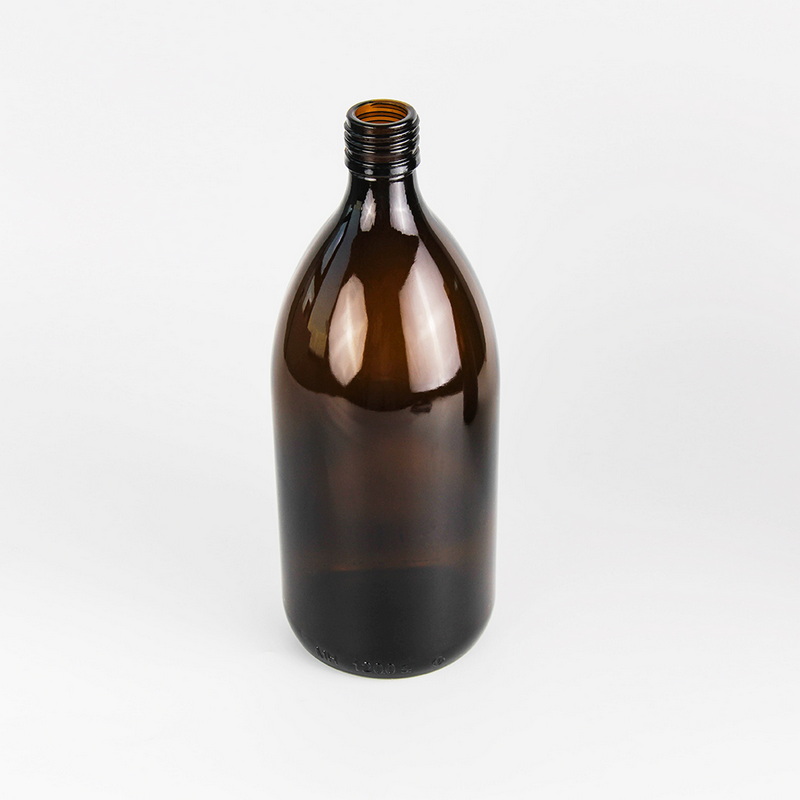
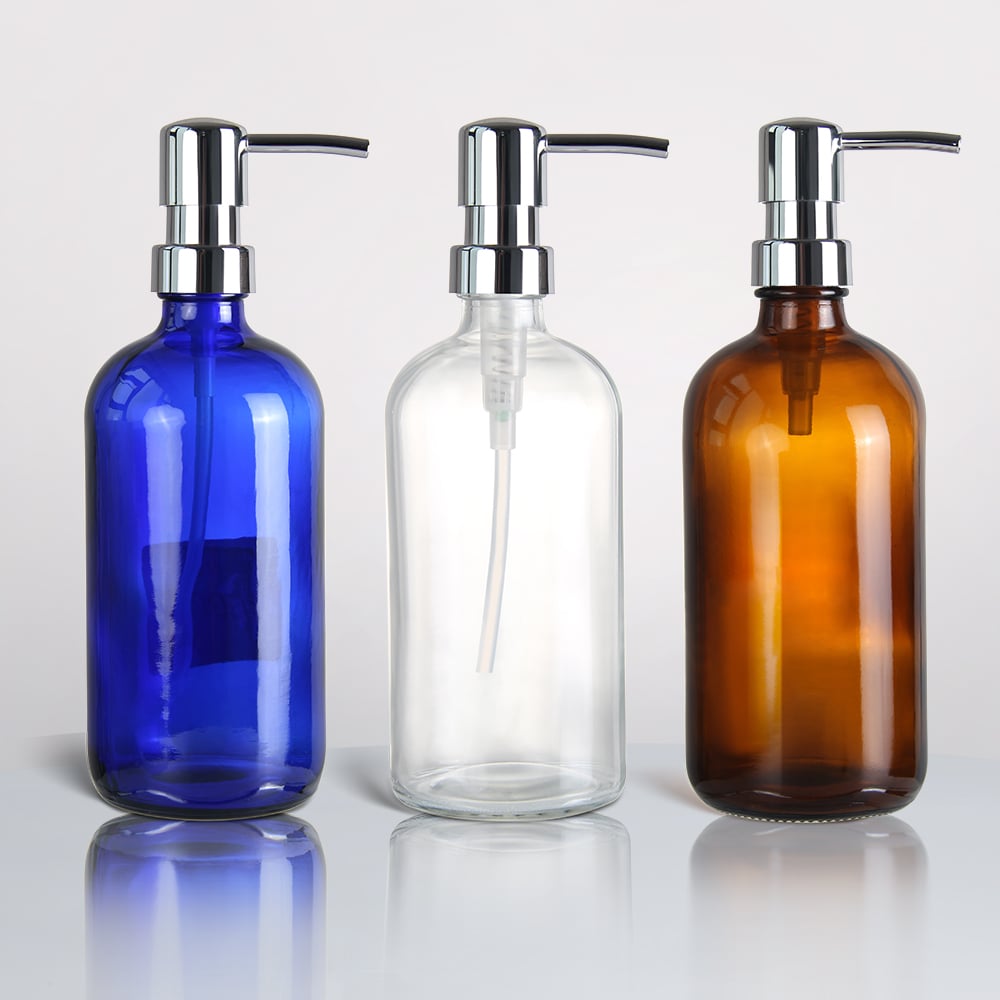
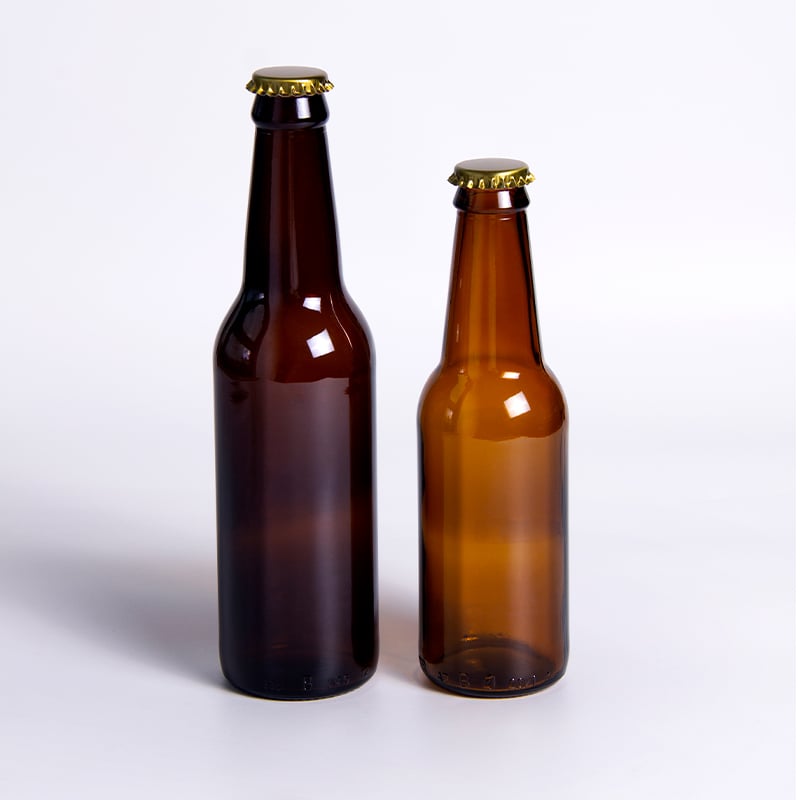
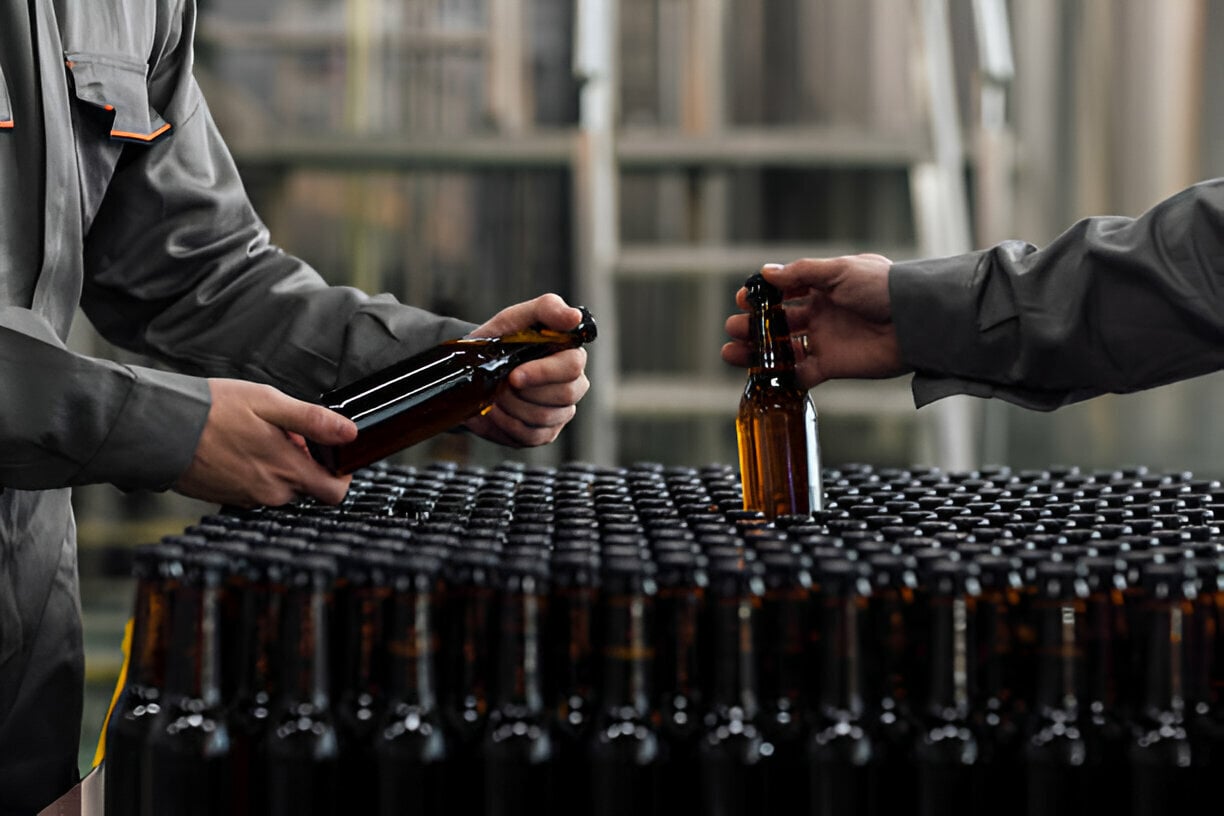
When it comes to olive oil glass containers, the type and color of glass is a great deal. Dark glass, such as amber, green, brown or black, is necessary. Why? Because it provides UV protection. Olive oil is sensitive to light, and exposure to UV rays can lead to oxidation, which spoils the quality of the oil. The clear glass may look good, but it is not suitable for prolonged storage of olive oil. Therefore, if you want to keep your olive oil in the top position, always choose the option of dark -colored glass containers. Some olive oil containers, such as the people of Minghang, are known for their excellent UV -resistant dark glass, ensuring that the freshness of the oil is maintained.

Size

Common shapes are available in the market for olive oil containers. Marska, which is square -shaped, and dorica, are a cylindrical, popular option. These figures are not only functional, but also aesthetically pleasing. However, if you want to stand out in the market, you can consider custom design. But keep in mind that custom design usually comes with high cost and long -term lead time. This is a business - between uniqueness and cost - between efficiency. Minghang olive oil bottles offer a series of both common and custom options, allowing businesses to find the right fit for their brands.

Quantity

The amount of glass container you selected you selected is important. This determines the minimum order volume (MOQ) prescribed by suppliers. Generally, large - volume containers may reduce the cost per unit, but you need to ensure that you can sell that volume. Small - volume containers may be more suitable for niche markets or for water testing. There are different MOQ requirements based on the amount of different suppliers, so it is important to find out your quantity needs before contacting them. Minghang olive oil containers are available in a variety of volumes, which provide flexibility to businesses with different demands.

Closure

Olive oil containers come in different types closed. Screw caps are convenient and easy to use. Cork gives a more traditional look and can be a good option for high -end products. There are also special glory sputors that make oil easier and more control. If you are worried about tampering, a non -refillable cap can be a great option. It is important to ensure that the closure you have chosen is compatible with the container. There are industries like GPI/SPI that can help you. Minghang provides a variety of closure options for its olive oil containers, which ensures compatibility and functionality.

Adaptation

Adaptation is a great way to make your olive oil brand out. You can get branding, labeling and design services for your olive oil containers. This may include printing your logo, adding unique design or choosing specific colors. Many suppliers offer these services, allowing you to create a container that is actually representative of your brand. For example, Minghang provides extensive adaptation options for its olive oil containers, helping businesses to create a strong brand identity.

Where to Buy Olive Oil Glass Containers : A Complete B2B Guide

Order Free Samples

Important Certificate and Stability Idea for Olive Oil Containers

Food - Grade Compliance

Food - Grade compliance should be a complete when it comes to olive oil containers. You need to ensure that the containers meet the rules such as FDA requirements in the United States and the European Union Food Section Material Rules. Announcement of compliance and adherence to good manufacturing practices (GMP) is also important. This ensures that glass containers are safe to store edible products such as olive oil. Minghang olive oil bottles are considered excessive for their strict food - grade compliance gives businesses peace of mind.

organic compatibility

If you are working with organic olive oil, your glass containers need to be compatible with organic standards. Standards such as USDA Organic and EU Organic have specific requirements that containers must meet. This ensures that the integrity of the organic product is maintained. Minghang's olive oil containers are designed to meet these organic compatibility standards, making them a great choice for biological olive oil producers.

Quality/Environmental Standards

Olive oil container suppliers seek quality and environmental standards such as ISO 9001 for quality management, ISO 14001 for environmental management, and ISO for Food Safety Management 22000. These standards are a sign of a reliable and responsible supplier. Minghang olive oil containers are produced according to these high levels of standards, which ensure both quality and environmental responsibility.

Strategic Sourcing and Supplier Selection of Olive Oil Glass Bottles

Global Suppliers

There are well-known major olive oil glass bottle manufacturers all over the world. European suppliers do amazing work, American companies provide an incredible variety of products, and Chinese manufacturers provide competitive options. Global sourcing allows you better access to products, prices, and services.

Minimum Order Quantities (MOQs)

Minimum order quantities (MOQs) of olive oil glass bottles vary from supplier to supplier and typically range from 50 to over 150,000. Custom orders typically incur a higher MOQ. Be aware of MOQs before placing an order to plan for your inventory and budget.

Customization Options

Many suppliers provide various customization options for olive oil glass bottles including shapes, colors, and capacities as well as branding options like custom molds and printed labels. While customization is a great way to make your product appear more attractive, you need to weigh cost against the minimum order quantity. 

Supplier Discovery Channels

To find olive oil glass bottle suppliers, search in industry directories (the Glass Packaging Association provides lots of information on glass container manufacturers) and B2B websites (Thomasnet and Made-in-China.com, for example) that allow for easy comparison of suppliers, reviews, and fast access to contact information.

Geopolitical Risk

The olive oil glass bottle supply chain may be damaged due to geopolitical events, such as trade wars, fluctuations in tariffs, and political instability in a geographic area. It is recommended to have some diversification in your supply chain if you are concerned about supply chain risk by working with suppliers in multiple countries in the event one country is impacted.

Where to Buy Olive Oil Glass Containers : A Complete B2B Guide

Order Free Samples

Evaluating Olive Oil Glass Bottle Suppliers, and Cost Analysis Techniques

Total Cost of Ownership (TCO)

When choosing olive oil glass bottle suppliers, keep in mind you should not only focus on the purchase price. Consider the total cost of ownership (TCO). When assessing TCO, you should factor in operating costs related to procurement (shipping and handling and storage and also the rework/handling fees if the bottles should come back with defects) and then include all indirect costs (i.e. time and effort your team is spending managing your suppliers). All of these operating costs will give you the real cost when you calculate TCO.

Quality Control

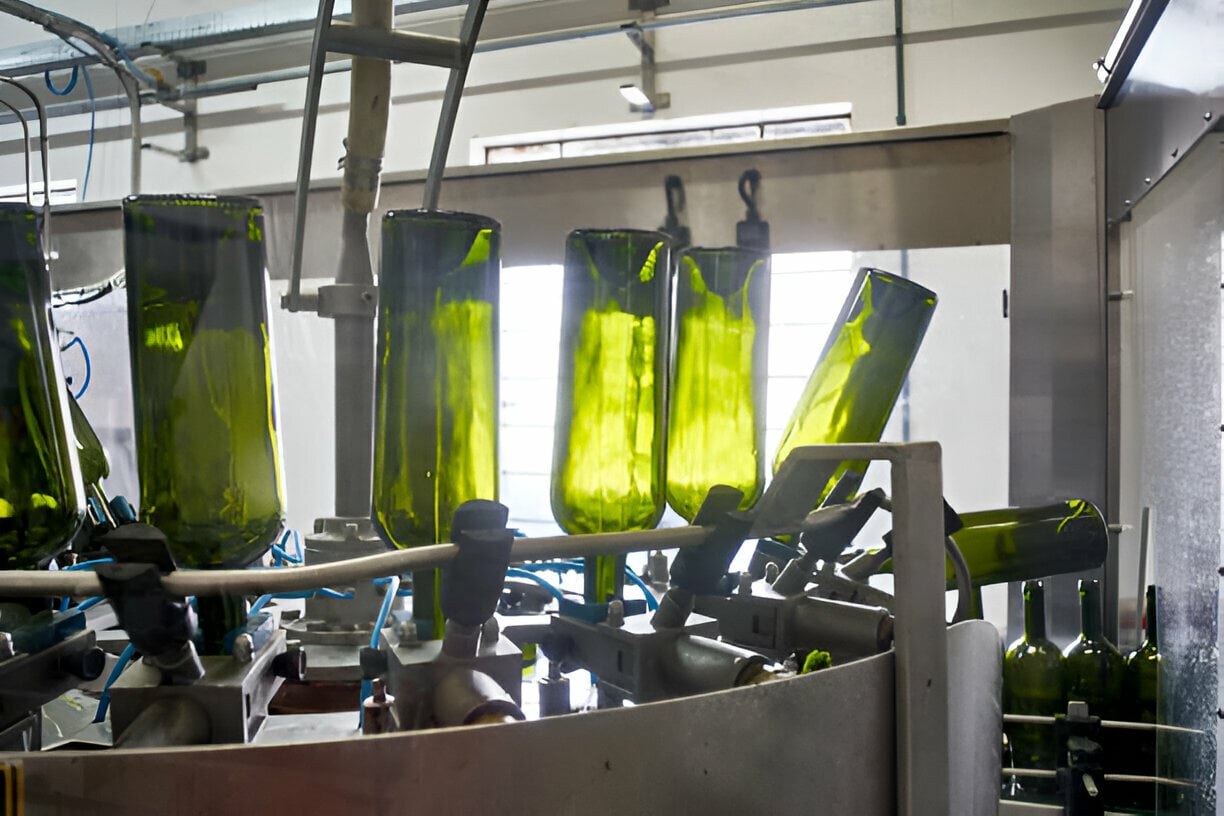
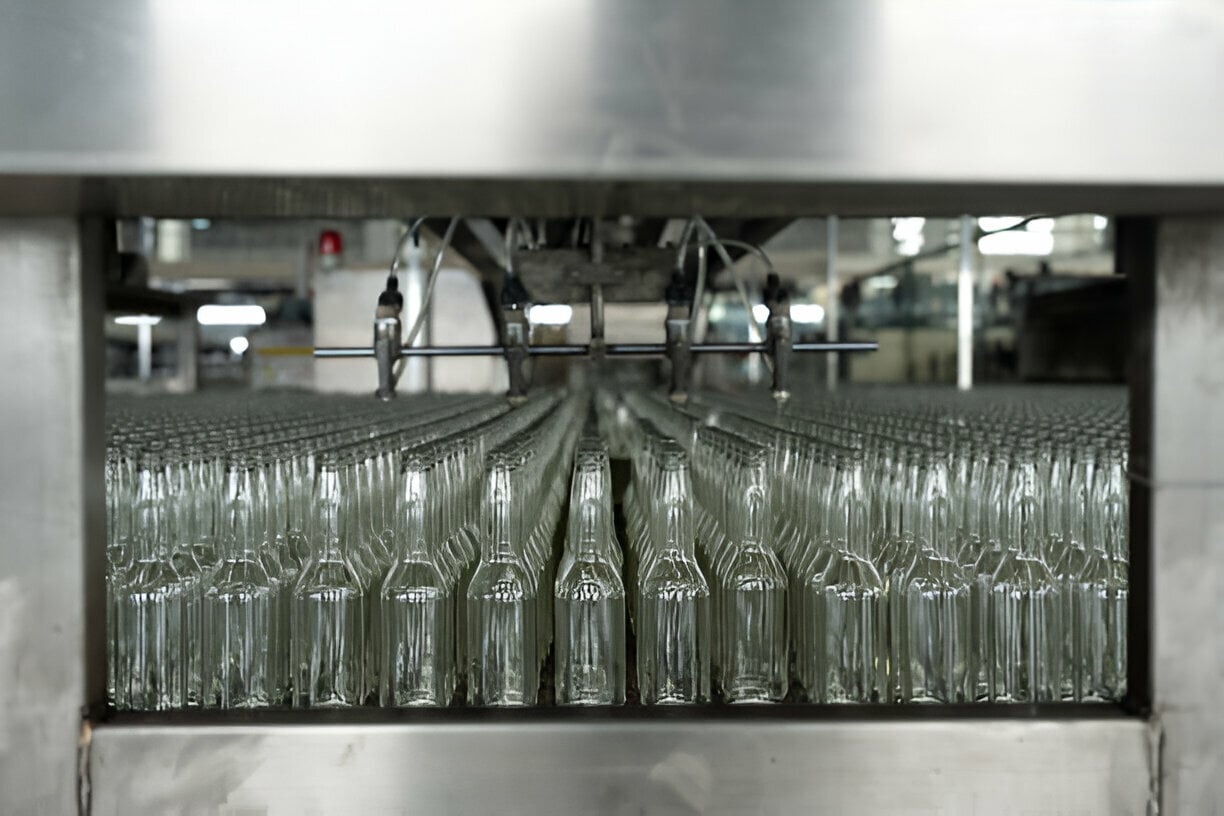
The glass bottles for olive oil must be through a quality control process that ensures that the glass containers have no cracks or nicks or issues with the seal, and that you are keeping your batch dates so you can sort out a problem in case you have an issue , and that the glass meets quality standards to ensure the container will not leach any foreign matter and all hygiene requirements are met and finally that they want to support you as a customer.  In general, suppliers that are ISO9001, HACCP or GFSI certified want to ensure the quality they deliver to you is at a high level with some level of quality control you can rely on.

Supplier Evaluation and Audit

You can evaluate suppliers by using a questionnaire or an audit check list and/or do an on-site audit: Ask about delivery, stability, and ability to meet regulations.  By having the ability to do an on-site inspection and view the production equipment and quality control process and is there operational management oversight, you can assess whether the supply can meet the demands you require.

Pricing and Negotiation

Understanding international trade terms (e.g. FOB, CIF, EXW) is helpful, as these terms are used to describe the responsibilities to be expected by the parties involved in the shipment. When negotiating payment terms with suppliers, there may be options for better terms; sometimes the better terms are achieved through long term contracts; but make sure the terms work for both parties.

Raw Material Price Variations

The prices of raw materials used in glass production (e.g., sand, soda ash, etc.) can vary, which can ultimately impact the price of olive oil glass bottles. Be cognizant of price variation and develop mitigation strategies ahead of time such as aligning with suppliers with stable sources of raw materials.

Transporting Fragile Products

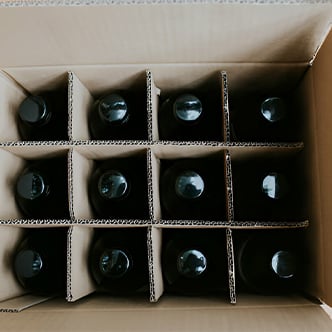
Glass olive oil bottles are extremely fragile, therefore transportation will require special care such as double-walled cartons, individual packages, and padding that will address impact. Label as "fragile". Choose a logistics company that deals with fragile goods and consider insurance to limit loss.

Procurement and Logistics Optimization for Glass Bottles for Olive Oil

Specialized Packaging

Glass olive oil bottles must be transported in specialized packaging: robust and multi-layered boxes, each bottle surrounded by bubble wrap or some other cushion and filled with sufficient packing material to maintain position and absorb impact. The boxes need to be labeled "fragile" for handlers. Glass is brittle, fragile, and heavy, which makes transportation expensive. Many smart packaging technologies, while beneficial, have additional production costs. In the end, in most cases the inherent customer value of the new technologies (trust) and the reduced impacts on the environment, will justify the initial costs.

Supply Spare Visibility

Using IOT sensor, GPS tracking, and integrated management systems, the olive oil glass bottle supply chain can be monitored in real time, allowing complete traceability from supplier shipment to warehouse entry, which can enable resolution on time of delay and possible damage. 

Godown Management

Olive oil requires a dedicated area to store glass bottles, which is equipped with a handling equipment dedicated to heavy duty and delicate cold storage and safety. A warehouse management system (WMS) should be used to record inventory for easy control.

International Trade Conditions (Incoterms)

It is important to understand international trade words like EXW, FOB, CIF and DDP well. They define the division of responsibilities, costs and risks in international trade. For example, fob means that the seller is responsible for shipping for the departure port, while CIF involves insurance and freight. Understanding these conditions will help you plan better for your budget and logistics.

Customs and Import Rules

Customs and import rules for olive oil glass bottles vary from the country to the country, including tariffs, specific requirements, and much more. For example, the United States requires FDA compliance, while India may require a glass inspection report. Be sure to understand and comply with these rules to avoid delay or penalty.

To resolve logistics challenges

Estimate and address international shipping challenges for olive oil glass bottles: port congestion and bad weather can be delayed, delicate objects can be easily damaged, and rising costs can affect profits. It can be addressed through better documentation, strict compliance and decentralized supply chains.

Where to Buy Olive Oil Glass Containers : A Complete B2B Guide

Order Free Samples

Promote Long -term Partnership in Olive Oil Glass Container Procurement

contract negotiations

While interacting on contracts with suppliers of olive oil containers, go beyond just the price. Include volume commitments. If you can guarantee a certain amount of order, you may be able to get better pricing. Tier pricing can also be an option, where the price of the volume increases as the price per unit is reduced. Clear Quality Assurance (QA) Agreement should be to ensure that the containers meet your standards. Determine the lead time so that you know when to expect delivery. Intellectual property (IP) protection sections are important if you have custom designs. Stability segments can also be included to align the supplier with your environmental goals.

Associate Innovation

Involve suppliers rapidly in the design process for your olive oil containers. Look into alternative materials such as lighter alternatives of glass to lessen the weight without sacrificing quality. Advanced coatings can also be considered to improve oil protection. Install the feedback loop with the supplier because you could analyse the design and functionality with specific reference to the market feedback or your own uses.

Risk Sharing & Contingency Planning

Work with your suppliers in formulating a response to interruptions to the supply of olive oil containers. Be open about any challenge with your suppliers. Consider performance - based incentives for your supplier. For example, you could offer your supplier a bonus based on meeting or exceeding quality and on time delivery always. The aim is to create a more contact resilient and mutually beneficial arrangement.

Future Trends and Innovations in Olive Oil Glass Packaging

AI & Automation - The new paradigm 

AI and automation are changing the game for the manufacture of olive oil containers. In the manufacturing process, AI can increase efficiency and reduce waste in the production lines, for example. Predictive maintenance via AI can see potential equipment failures and disable equipment before it fails reducing down time. Advanced defect detection systems can detect defects as small as 0.1mm with 99.7% accuracy levels.

Smart Packaging

Smart packaging is a trend that is developing in the olive oil industry. QR codes and NFC or near field communication tags can be placed on glass containers of olive oil. Smart packaging is where QR codes and NFC tags are utilized with respect to traceability and provides the customer with transparency about where the olive comes from, the process for producing the olive oil, and all the quality certifications associated. Even blockchain technology can offer authenticity of the information. Not only does this tactic battle counterfeiting, but it engages the consumer. The evidence suggests that customers are willing to pay more, with more information available.

Consumer Preferences

Many consumers have a preference for glass containers for olive oil. Glass has a reputation as high-end and safe packaging. Consumers pay a premium price for sustainable and traceable products. To protect the quality of olive oil from ultraviolet rays, dark glass is critical. Businesses must also consider consumer preference when sourcing and designing olive oil containers.

Wholesale & Bulk Glass Bottles and Jars

Expert glass container manufacturer specializing in ready-to-ship wholesale solutions and custom-branded packaging services.