EN
EN AR
AR BG
BG HR
HR CS
CS DA
DA NL
NL FI
FI FR
FR DE
DE EL
EL HI
HI IT
IT JA
JA KO
KO NO
NO PL
PL PT
PT RO
RO RU
RU ES
ES SV
SV TL
TL IW
IW ID
ID LV
LV LT
LT SR
SR SK
SK SL
SL UK
UK VI
VI HU
HU TH
TH TR
TR FA
FA GA
GA LA
LA MI
MI MN
MN

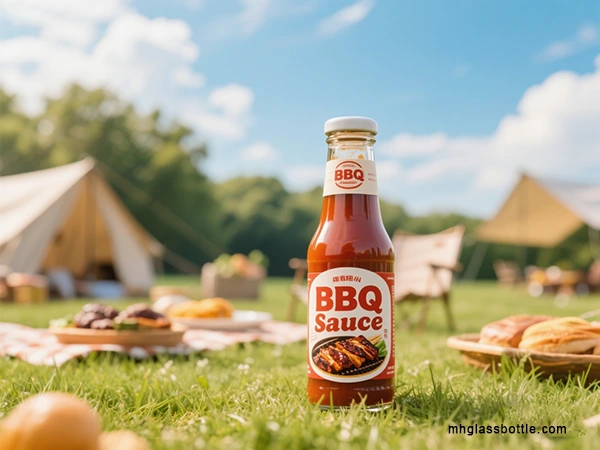
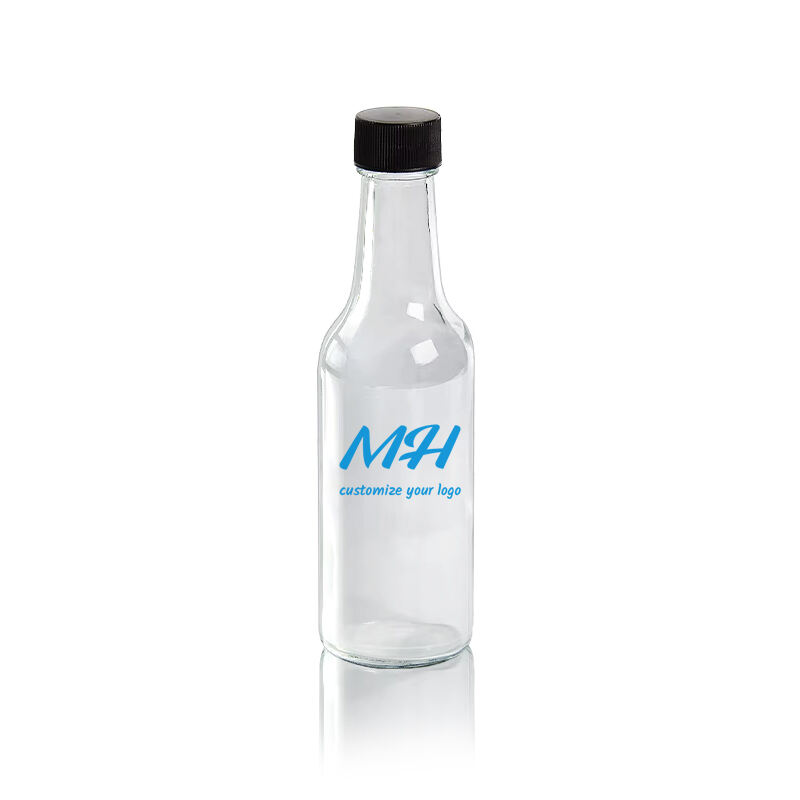
Globalno tržište BBQ umaka raste, procjenjuje se da će se udvostručiti s 1,94 milijarde na 3,07 milijardi dolara između 2025. i 2034. godine. Uz rastuću potražnju potrošača za širim asortimanom umaka i sklonost brzoj hrani, boce s BBQ umakom imaju ključnu ulogu. Odabir prave boce ne osigurava samo sigurnu dostavu i rok trajanja umaka, već i jača prepoznatljivost brenda, izravno utječe na prodaju proizvoda. Za poduzeća koja razmatraju proizvodnju BBQ umaka, važno je pažljivo odabrati bocu, uzimajući u obzir otpornost na toplinu, privlačan dizajn i ekološke i zdravstvene aspekte. Sljedećih devet poglavlja ističe glavne savjete za kupnju kako biste izbjegli štetne pogreške.
BBQ Bočica za umake Specifikacije i materijali
Kod odabira boca s barbecue umakom, razmislite o prvom materijalu, jer izravno utječe na skladištenje i sigurnost umaka. Uobičajeni materijali uključuju staklo, PET, HDPE i PP, svaki s jedinstvenim svojstvima. Posebno, oni obično trebaju biti kompatibilni s toplinskim procesom koji se koristi za umak.
Značajke glavnog materijala
- Staklo: Izvrsna otpornost na toplinu, prikladna za punjenje vrućeg umaka. Zrakonepropusnost očuvava okus umaka i sprječava reakcije s umakom. Međutim, teška je, skupa za transport i stvara visoke emisije ugljika.
- PET plastika: Prozirna, omogućuje vidjeti umak, lagana je i niska cijena transporta. Ima lošu otpornost na toplinu, pa za punjenje vrućeg umaka potreban je poseban model (koji izdržava temperature od 85-95 °C). Međutim, to povećava troškove i zahtijeva veliku minimalnu količinu narudžbe. Njezina svojstva barijere za kisik bolja su od HDPE-a.
- HDPE plastika: Niskih troškova, može izdržati punjenje vrućim tekućinama ispod 82°C (više temperature mogu izazvati deformaciju), otporan na kiseline i lužine, prikladan za sve vrste sosova za BBQ. Plastika PP: topljivootporna bez posebnog tretmana (neke vrste izdrže temperature od 96-115°C), kemijski stabilna i ne reagira sa sosom.
Uobičajene specifikacije i poklopci za boce
Kapacitet varira od 5-8 unca (jednokratna upotreba) do 1 galona (za catering). Poklopci uključuju navojni poklopac, klizni poklopac i pritisni poklopac, ovisno o gustoći sosova - poklopci su prikladni za tanke sastojke, dok su navojni poklopci prikladniji za gušće sastojke. Poklopci na sosovima su prikladni za tanke sastojke, dok su navojni poklopci prikladniji za gušće sastojke. Minghang Posuda za vrući sos je dizajnirana uzimajući u obzir temperaturu i materijal punjenja, dok je težina boce također prilagođena kako bi se uštedjelo na troškovima dostave. Materijal prolazi kroz strogije testove i ne sadrži štetne tvari koje mogu iscuriti, zadržava okus sosova i čini ih prikladnim i za kratkoročnu prodaju i za dugoročno skladištenje.
Utjecaj dizajna ambalaže na brendiranje
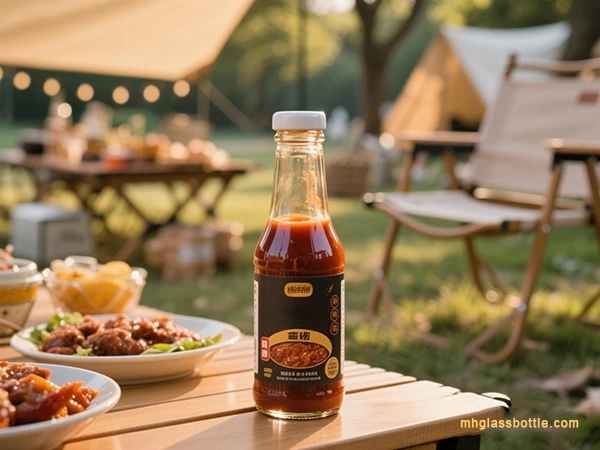
Dizajn boca za BBQ umake ne služi samo estetske svrhe; također pomaže u stvaranju svijesti o brendu i privlačenju potrošača. Veličina, tekstura i etiketa jedinstvene boce su važne.
Veličina i dizajn dodira boce
Jedinstveni oblici boca (npr. valovite linije) mogu pomoći potrošačima da ih zapamte. Reljefni (ispupčeni) ili utisnuti (deprimirani) detalji na boci mogu dodati osjećaj kvalitete. Na primjer, reljefni logo može izgledati premium.
Psihologija pakiranja i trošak
72% potrošača donosi odluke o kupnji na temelju ambalaže. Crvena potiče apetit. Jednostavni fontovi prenose osjećaj roskoši, dok živahni fontovi prenose osjećaj pristupačnosti. Reference na "prirodne sastojke" i "tradicionalnu formulu" na ambalaži mogu prenijeti osjećaj pouzdanosti. Prilagođeni oblici boca zahtijevaju izradu kalupa (po cijenama od nekoliko tisuća do desetaka tisuća juana). Velike količine mogu podijeliti trošak, a moguće je podnijeti zahtjev za patentom radi zaštite od oponašanja. Dostupne su napredne tehnologije poput 360° termo-kontrakcijskih etiketa i pametnih etiketa s QR kodovima.
Posude za ljutu umaku Minghang razumiju potrebe brenda i nude prilagodbe oblika boca te izbočine/ugrave na reljefu. Također preporučuju boje i fontove na temelju vrste ljute umake (retro fontovi za tradicionalnu umaku i živahni fontovi za mladalački stil), što pomaže proizvodu da se istakne na policama i privuče ciljanu grupu kupaca.
Strategija kupnje i odabir dobavljača
Kako biste kontinuirano kupovali boce visokokvalitetnog BBQ umaka smanjujući troškove i rizike, potrebna vam je dobro razvijena strategija nabave. Ona se sastoji od presejanja dobavljača na temelju tri glavna faktora: kvaliteta dobavljača i njihova proizvodna sposobnost.
Istraživanje dobavljača
Prvo i najvažnije, utvrdite ima li dobavljač iskustva u pakiranju hrane (razumijevanje zahtjeva otpornosti na toplinu i propuštanje). Obratite se postojećim korisnicima. Idealno je posjetiti tvornicu kako biste pregledali proizvodni proces, sanitarne uvjete i koje sirovine mogu biti testirane.
Kvaliteta i certifikacija
Dobavljači moraju podleći strogoj kontroli kvalitete (ispitivanje čistoće sirovina, provjera grešaka boca tijekom proizvodnje i uzorkovanje gotovih proizvoda). Također moraju imati certifikate poput FSSC 22000 (sigurnost hrane) i ISO 9001 (kvaliteta). Materijali koji dolaze u kontakt s hranom moraju zadovoljavati standarde poput FDA i EU ISO 7086-1:2017.
Proizvodna sposobnost i kontrola rizika
Dobavljači moraju imati dovoljnu proizvodnu kapacitetu (za zadovoljavanje trenutnih i budućih narudžbi) i stabilne rokove isporuke. Ne oslanjajte se isključivo na jednog dobavljača; razmotrite odabir dva ili tri alternativna dobavljača kako biste izbjegli prekide u opskrbi.
Dobavljač posude za začin Minghang je pouzdan, s dubokim razumijevanjem godina iskustva i zahtjeva za punjenje začinskog sosa u prehrambenom pakiranju. Dobili su nekoliko certifikata o sigurnosti hrane, čime se osigurava da je svaka partija posuda pregledana. Nudi fleksibilnu proizvodnu kapacitetu (za male testne narudžbe i velike serije proizvodnje) i stabilno vrijeme distribucije, što pomaže kupcima da izbjegnu prekide u opskrbi i osigura neprekidnu proizvodnju začinskog sosa.
Analiza troškova i savjeti za uštedu novca
Trošak kupnje boca s barbecue socom nije samo cijena po boci; uključuje sirovine, kalupe, troškove prijevoza i više. Izračunavanje ovih faktora može vam pomoći da uštedite novac.
Struktura troškova
- Direktni trošak: sirovine (kvarcni pijesak za staklo, polimer za plastiku) i naknada za obradu. Prilagođena veličina, boja ili otpornost na toplinu povećat će dodatne troškove.
- Indirektni troškovi: Trošak kalupa, trošak dostave, najam skladišta, naknada za kontrolu kvalitete, štete i zalihe (npr. kontrola kvalitete plastičnih boca može dodati 5% -10% troškovima proizvodnje).
Načini za uštedu novca
Tražite ponude od tri ili više dobavljača; Naručite velike količine ili potpišite dugoročne ugovore trajanja 1-3 godine kako biste dobili niže cijene; Izbjegavajte sezonu vrhunca i naručite 1-2 mjeseca unaprijed kako biste smanjili povećanje cijena; Korištenjem standardne veličine boca uštedite na troškovima kalupa; I pravite tanje boce kako biste uštedjeli na sirovinama i troškovima dostave (npr. time što ćete napraviti staklene bočice tanje). Osim toga, pratite cijene sirovina (npr. rastuće cijene nafte mogu učiniti plastiku skupljom) i dogovorite se s dobavljačima da cijene boca povećate samo ako cijene sirovina porastu više od 5%.
Upravljanje lančanom opskrbe i logistikom
Boce s BBQ umakom, posebno staklene boce, lako se oštete tijekom transporta i skladištenja. Stoga je važno pravilno upravljanje u skladišnoj upravi, upravljanju zalihama i transportu.
Skladištenje
Prazne staklene boce smjestite u područja s niskim prometom (udaljeno od viljuškara). Koristite široke police s ravnim podovima i mekim poličama ili jastučićima od pjene za zaštitu od sudara. Osigurajte široka skladišna vrata i zidne obloge s materijalom otpornim na sudare.
Strategija upravljanja zalihama
- Točno na vrijeme (JIT): Naručite samo onoliko koliko je potrebno, time se štede troškovi skladištenja, ali postoji ovisnost o dobavljačima za pravodobnu isporuku i rizik od poremećaja u opskrbi. Sigurne zalihe: kupujte više kako biste se nosili s neočekivanim potražnjama, ali time se povećavaju troškovi skladištenja.
- Mješovita strategija: Koristite JIT za redovne artikle i održavajte sigurne zalihe za artikle koji su u vršnom razdoblju ili su rasprodani, time se postiže ravnoteža između učinkovitosti i rizika.
Transport i utovar/istovar
Boce se pakiraju na palete, pri čemu se staklene boce odvajaju mjehurićastom folijom ili kartonom, a pričvršćuju se trakama ili zračnim vrećama prilikom utovara u kamione. Velike količine se isporučuju morskim putem ili cijelim kamionskim teretom, dok se manje količine isporučuju frakcijski (LTL). Dugotrajno skladištenje stakla zahtijeva zaštitu od "povratne reakcije" (mutnjenja površine boce). Zatražite od proizvođača da izvrši tretman protiv povratne reakcije. Održavajte skladišni prostor suhim i udaljenim od mjesta utovara i istovara.
Ispitivanje sukladnosti i kvalitete
Boce s BBQ umakom su ambalaža za kontakt s hranom i moraju biti u skladu s lokalnim propisima. Nepridržavanje propisa može dovesti do novčanih kazni ili čak zabrane prodaje, u skladu s američkim (FDA) i europskim standardima.
Zahtjevi u Sjevernoj Americi (FDA)
Prema Federalnom zakonu o lijekovima, kozmetici i prehrambenim proizvodima, novi materijali moraju biti dostavljeni u obliku obavijesti o kontaktu s hranom (FCN) za pregled. Materijal ne smije otpuštati štetne tvari (npr. BPA se ne smije koristiti u ambalaži za bebinu hranu). Kalifornijski zakon 65 zahtijeva upozoravajuću oznaku za kancerogene ili reproduktivne štete (npr. olovo).
Zahtjevi Europske unije
Prema uredbi 1935/2004, boce ne smiju prijetiti zdravlju niti mijenjati okus umaka. Plastične boce moraju slijediti uredbu 10/2011 (npr. ukupno ispiranja/10 mg/DM). Neke zemlje imaju granice za olovo i kadmij stakla, a također je potrebna i sličnost (DOC).
Proces ispitivanja
Bocama će morati podvrgnuti testovima čistoće sadržaja, ispiranja te otpornosti na pritisak i curenje. ISO/IEC 17025 - koristiti priznate ispitne institucije poput SGS-a i Intertecha. Redovito pregledavati izvješća o reviziji dobavljača, sirovina i proizvodnih zapisa.
Trajno rješenje za ambalažu
Potrošači i regulatori sada prioritetno tretiraju zaštitu okoliša. Radi primjene recikliranih materijala u bočicama s BBQ umacima, treba se odlučiti za lagani materijal, ali i za opcije koje su prijateljske prema okolišu.
Dizajn s laganim težinom
Smanjenje upotrebe materijala bez umanjenja čvrstoće. Na primjer, staklene bočice su smanjile težinu za 30% tijekom 20 godina (kroz optimizaciju oblika bočica i prevlake otporne na pukotine), dok su bočice od HDPE-a smanjile težinu za 60%. Time se štede sirovine i smanjuju emisije ugljičnog dioksida.
Reciklirani materijali (PCR)
- Staklo: Ovo se može beskonačno reciklirati. Upotreba recikliranog stakla smanjuje potrošnju energije u pećima, ali njegova boja utječe na boju nove bočice (na primjer, zelene češnjake može se napraviti samo u zelenim bočicama).
- S druge strane: PCR je vrlo tražen, ali je njegova ponuda ograničena i skupa. Također može izazvati nejednoliku boju i lošu otpornost na toplinu, što zahtijeva strogo čišćenje i prevenciju kontaminacije.
Prirodnoprivredne opcije
Biološki razgradivi plastik (PLA i PHA, sastavljen od kukuruznog škroba) može se razgraditi u industrijski gnojivo, ali za to su potrebne posebne značajke koje su skuplje. Papirnati limenke s prevlakama otporne na curenje prikladne su za grubu umake i lako se recikliraju. Mnoge regije sada zahtijevaju da plastične bočice sadržavaju PCR (na primjer, Europska unija zahtijeva 25% do 2025. godine). Odabir trajnog pakiranja također može poboljšati vašu robnu marku.
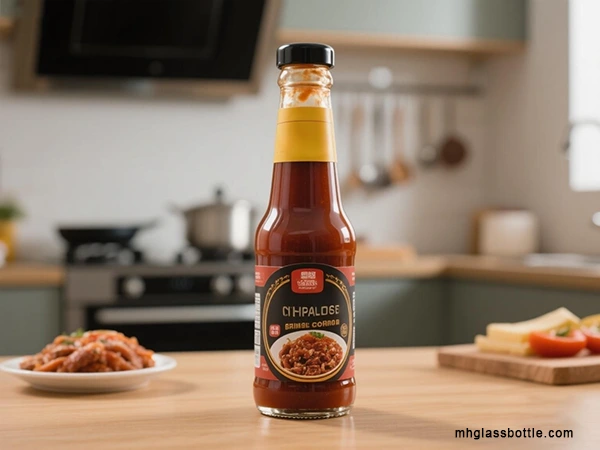
Velesprodaja boca s barbecue umakom promatranje
Upoznavanje velesprodaje boca s barbecue umakom može vam pomoći da uskladite potrebe vaše bočice. Ovo tržište trenutno brzo raste, pri čemu se kanali i trendovi razvijaju.
Tržišni trendovi
Potrošači vole barbecue i gotova jela i spremni su probati nove okuse. Zdrave opcije (niskog šećera, organske) sve više postaju popularne. Umak temeljen na rajčici (34,23% u 2024.), slatki umak (42,7% u 2024.) i tekući umaci (76,8% u 2024.) najčešći su. Regije s posebnim umacima i fuzijski okusi također su popularni.
Distribucijski kanali
Supermarketi su primarni distributivni kanal (58,23% u 2024.). Nove distribucijske mogućnosti uključuju online e-trgovinu, dobavljače za ugostiteljstvo i specijalizirane prodavaonice namirnica. Proizvodnja vlastitih maraka je također moguća, čime se štedi na troškovima izgradnje tvornice.
Izazovi i mogućnosti
Izazovi: povećanje cijena sirovina, konkurencija od drugih umaka te fluktuacije u troškovima logistike; Prilike: razvoj visokokvalitetnih umaka (organski, posebni recepti), tržišta za posebne potrebe (vegetarijanski, bez glutena), online marketing (kratki video, suradnja s blogerima) i međunarodni izvoz. Ukratko, boca s BBQ umakom ima kapacitet na tržištu. Ključ za uspostavljanje čvrstog položaja je pažljivo pozicioniranje proizvoda i distribucija, uz odabir odgovarajuće vrste BBQ umaka (s pravim sastojcima, dizajnom i troškovima).
Sadržaj
- BBQ Bočica za umake Specifikacije i materijali
- Utjecaj dizajna ambalaže na brendiranje
- Strategija kupnje i odabir dobavljača
- Analiza troškova i savjeti za uštedu novca
- Upravljanje lančanom opskrbe i logistikom
- Ispitivanje sukladnosti i kvalitete
- Trajno rješenje za ambalažu
- Velesprodaja boca s barbecue umakom promatranje