EN
EN AR
AR BG
BG HR
HR CS
CS DA
DA NL
NL FI
FI FR
FR DE
DE EL
EL HI
HI IT
IT JA
JA KO
KO NO
NO PL
PL PT
PT RO
RO RU
RU ES
ES SV
SV TL
TL IW
IW ID
ID LV
LV LT
LT SR
SR SK
SK SL
SL UK
UK VI
VI HU
HU TH
TH TR
TR FA
FA GA
GA LA
LA MI
MI MN
MN


בעידן העולמי המתקדם, הפופולריות של מוצר נובעת לעיתים קרובות מהאריזה שלו. לקונים ב2ב בתחום המזון, המשקאות והקוסמטיקה, בקבוקי זכוכית הם יותר מ Als פשוטה - הם משפיעים ישירות על איכות המוצר, תמונת המותג ועמידות שרשרת האספקה.
כדי לספק נכון בקבוקי זכוכית יש לשקול בעיון דרישות איכות, אתגרי לוגיסטיקה, מודלי שותפות וחדשנות. האיכות של ה בקבוק זכוכית היחידה המייצרת קובעת אם המוצרים של חברות הזרם התחתון יצליחו לצבור נוכחות בשוק. רק על ידי הבנת המרכיבים הללו אנו יכולים לבנות שרשרת אספקה יציבה, מאומתת ועם יתרון תחרותי.
מדוע בקבוקי זכוכית הם כה חשובים?
עבור סחר בגדלים B2B, בקבוקי זכוכית משמשים ליותר מאשר רק כภาיר:
- התעשייה הפקדנית סומכת עליהם כדי להבטיח את היציבות והבטיחות של תרופות.
- תעשיית המזון והמשקאות סומכת על הנייטרליות והבטיחות שלהם כדי לשמור על טריות.
- תעשיית הקוסמטיקה משתמשת בעיצוב שלהם כדי להעביר ערך של מותג.
חלקוּת השרשרת כולה קשורה גם היא ליציבות של ה מפעל לבקבוקי זכוכית .
הסוד לאיכות בקבוקי זכוכית: דיוק וטהרה
המפתח למפעל בקבוקי זכוכית אמין נמצא בפיקוח איכות קפדני, שמתחיל עם מאפייני הבקבוק עצמו. עבור סחר בגדלים B2B, הדיוק במהלך הייצור משפיע ישירות על שלבים הבאים בייצור ועל איכות המוצר הסופי.
דיוק בממדים
סובלנות ועקביות בממדים היא סטנדרט שאין עליו כל פשרות. כל נקודה בקבבוק - בPotential, בקצה הפקק ובצורה הרגילה - חייבת להיות מיושרת במדויק. כל סטייה, אפילו קוטר קטן במקצת או סיום שגוי בפקק, יכולה לגרום לתופעות לוואי רבות: ירידה בביצועים של קו המילוי האוטומטי, תווית לא מיושרת, חותם רופף הגורם להזנחה או לדליפה של המוצר.
הבעיה הקשה ביותר היא "תכווצות צוואר" – זכוכית מוגברת שמגנה על פתח הבקבוק, מה שהופך אותו לחסר תועלת ומסוכן לשבירה בשלב מסוים במהלך המילוי, מה שיכול לעצור את קו הייצור ולגרום לפסדי ערך גדולים. מפעל הבקבוקים הזכוכית חייב להשתמש בתבניות בדיוק גבוה מאוד ובבדיקת איכות קפדנית כדי למנוע בעיות אלה בשלב מוקדם במערכת הייצור.
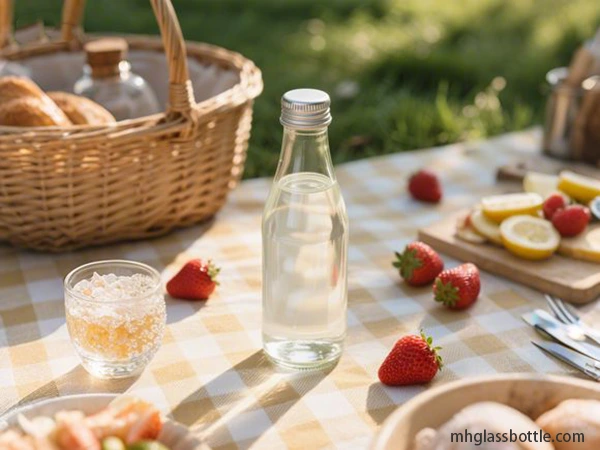
פגמים על פני השטח משפיעים יותר מאשר רק על המראה
בעיות בappearance עשויות להיראות כבעיות קלות, אך הן משפיעות למעשה על תמונת המותג. משטח חלק, אחיד ויפה הוא הכרחי, במיוחד עבור מוצרים המיועדים לצרכן. מפעל בקבוקי זכוכית חייב לשלוט בקפדנות בתכונות הפגמים הנפוצות הללו:
- בועות: מזהמות גז בתוך הזכוכית, בעיקר aqua regia, יש להגביל את אורך והיקף שלהן.
- אבנים: מזהמות שאינם זכוכית שמשפיעות על חוזק והגנה.
- פסים: פסים גליים שנוצרים עקב חוסר אחידות ברכיבי הזכוכית, מה שמשפיע על האסתטיקה.
- סדקים: סדקים קטנים ושטוחים על פני השטח שעשויים לגרום לדליפת נוזלים.
חומרי גלם ותהליכים יצרניים הם הבסיס לאיכות
איכות מתחילה בחומרי הגלם. מרכיבי הליבה המורכבים מחיקת סיליק, אפר סודה ואבן סידן צריכים לעמוד בסטנדרטים לניקיון, איזון, ומרכיב כימי. לדוגמה, טמאים בתוך חול הסיליקא יכולים לגרום לפחיות או קווים בבקבוק הנוצר. לכן, מפעל בקבוקי זכוכית צריך להיות מלא מכשיר בקרת יוצא דופן. מדרכי הכוונה של החומר החומרי, ניהול הטמפרטורה עד ההמסכה, דרך ההסקה עד ההסקה (כדי לחסוך מתח פנימי), טיפול פנימי, ולבסוף, ביקורת מלאה, כל צעד חייב להיות קפדני. מפעלים רבים משתמשים כעת במערכות בדיקות אוטומטיות כדי לוודא איכות הייצור ולהפחית סחורה פגומה.
כוח פנימי חשוב יותר: יציבות מבנית וכימית
למרות שהמראה והגודל חשובים, הכוח האמיתי של בקבוקי זכוכית טמון בחוזק המבני ובאינרטיות הכימית שלהם. תכונות אלו חשובות לבטחון המוצר, לאריכות המדף ולامتثال למדיניות הארגונית.
חוזק מבני: מסוגל לעמוד במבחנים שונים
בקבוקי זכוכית חייבים לעמוד בעומסים של מילוי, אריזה, תחבורה ושימוש של הצרכן:
- התנגדות ללחץ פנימי: בקבוקים המשמשים למשקאות על קarbon, למשל, חייבים לעמוד בלחץ פנימי גבוה במיוחד, כי אחרת הם עלולים להתפוצץ. מפעלים נעזרים בשיטות בדיקה מתקדמות, כמו ASTM C147, כדי לקבוע את הלחץ המקסימלי אותו יכול הבקבוק להכיל.
- התנגדות להשפעות ולחום פתאומי: פגיעות ורטט נפוצות הן בלתי נמנעות במהלך התחבורה והעיבוד, והבקבוק חייב לעמוד בשינויים פתאומיים בטמפרטורה. מפעלי בקבוקי זכוכית נעזרים בתהליכי עיבוד מיוחדים כדי להגביר את העמידות של הזכוכית.
- עיבוד תרמי (Annealing): שלב זה קריטי בהפיכה פנימית בזجاج. בקבוקים בעלי איניאום לקויים נוטים להתנפץ בקלות, ותקנים בינלאומיים קובעים בפירוש דרישות בתחום זה.
יציבות כימית: ללא פשרות עם התוכן
היציבות הכימית של הזجاج היא יתרון עיקרי, מה שהופך אותו מתאים במיוחד לאריזה של מוצרים רגישים:
- אינרטיות כימית: זجاج איכותי (כגון זجاج בורוסיליקטי) מונע מהעברת רכיבים מהבקבוק לתוך המוצר, ומבטיח טוהר של המוצר.
- עמידות לחומצות ולقلים: הדבר חשוב במיוחד לבקבוקי זجاج פרמקאוטיים, אשר חייבים להתקיים בשלום עם תרופות שונות.
- בטיחות מזון: הזجاج המשמש ליישומים של מזון חייב לעבור מבחנים קפדניים כדי להבטיח שאין מעבר של חומרים מזיקים אל המזון.
לתעשייה שונות יש דרישות שונות ל"אופי" הבקבוקים הזכיים: לבקבוקים פארמה נדרשת ניקיון מירבי, לבקבוקים למזון יש צורך להיות בטוחים ואינם פוגעניים, ולבקבוקים לקוסמטיקה יש צורך להיות בטוחים וגם אסתטיים. מפעלים לייצור בקבוקים זכוכיתיים מותאמים את נוסחאות הזכוכית ואת תהליכי הייצור כדי לעמוד בדרישות ספציפיות.
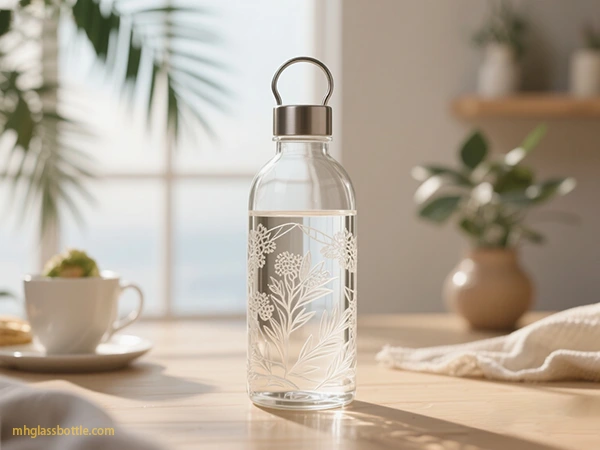
דרישות לפי תחום התעשייה
- תעשיית התרופות: ניקיון מירבי, סביבת ייצור סטרילית ותקנות קפדניות
- תעשיית המזון והמשקאות: עמידות, שמירה על טריות ואיטום המעיד על הפרעה
- קוסמטיקה: עיצוב ומראה יפה, עשוי לדרוש הגנה מפני קרני UV
מפעל בקבוקי זכוכית מותאם שיטות הייצור והבדיקות לדרישות הספציפיות של כל תעשייה, כדי להבטיח שהמוצרים עומדים בדרישות אלו. בקבוקי זכוכית מינגהנג עונים בדיוק על הדרישות הייחודיות של כל תעשייה. בתעשיית המזון והמשקאות הם מציעים קשיחות ואיטום ausgezeichnetים, מבטיחים שמירה מעולה על טריות וכן תכונות המעידות על הפרעה, כדי להבטיח את ביטחון המוצר. לתעשיית הקוסמטיקה הם מציגים דגש על עיצוב אסתטי תוך שמירה על הביטחון, עם מראה מהפנט והיכולת להוסיף הגנה against UV upon request, תוך שילוב בין תועלת ואסתטיקה. בסך הכל, בקבוקי זכוכית מינגהנג מציגים יתרונות משמעותיים במונחי חוזק מבני, יציבות כימית ותאימות לדרישות הספציפיות של מגוון תעשיות. הם מציעים פתרונות אריזה איכותיים למוצרים במגוון תחומים והן בחירה אמינה.
ארבע. שותפות: בניית שרשרת אספקה אמיצה
בתקופה של תנודתיות שוק עולמית מתגברת, יצירת שרשרת אספקלה חזקה יותר של בקבוקי זכוכית איננה תמיד חלופה עבור מפיצי B2B, אלא הכרח.
אל תשים את כל הביצים שלך בסל אחד
התמחות בספקים היא אבן הפינה של שרשרת אספקלה חזקה. הימנעות מהתבססות מוחלטת על ספק יחיד או אזור אחד היא חסרה-ביטחון מדי. השיטה האינטליגנטית היא לפתח קשרים עם מספר מפעלים לייצור בקבוקי זכוכית, מועדפת אם הם ממוקמים באזורי גיאוגרפים שונים, כך שאפילו אם צצות בעיות במקום אחד, קיימות חלופות.
שיתוף פעולה מעמיק יוצר מצב שבו שני הצדדים מרוויחים
שיתוף פעולה עם מפעלי בקבוקי זכוכית אמור לעבור מעבר לגישה טרנזקטיבית פשוטה. הוא מחייב ידע מעמיק בתהליכי הייצור שלהם, שיתוף סטטיסטיקות, דרישות ברורות ומיידיות באיכות ובמ срокים, ופעולה משותפת כדי לזהות ולפתור בעיות באופן פרואקטיבי. לדוגמה, העברת שינויי דרישה מוקדם מאפשרת למפעלים זמן להתאים את תהליכי הייצור; או שיתוף פעולה בעיצוב האריזה כדי לאפשר תחבורה קלה יותר.
רוח השיתוף הזו חיונית כדי להבטיח חווייה נעימה, לשפר ביצועים וליצור שרשרת אספקה עמידה בפני מצבים בלתי צפויים.
שיתוף פעולה מתקדם: העברת האיכות לרמה הגבוהה יותר
מעבר לניהול ספקים, הקמת בריתות אסטרטגיות יכולה לשנות את הביטחון באיכות בתוך שרשרת האספקה של בקבוקי זכוכית. רמת שיתוף פעולה זו מרחיבה את הפעילות מעבר לטרנזקציות בסיסיות, ומעודדת עידוד שיתופי וגישות משולבות במטרה להשיג איכות גבוהה יותר.
척יות שדרוגי איכות בחוזים
חוזים המבוססים על ביצועים יכולים להיחתם, כאשר התשלום מותנה במטרות איכות. ההסכם יגדיר בפירוש רמות מקובלות למגוון פגמים, יפרט תהליך לפתרון סכסוכים באיכות, ואף יקים צוות משותף לאופטימיזציה של תהליכים. הדבר יספק למפעלי בקבוקי זכוכית עידוד רב יותר להבטיח איכות.
בדיקות "בריאות" קבועות הן הכרח
בדיקה קבועה של הספקים היא חיוני, כולל בדיקת תעודות חומרי גלם, דו"חות בדיקות ועוד. פלטפורמות ייעודיות מציעות כעת תובנות מקיפות ביצועי הספקים. באמצעות ניהול סיכונים פרואקטיבי, אנו יכולים להבטיח כי תקני איכות לא רק נמלאים אלא גם עולים באופן עקבי. 5.3 בקרת איכות במפעל
במפעל לייצור בקבוקי זכוכית, בקרת האיכות ממומשת לאורך כל תהליך הייצור:
- בקרת טמפרטורה מדויקת במהלך ההמסה והעיצוב
- אימות דיוק ממדי
- בדיקת איכות משטח
- מערכות בדיקה אוטומטיות משמשות לצמצום שגיאות אנוש
גם על שני הצדדים להבהיר upfront נושאים משפטיים כגון זכויות רוחניות, חלוקת אחריות ופתרון סכסוכים כדי למנוע סכסוכים עתידיים.
טכנולוגיה דיגיטלית: העצמת בקרת איכות
התפתחות טכנולוגיות התעשייה 4.אפס הרסה את הביקורת ה agricole בתעשייה הצבועית, הביאה דיוק, ביצועים ושקיפות יוצאי דופן.
בינה מלאכותית עוזרת לזהות בעיות
בש настоящее, מפעלי בקבוקי זכוכית משתמשים ביתר שאת בבינה מלאכותית (AI) כדי ל אופטימלי תהליך הייצור:
ניתוח נתונים בזמן אמת כדי לזהות במהירות בעיות ביצור
מעקב אחר ניצול חומרים גלם כדי להפחית פסול
זיהוי מוקדם של פגמי מבנה, כגון בועות או סמיכות לא אחידה, לאפשר שינויי תהליך בזמן
אינטרנט של הדברים הופך את הייצור לניראה
חיישנים של IoT אוספים נתונים בזמן אמת מהמכונות במשטח מפעל הבקבוקים הזכוכיתי, ומאפשרים למנהלים לעקוב אחרי סטטוס הייצור בכל עת:
זיהוי פערים באפקטיביות
חיזוי מראש של תקלות בקיבולת המערכת כדי להפחית זמני השבתה
ודא שפרמטרי הייצור עומדים בדרישות
בלוקצ'יין מבטיח זיהוי מהימן
הטכנולוגיה של בלוקצ'יין מעבירה באופן שקוף את מסלול הבקבוקים הזכוכיתיים, מrow מוצרי הגלם ועד לייצור והובלה, ו יוצרת רישום בלתי ניתן לשינוי. זוהי יתרון גדול במיוחד במניעת הונאות ובהבטחת איכות, במיוחד לمنتجات יוקרתיות.

קבלת החלטות המבוססת על נתונים
באמצעות כלים וירטואליים אלו, מפעלי ייצור בקבוקי זכוכית ולקוחות יכולים לקבל החלטות המבוססות על נתונים בזמן אמת, לעבור מהתמודדות ריאקטיבית עם בעיות לחשיבה פרואקטיבית של מניעה, ולהפוך את שרשרת האספקה כולה ליעילה ואמינה יותר.
חדשנות ללא גבולות: העתיד של אריזת זכוכית
גורל האריזה זכוכית מעוצב באמצעות גל של חדשנות מונעת על ידי שימוש בשיתוף פעולה ועידן מודרני. עבור סוחרי גדלים B2B, השתתפות עם יצרני בקבוקים זכוכית בשיפור המוצר יכולה לספק יתרונות אגרסיביים גדולים.
טכנולוגיית סימולציה מאיצה השקת מוצרים חדשים
תוכנה מתקדמת מדמהת כיום את תהליך יצירת הזכוכית. יצרני בקבוקי זכוכית יכולים להשתמש בזה כדי לבדוק אפשרויות עיצוב שונות על גבי מחשב, וכך להימנע מהצורך ביצירת דגמי ניסוי פיזיים חוזרים. זה מקצר משמעותית את זמן הפיתוח ומקטין את העלות.
בינה מלאכותית מחזיקה כוח לחדשנות בעיצוב
AI יוצרנית יכולה לסייע ביצירת צורות בקבוקים חדשות, אופטימיזציה של חוזק מבני, ולקדם התאמה אישית. זה מאפשר לקבוצות להוציא במהרה אריזות חדשניות שמשכות את תשומת הלב של הצרכנים.
שדרוגים פונקציונליים הופכים את הזכוכית ליותר "חכמה"
- שכבת הגנה: עוזרת להפוך את הזכוכית לקלילה יותר לאחיזה ופחות סבירה להתנפצות
- טכנולוגיית אנטי-בטריאלית: הוסיפו חומרים אנטימיקרוביאליים למשטח כדי להאריך את חיי המדף של המוצר.
- تسمיות חכמות: חיישנים מובנים שואבים את הטמפרטורה, סטטוס ההתחלה, ונתונים אחרים.
מרבית האינובציות הללו פותחו בשיתוף עם יצרני בקבוקי זכוכית ולקוחותיהם, תוך מענה לצרכים מציאותיים תוך דחיפת ההתקדמות בתעשייה. 8. סיכום: בחירת היצרן הנכון היא מנצחת כבר מהשלב הראשון
למעמסקי B2B, קניית בקבוקי זכוכית היא מעבר להשוואת מחירים והזמנת הזמנות. מדובר בביטחון ביחס ליתרון של המוצר, לדימוי המותג, ולשרשרת אספקה חלקה.
המפתח הוא למצוא יצרן אמין של בקבוקי זכוכית ולפתח עימו שותפות עמוקה, עבודה משותפת במטרה להתחשב באיכות, להתמודד עם אתגרים, ולמריץ את האינובציה. בין אם דרך בקרת איכות מסורתית או יישום של טכנולוגיות דיגיטליות חדשות, המטרה הסופית היא ליצור שרשרת אספקה יעילה, אמינה וברת-קיימא יותר.
הכרה וידיעת הנקודות המרכזיות תאפשר לקבוצות לשכלל את מוצריהן ולהרוויח הסכמה של לקוחות באמצעות אריזת זכוכית איכותית בפניהם של תחרות שוק אכזרית.