EN
EN AR
AR BG
BG HR
HR CS
CS DA
DA NL
NL FI
FI FR
FR DE
DE EL
EL HI
HI IT
IT JA
JA KO
KO NO
NO PL
PL PT
PT RO
RO RU
RU ES
ES SV
SV TL
TL IW
IW ID
ID LV
LV LT
LT SR
SR SK
SK SL
SL UK
UK VI
VI HU
HU TH
TH TR
TR FA
FA GA
GA LA
LA MI
MI MN
MN

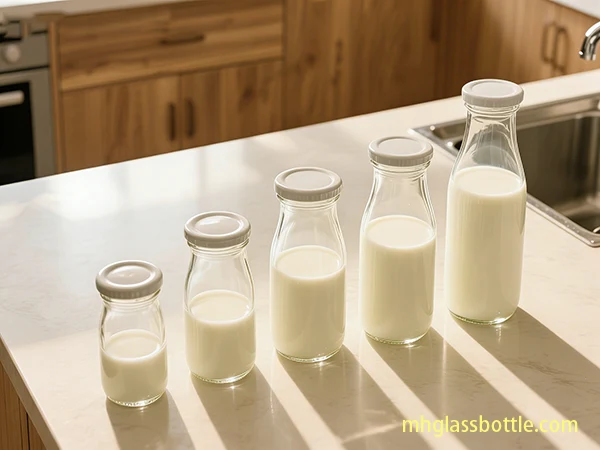
סיכום מנהלים: רכש אסטרטגי של בקבוקי חלב לאופטימיזציה של עלויות
מסמך זה מנתח בפירוט דרכים שבהן חברות יכולות לצמצם הוצאות על ידי יצירת שותפות אסטרטגית עם ספק בקבוקי חלב . לחברות יש את ההזדמנות לא רק לבצע עסקאות אלא גם לעבוד בצורה צמודה עם הספקים כדי להשיג יעילות ברכישות, לוגיסטיקה, ניהול מלאי ותהליך ייצור. חיסכון בעלויות ישירות وغير ישירות ניתן להשיג אם תחבירו ערך מחדשים בתחום בקבוקי חלב זכוכית ומימוש מערכות חדישה. בשל התמקדותם באיכות, ספק בקבוקי חלב Minghang הוא דוגמה מובהקת לאופן שבו ניתן לחזק ולפשט שרשרות אספקה.
היתרון העיקרי s f תכונה:
- צמצום עלויות רכישה ישירות
- לוגיסטיקה ושילוח מאופטימזים
- שילוב ייצור מוגבר
- גישה לטכנולוגיות בקבוקים עמידות חדשות
החברה המשתפת פעולה אסטרטגית עם ספק בקבוקי חלב יכולה להפוך את שרשרת האספקה שלה ממודל רכש ריאקטיבי למודל פרואקטיבי הנע בערכים.
מפת השוק: טיפולוגיות של ספקי בקבוקי חלב והקשר האופרטיבי
אי אפשר להגזים בחשיבות של בחירת ספק בקבוקי חלב, שכן היא משפיעה ישירות על מבנה העלות והיעילות האופרטיבית. ניתן לחלק את הספקים בערך לשלוש טיפולוגיות:
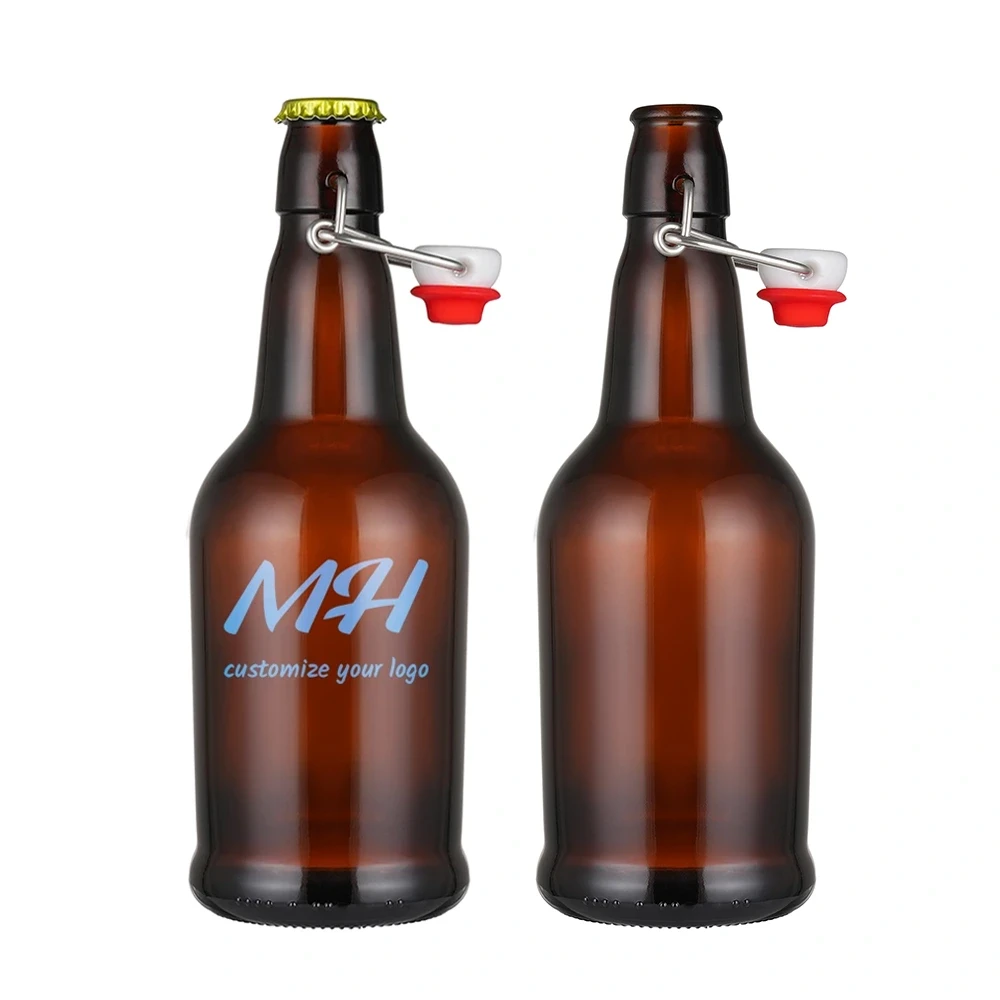
ספקים של בקבוקי חלב מזכוכית
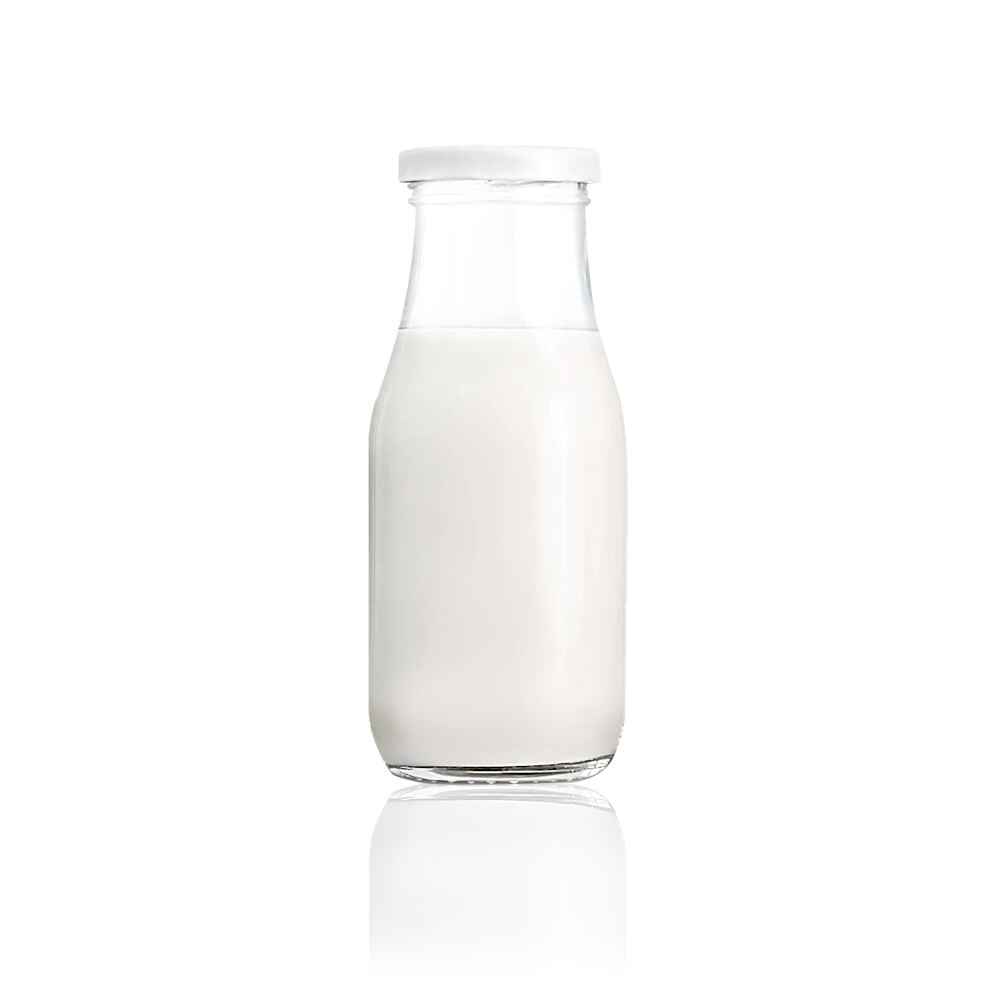
אלה המתמחים באספקת בקבוקי חלב מזכוכית מספקים מוצרים מסורתיים, בני שימוש חוזר ופרימיום. אם כי בקבוקים אלו יקרים יותר במקצת מהגרסאות הפלסטיקיות בשלב הראשוני, הם בסופו של דבר חוסכים על ידי מחזורי שימוש מרובים. יתרונות כוללים:
- עמידים ובלתי תגובתיים
- ידידותיים לסביבה - מהדהדים באופן חיובי על המותג
- ייצור אריזות תואמות למערכות הפצה של מעגל סגור
הבעיות הן, בין היתר, עלות תחבורה מוגברת כתוצאה ממשקל כבד יותר וכן סיכון לנזק במהלך השילוח, מה שדורש תכנון לוגיסטי מפורט. שיתוף פעולה עם ספק זרקי חלב מומחה כמו Minghang מאפשר לעסק לרכוש איכות גבוהה בקבוקי זכוכית עם אספקה יציבה ומוצרים ארוזים היטב.
ספקים לבקבוקי חלב פלסטיים
בדרך כלל ספקי בקבוקי פלסטיק מציעים בקבוקי PET או HDPE עם עלות התחלתית נמוכה יותר. יתרונות כוללים עיצוב קל, טיפול קל ונשיאה זולה יותר. עם זאת, באותו זמן, תקנות סביבתיות ודרישות לקוחות ליישות הן גורמים מרכזיים שתרמו לעלות הכללית לאורך זמן.
מערכות בקבוקי חלב לשימוש חוזר
ספקים מסוימים עלולים אפילו לקחת על עצמם את האחריות למחזור המלא של הבקבוקים, החל מייצור, איסוף, ניקוי ופיזור מחדש. בתמורה להשקעה ראשונית גבוהה יותר, עלות השימוש יורדת דרמטית לאורך זמן. אלמנטים כגון מערכת אמינה של לוגיסטיקה הפוכה, מתקני ניקוי מתאימים במיוחד והתיישבות על יעדי אחריות חברתית של תאגידים במונחי קיימות הם בין הנושאים המרכזיים שיש לקחת בחשבון עבור המערכת הזו. השאלה של חד-שימוש מול רב-שימוש היא חשובה מאוד כשמדובר בעלות: במקרה של חד-שימוש, רוב העלות מועברת לבטלה ולהחלפה, בעוד שבמקרה של רב-שימוש, העלות מתפזרת על פני מספר מחזורי שימוש.
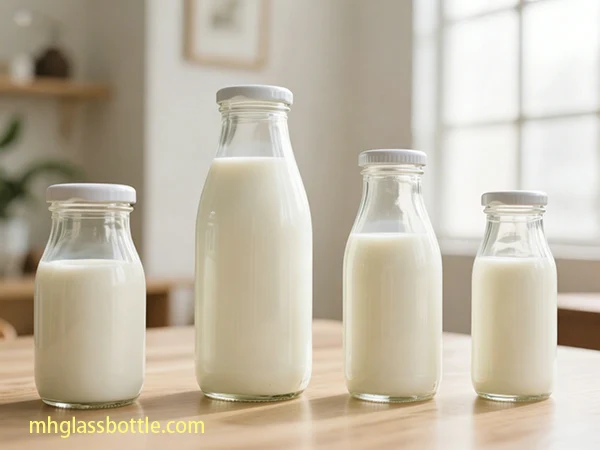
יעילות בעלויות רכש: מניפולציה של יחסי ספקי בקבוקי חלב
ניהול תקין של רכש עם ספק בקבוקי חלב טוב הוא דרך מצוינת לצמצם הוצאות בצורה משמעותית. חלק מהדרכים העיקריות להשיג זאת הן:
- רכישה בכמות גדולה והנחות נפח: הנחות על נפח גדול מתאפשרות באמצעות החוזים לטווח ארוך.
- תמחור משוכנע: התנאים הסופיים יכולים לכלול חוזים במחיר קבוע, הסכמים עלות-פלוס, או תמחור לפי רמות.
- תנאי תשלום לטובכם: תנאי תשלום ארוכים יותר של Net 60/90 משפרים את זרימת המזומנים שלכם.
- איחוד ספקים: בעוד זה מפחית את העומס האדמיניסטרטיבי ולכן מגדיל את ההשפעה, זה גם משחרר זמן עבור משימות חשובות אחרות.
- הנחות על תשלום מוקדם: אם קיימות אופציות כאלה, הן יכולות לספק יתרונות נוספים בחיסכון בעלויות.
טבלה 1. השוואה בין מודלי ספקים של בקבוקי חלב
| סוג ספק | יתרונות | חסרונות | השלכות עלויות |
| ספק בקבוקי חלב מזכוכית | עמיד, ניתן לשימוש חוזר, מראה איכותי | עלויות שילוח גבוהות יותר, סיכון לפציעה | חיסכון ארוך טווח על ידי שימוש חוזר, ערך מותג |
| ספק בקבוקי חלב פלסטיק | קל במשקל, עלות התחלתית נמוכה יותר | דאגות סביבתיות, סיכוני רגולציה | עלות נמוכה יותר בהתחלה, עלויות עתידיות פוטנציאליות |
| מערכות בקבוקי חלב לשימוש חוזר | קיימות, הפחתת עלות לשימוש | השקעה ראשונית גבוהה יותר, צורך בהיגיון לוגיסטי | הפחתת עלות ארוכת טווח, פחות פסולת |
אופטימיזציה לוגיסטית ושרשרת אספקה: צמצום עלויות עקיפות עם ספק בקבוקי חלב
שותפויות עם ספק מוקדש של בקבוקי חלב אינן מוגבלות רק למחיר הקנייה, אלא מאפשרות גם לעסק לחסוך ברוב העלויות העקיפות לאורך שרשרת האספקה. חלק מהאסטרטגיות העיקריות הן:
הפחתת עלויות תחבורה
- נתיבי משלוח מאופטממים: באמצעות מערכות הלוגיסטיקה המתקדמות שלהם, ספקים יכולים לתכנן בקפידה את נתיבי המסירה, כך שלקוחות ירוויחו חיסכון בעלויות אנרגיה ועבודה.
- משלוחים מאוחדים: תהליך איחוד הזמנות שונות למשלוח אחד מוביל להורדת עלות המשלוח לאחת ליחידה.
- קרבה גאוגרפית של הספק: כאשר ספק בקבוקי חלב נמצא בשכונתכם, אתם משלמים פחות על הובלה והמוצרים שלכם מגיעים מהר יותר.
- הפחתת משקל וחיבוי: אריזה מודרנית מאפשרת להצמיד יותר מוצרים על משטח אחד, מה שחוסך בעלויות השipping ליחידה.
ניהול מלאי מופת
- מסירה בזמן אמת (JIT): מסירה לפי דרישה עוזרת בשמירה על מלאי מינימלי ועל כן חוסכים בעלויות אחסון ומשחררים הון חוזר.
- ניהול מלאי על ידי הספק (VMI): במקרה זה, הספק אחראי על בקרת המלאי ותמורה אוטומטית באתרי הלקוח, מה שמבטיח תמיד רמות מלאי אופטימליות.
- הפחתת חוסר במלאי: שותפויות אמינות מפחיתות עצירות ייצור הנגרמות מחוסר בקבוקים.
- שיפורי לוחות זמנים ואמינות מסירה: כאשר הלקוח והספק מתאימים לוחות ייצור ומסירה, הם חוסכים בזמן ובויות ובעלויות.
- הפחתת טיפול ונזקים: הידע של הספק בתעשיית הזכוכית החריפה עוזר בהפחתת שבר ושחיקה, באמצעות משטחות מגנות ונהגים מוסמכים.
אינטגרציה ייצורית והנדסת ערך: צמצום עלותים בשיתוף פעולה
הקשר עם ספק בקבוקי חלב ברמה עמוקה יותר מאפשר ללקוח לשיתף פעולה עם השותף בשלב התכנון ובייצור, ובכך פותח הזדמנויות חדשות לגמרי לחיסכון בעלויות.
פיתוח משותף של מוצרים ואופטימיזציה של העיצוב
- בחירת חומר: השלב הראשון יהיה להבין אילו חומרים יהיו בעלי עמידות גבוהה ומחיר נמוך יותר, כולל פלסטיקים חלופיים או הרכב זכוכית מואפל.
- עיצוב הבקבוק לייצור: שינויים כגון הסרת עקומות לא חייבות, אופטימיזציה של גמר הצווארת וצמצום עובי החומר הלא הכרחי הם חלק מהדרכים שבהן יוכלו המפעלים לייצר בקבוק תוך חיסכון בכספים.
- יוזמות הקלה על המשקל: הדגמה קצרה של רעיון אפשרי לצריכת פחות חומרים בייצור בקבוקים, ובכך צמצום בעלויות הן בחומר הראשוני והן בשילוח, עלולה להמחיש את הרעיון בפני הלקוח.
- סדנאות הנדסת ערך: פגישות שגרתיות אלו, שהן הכרחיות ללקוח ולספק בקבוקי החלב כדי לבחון יחדwise את הרכיבים והתהליכים לצמצום עלות הייצור, נקראות סדנאות הנדסת ערך.
יעילות ייצור משותפת
- הפעלת ציוד: הפיתוח המשותף של ציוד מיוחד יכול להוביל להגברת יעילות הייצור.
- אינטגרציה של בקרת איכות: סטנדרטים של בקרת איכות שיתופיים תורמים להפחתת כמות המוצרים פגומים ועבודות חזרה, ובכך מקטינים את עלויות הלקוח.
- שיפור תהליכים: ספקי שירות יכולים לדייק את תהליכי המילוי, החיבוט והטיפול כדי להאיץ את השורות ולהפוך אותן ליעילות יותר עבור עיצובי הבקבוקים הספציפיים שלהם.
מודלי שותפות והפחתת סיכונים לחיסכון עלותי ניתן להרחבה עם ספק בקבוקי חלב
מבני שותפות שונים מציעים רמות שונות של יתרונות עלותיות וחשיפה לסיכונים.
חוזים לספק מועט על-טווח ארוך
- יתרונות: יציבות מחירים, אספקה מובטחת, הנחות נפח.
- סיכונים: חוסר יכולת להסתגל לשינויים פתאומיים בשוק; לכן, על החוזה לכלול פסיקות יציאה ותיאום מחירים לפי השוק.
עוגנות אסטרטגיות
- יתרונות: שיתוף פעולה מעמיק יותר, פיתוח משותף, שיתוף התפלגות.
- סיכונים: מחייב רמה גבוהה של אמון ואת יישור יעדי האסטרטגיה.
שותפויות עסקיות
- יתרונות: השקעה משותפת במבנים או בתשתיות מחזור, סיכון/תגמול משותף.
- סיכונים: מאוד מסובך ועשוי לגרום לוויכוחים בניהול.
מלאי עצר
- יתרונות: הספק הוא בעלים המלאי עד לשימוש בו, ובכך ירדו עלויות האחסון של הלקוח.
זהו מרקדאון בסיסי ומדגמי.
סיכונים
מעקב תקין הוא חיוני; הספק הוא זה שנושא בסיכון אם המוצר ניזוק או הופך למודרני.
אסטרטגיות הפחתת סיכון
- מקור כפול: החברה תוכל אז להבטיח ספק אחר כגיבוי לצורך אבטחה.
- מדדי ביצועים ו-KPIs: מדידות אספקה, איכות ועלות לצורך مساءוליות.
- תכנון יסודות חירום: תוכניות אספקה שונות כאשר מתרחשת הפרעה.
אמצעי הגנה משפטיים וחוזיים: חוזים מעודכנים היטב שמגדירים בבירור את תחומי האחריות, החבות והזכויות על רכוש רוחני.
חדשנות עתידית בהוצאות: טכנולוגיות חדשות ורכש בר-קיימא עם ספק בקבוקי חלב
מצב האספקה של בקבוקי חלב משתנה במהירות, בעיקר בגלל חדשנות טכנולוגית והצורך הגrowing במוצרים ידידותיים לסביבה. חברות עם חזון עתידי מרגשות טוב בנוגע לשינויים הללו ובמקביל שותפות עם ספק בקבוקי חלב כדי להרוויח מהנחות עלויות, אשר לא רק נמשכות לאורך זמן אלא גם תורמות לשימור הסביבה.
חומרים חומרים מתקדמים
- פלסטיקים מבוססי ביולוגיה: ספק המציע בקבוקים מחומרים שניתן לחדש אותם מסוגל לספק בסיס עלות יציב, שכן מחיר הפלסטיקים התלוי בנפט נתון לתנודות.
- שילוב חומרים מחזירים: הגדלת אחוז החומר המוחזר לאחר צריכה (PCR) בקבוקי חלב מזכוכית תורמת להשגת יעדי קיימות, אם כי בהתחלה המחיר עשוי להיות מעט גבוה יותר.
- הרכבים חדשים של זכוכית: המחקר על בקבוקי זכוכית קלים יותר, חזקים יותר וניתנים למחזור בצורה טובה יותר יפחית בסופו של דבר את עלות החומרים ויקל על ההשפעה הסביבתית.
טכנולוגיות ייצור
- ייצור תוספות (הדפסה תלת-ממדית): הוא תהליך המאפשר עיצוב מהיר ומותאם של בקבוקים להנדסת ערך, ובכך מוביל לצמצום זמן השיווק ולמזער את הפח.
- בקרת איכות ממונעת ב-AI: זיהוי פגמים בזמן אמת לאורך התהליך הייצור מסייע בהפחתת שיעורי הפסד ודואג כי איכות בקבוקי זכוכית של חלב תישאר ברמה קבועה.
- רובוטיקה ואוטומציה: טכנולוגיות אוטומציה מתקדמות אחראיות לצמצום עלויות כוח אדם והגדלת הקיבולת, כך שיצרן בקבוקי הצלח יכול להחזיר את החסכונות לש đốiים.
Actices של הובלת בר קיימא
- מערכות מחזור סגורה: שיתוף פעולה עם ספקי בקבוקי חלב שמעורבים בתוכניות מחזוריות עגולות הוא דרך להבטיח אספקה של חומרים מחזוריים שאינה רק יציבה אלא גם יעילה מבחינה עלותית.
- הקטנת הרגל הפחמן: אלה הספקים שמושיבים את הכסף שלהם באנרגיה ממקורות מתחדשים ובשיטות ייצור חוסכות אנרגיה, הם אלו שמפחיתים עלויות תפעוליות לאורך זמן.
- אופטימיזציה של צריכה של מים: באמצעות שימוש בשיטות חדשות וחדשניות של ניקוי ותהליך ייצור ניתן להפחית משמעותית את הצריכה של מים, ובכך לצמצם עלויות שירותים ולשפר את העמידות.
דיגיטליזציה וניתוח נתונים
- פלטפורמות לשקיפות בשרשרת האספקה: היכולת לעקוב בזמן אמת לא רק אחר הייצור, אלא גם אחר המלאי והמסירות משפרת במידה רבה את תחזית הביקוש ולכן מסירה משלוחים דחופים יקרים.
- אנליטיקה חזוויית: ניתוחים מורכבים נותנים לספק בקבוקי חלב וללקוח את היכולת לעמוד לפני כל הפרעה בשרשרת האספקה, ובכך להבטיח מחירים יציבים ומסירה בזמן.
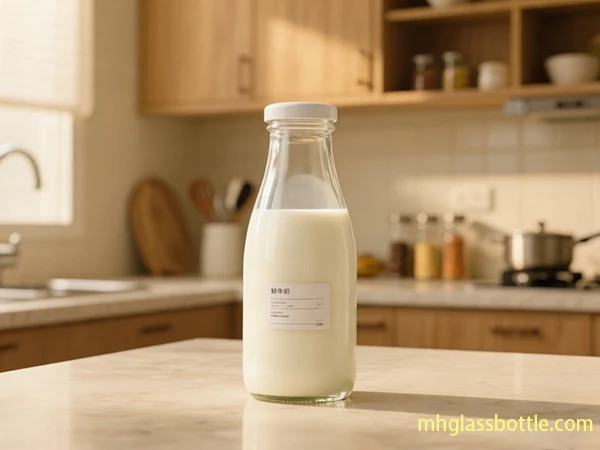
ממצאים אסטרטגיים: מניעת יתרון עלות באמצעות שיתוף פעולה עם ספק בקבוקי חלב
חברות הפועלות בקשר צמוד עם ספק בקבוקי חלב נמצאות בעמדת יתרון אסטרטגי שמאפשר להן ליהנות מיתרונות שונים, כגון:
- חסכון באספקה ישירה: באמצעות הנחות כמותיות שנוצרות באמצעות רכישה בכמויות גדולות, מדידת KPI לדגמי תמחור ואופטימיזציה של תנאי תשלום.
- יעילות לוגיסטית: העלויות השינוע מופחתות באמצעות אופטימיזציה של מכולות, מסירה לפי זמני JIT וצמצום שבר בעזרת אריזה או שיטות טיפול משופרות.
- אופטימיזציה של עיצוב וייצור: פיתוח משותף של מוצרים חדשים שפשוטים וזולים יותר לייצור, וכן מציגים ביצועים טובים יותר ותכונות ערך מוסף.
- קיימות וערך המותג: שימוש בבקבוקי חלב מזכוכית בני שימוש חוזר או מחומרים מחזוריים תורם ל אחריות החברתית של הארגון ומשלב צרכנים בעלי דאגה לסביבה.
- שרשרת אספקה עמידה בעתיד: השימוש בחומרים מתקדמים, אנליטיקת בינה מלאכותית ופלטפורמות דיגיטליות לא רק יעזרו בהתאמה לשוק המשתנה אלא גם יפעלו כמגן מפני מצבים לא צפויים.
הערות סופיות
לשוק הספקים של בקבוקי חלב יש הרבה יותר מהווית העסקאות הפשוטות. ברור שחברות מחשבות קדימה מבינות את היתרונות של שיתוף פעולה מעמיק ולכן הן הופכות ספקים לשותפים שעוזרים להן להשיג חדשנות, עמידות ומצוינות תפעולית. בנוסף, שימוש בבקבוקי חלב מזכוכית וחומרים מתקדמים יכול להביא לאופטימיזציה של עלויות וכן לשיפור המראה של המוצר ולשמירה על הסביבה. באמצעות הצלת השילוב בהבטים והטכנולוגיות שהוזכרו בפסקאות שלעיל, חברות יוכלו ליצור יתרון تنافיתי שמגיע ממיקור ועד למסירה, וכך הן יוכלו להפחית עלויות, להגביר יעילות ולשמור על המטרות האסטרטגיות שלהן לאורך זמן.
תוכן העניינים
- סיכום מנהלים: רכש אסטרטגי של בקבוקי חלב לאופטימיזציה של עלויות
- מפת השוק: טיפולוגיות של ספקי בקבוקי חלב והקשר האופרטיבי
- יעילות בעלויות רכש: מניפולציה של יחסי ספקי בקבוקי חלב
- אופטימיזציה לוגיסטית ושרשרת אספקה: צמצום עלויות עקיפות עם ספק בקבוקי חלב
- אינטגרציה ייצורית והנדסת ערך: צמצום עלותים בשיתוף פעולה
- מודלי שותפות והפחתת סיכונים לחיסכון עלותי ניתן להרחבה עם ספק בקבוקי חלב
- חדשנות עתידית בהוצאות: טכנולוגיות חדשות ורכש בר-קיימא עם ספק בקבוקי חלב
- ממצאים אסטרטגיים: מניעת יתרון עלות באמצעות שיתוף פעולה עם ספק בקבוקי חלב