EN
EN AR
AR BG
BG HR
HR CS
CS DA
DA NL
NL FI
FI FR
FR DE
DE EL
EL HI
HI IT
IT JA
JA KO
KO NO
NO PL
PL PT
PT RO
RO RU
RU ES
ES SV
SV TL
TL IW
IW ID
ID LV
LV LT
LT SR
SR SK
SK SL
SL UK
UK VI
VI HU
HU TH
TH TR
TR FA
FA GA
GA LA
LA MI
MI MN
MN

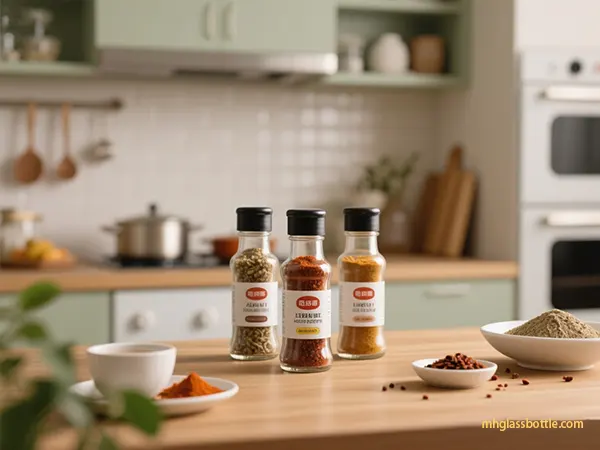
Vasa pro condimentis plus quam simplex vascula sunt - nexus quidam in catena suppeditandi cibi sunt. Sive vitrea sive plastica, vasa condimentorum empta in grossis integritatem servat, iura complentur, et imaginem marcae formant. Emptoribus B2B optimatio custodum pro vasculis condimentorum necessaria est ad lucrum conservandum dum crescentes desideria consumerum ad qualitatem, stabilitatem et fortitudinem satisfaciuntur. Hoc opus notat praeclara consilia de emptione maiorum vasorum condimentorum, adaptatione voluminis, optionibus contenti et formae, negotiationibus cum suppeditatoribus, quaesitu universali, logistica, moderatu periculi et technologiae coniunctione. Negotiis arcte adhibentibus rationem structuralem empti significantes custodes minui possunt, praebitoribus potest relationes confirmare et strategias earum in posterum comprobare.
Quantitatis et specificationis emptio analysim
Scale Unlocking Economies
Via directissima ad minuendos libros propter vasa aromatum est per magnitudinem empti. Maiora iussa saepe in minoribus pretiis in singulis. Cognitio rationis inter volumen annuum empti et necessitatibus in emptione voluminis permittit emptoribus grossis ut habeant pretia et remissiones voluminis.
Praevidere Necessitatem Accurate
Praevisio necessitatis exactae ex praeteritis rationibus venditionis iuvat negotiatores ad parendum iussa pro vasis aromatum cum sumptibus in magazino. Nimia supellex auget sumptus magazinorum, dum propter iussa ad minuendum mercimoneum ad altiora pretia et iussa ad minuendum iussionem subitaneam.
Combinatae Sumptus Altos
Identificatio categoriarum specierum et magnitudinum vasi quae sumptus maximos efficiunt, ut sibi impetrare possint occasiones conservationis pecuniae. Exempli gratia, si 70% dispensio in vasis 100 ml vitrei specierum versatur, potest esse magnum uti de profundo pretio in eo certo SKU colloquatur.
Habitus cum Suppeditantibus et Consilia de Colloquio
Fortis Suppeditantium Participatio in Aedificatione
Societas diuturna cum suppeditantibus vasorum specierum occasionem aperit praecipuis praemiis, primis in productione et solutionibus flexibilioribus. Saepe suppeditantes libentius fides vel optiones accommodatas pro fidelibus emptoribus et magnis quantitatibus aperiunt.
Potestas Negotiandi
Negotiatonem de vasis specierum non solum de pecuniae quantitate agere. Emptores debent se convertere ad:
- Meliora condiciona solutionis sese adipiscendi (exempli gratia, dies 60–90 net).
- Vasorum et operculorum congregatorum emptio ad minuendos sumptus.
- Maiori numero emptorum uti pro aditu ad novas formas vel moldes accommodatas.
Pactio Regularis
Contractus bene structi dubitationem minuunt et praedictabilitatem augent. Elementa necessaria continent:
- Contractus pretii fixi (FFP) ad stabilitatem.
- Clausulas adiustamenti pretii ad regendum fluctuationem materiae primae.
- Praesidium vis maioris.
- Gestio riscorum monetariorum.

Optimizatio Materialis et Designii Bottles Specierum
Vitrum contra Plastica Bottles Specierum
Commoda et onera utriusque vitrei et plastici specierum sunt consequentia:
- Bottles specierum vitrei :materias primas et energias altiorem pretium, franguntur levi offensione, sed hermeticum signum, odorum resistentiam et elegantiam praebent. Aurantiaca tincta vasa Vitrea praebet protectionem UV, prolongando tempus valitudinis.
- Fragilla plastica pro condimentis: leve, durabile et saepe vilius, licet effectus ex specie materiae fiant. PET et HDPE populares sunt ob pretium modicum et recyclabilitatem.
Designium Levis et Durabile
Vitrum leve minorem usum meliorum materiae primae requirit et minorem mercedem vehendi pro technologia et plastico. Praeterea, usus magnae partis materiae recyclatae in fragillis vitreis pro condimentis stabilitatem fovet et competitivitatem RPET in plasticeis servat.
Innovatio in Designatione Functionali
Rationes callidae, ut formae simpliciores, orae collo standardizatae et systemata clausurae ad mensuram facta, adiuvant in aequilibrio inter usum, stabilitatem et vilis.
Aestimatio Compituum Suppeditandi et Canalis Emptionis
Emptio directa a manufactoribus
Emptio directa minimum pretium pro singulis unitatibus praebet pro fragillis condimentorum, quia intermedii tolluntur. Tamen, requirit gestionem logisticae, certitudinem qualitatis et altiora MOQs.
Distributores et Mercatores
Distributores praebent commoda ut sunt:
- Breuior tempus praeparandi.
- Flexibilitas minoris ordinis.
- Minutae custodiae emptoris.
Licet pretia unitatum pro vasis specierum esse possint altiora quam cum emptione directa, distributores praebent valentem commoditatem.
Forum Online
Plataeformae online aditum ad multos suppeditantes augent, comparationem facilem valorum et minui pretia permissurae. At tamen emptores debent esse responsabiles pro tempore navigationis separato, qualitate inconstante et occultis impensis.
Strategia Emptionis Hibrida
Modus emptionis hibridi saepe optimus est:
- Emere directe species et vasorum magnae quantitatis.
- Distributor aut emporium online pro parvis, ordinibus specialibus.
Auctus Geographicus et Optimizatio Logistica
Magnus Emporium Fabrilis
Emporium orbis terrarum pro productione matthiola includit:
- Sinae et India: Pretia aemula propter minores mercedis operarum et validam vim fabricandam.
- Europa Orientalis et Mexicum: Fornices crescentes cum brevi tempore ad ultimum mercatum Occidentis.
Tarifae et Pacta Commercialia
Tarifae adimpositae, leges mercatoriae, et politicae geographicae mutant costum matthiola. Emptores debent observare pacta ut RCEP, USMCA, et conventiones mercatoriae Unionis Europaeae ad constituendam electionem mercis.

Logistici Custodiae Moderatio
Onus navium pro vasis aromatum pendet ex regione et modo vehendi. Sunt hae artes:
- Navium congregatione.
- Usurae itineris multimodalis.
- Ut campis commercii liberis et horreis adfinitatis utamur.
Propinquae et reiectae
Transitus brevis nunc temporis minuit et transvectiones limitis coercet, dum restitutio seriei suppellectilis potestatem rei gerendae auget. Firmae paulo plus quam singulis rebus solvere possunt, sed emolumentis totius custodiae (TCO) fruuntur.
Artis Connexae et Perpetuae Repercussio
Novae Res et Inventiones Compaginis
Vasa perpetui aromatis sunt eiusmodi:
- RPET (plasticum recyclo pet).
- Saccus compostabilis vel biodegradabilis.
- Tubuli ex carta.
- Plica ex solo materiali ad recyclo simplificandum.
Automation et Quality Control
Automatizatio in vasis specierum efficit fabricandi rationem et minuit operariorum sumptus. Systema inspectionis inter AI et manuale vitat vitia, dum tamen imprimendi digitalis in tabellis perditas resolvit.
Certificatum et Pretium Nominis
Adoptare certificata ut B Corp vel Cradle to Cradle meliorem statum nominis et fiduciam consummatorum fovet, longinquum mercati sustentaturum.
Moderatio periculi et flexibilitas supply chain
Diversificatio Fornacorum
Pendere ex pluribus fornacibus pro vasis specierum in locis, periculum interruptionis localizatae minuit, ut sunt clades naturales aut inconstantia politica.
Consilium Contingens
Principales strategiae includunt:
- Fabricae substitutionariae.
- Instrumenta duplicata.
- Magazinus strategiae.
- Analysis futura pro schemate desiderii.
Securitas Financiaria et per Munera
Praecavendo contra praesidium mercis maritimae, clausulas de qualitate et vasa piperis.

Visibilitas Digitalis de Rebus Supersunt
Adhibendo praesentis temporis observationem et sarcinas sapientes visibilitas augetur, pericula minuuntur et praedictionis exactitudo firmatur.
Praesagium Postulationis et Consilium Emptionis
Officium Praesagii in Affectuum Aestimatione
Postulatio accurata fundamentum est ad emptionem peritam praesagii. Praedictiones certae de matulis condimentorum reducunt et inopiam et superabundantiam.
Praesagia Rationis Progressa
AI et machinae discens ex usu antiquarum venditionum et tendentibus mercati praedicit postulationem futuram. Haec instrumenta adiuvant optimizare programma emptionis pro matulis condimentorum.
Integrandum Data ad Emptionem Sapientem
Coniunctio antiquorum emptionum datorum, praetiorum condimentorum et auctoritate suppeditantis ducit ad praesagium verius. Concordia inter praesagium emptoris et capacitatem suppeditantis efficit aequilibrium emptionis flexibile.
Conclusio: Futurum Emptionis Matulorum Condimentorum
Emptio vasis aromaticis strategiam multiformem requirit ad optimizandum: volumina augenda, materiem idoneam eligendam, negotiationes cum fornacibus roborandas, et novas technicas amplectendas. Emptores qui in sententias suas stabilitatem, praedictionem et periculorum moderationem introduxerint, lucrum diuturnum et praerogativas certaminis tuebuntur. Quia industria cibaria proficit, vasa aromatum pro integritate producti, fide consumeris et positione marcae sunt cardinalia. Ea quae nunc ratione agunt non solum sumptus empti minuent, sed etiam suam flexibilitatem in complicate ac velocissima orbis supply chain roborabunt.
Index Rerum
- Quantitatis et specificationis emptio analysim
- Habitus cum Suppeditantibus et Consilia de Colloquio
- Optimizatio Materialis et Designii Bottles Specierum
- Aestimatio Compituum Suppeditandi et Canalis Emptionis
- Auctus Geographicus et Optimizatio Logistica
- Artis Connexae et Perpetuae Repercussio
- Moderatio periculi et flexibilitas supply chain
- Praesagium Postulationis et Consilium Emptionis
- Conclusio: Futurum Emptionis Matulorum Condimentorum