EN
EN AR
AR BG
BG HR
HR CS
CS DA
DA NL
NL FI
FI FR
FR DE
DE EL
EL HI
HI IT
IT JA
JA KO
KO NO
NO PL
PL PT
PT RO
RO RU
RU ES
ES SV
SV TL
TL IW
IW ID
ID LV
LV LT
LT SR
SR SK
SK SL
SL UK
UK VI
VI HU
HU TH
TH TR
TR FA
FA GA
GA LA
LA MI
MI MN
MN


In de B2B groothandel is het van groot belang om de juiste leveranciers van glazen flessen te kiezen. Dit heeft direct invloed op de productkwaliteit, de stabiliteit van de supply chain, kostenbeheersing en zelfs het imago van het merk.
Weet welk type Glasfles Heb je
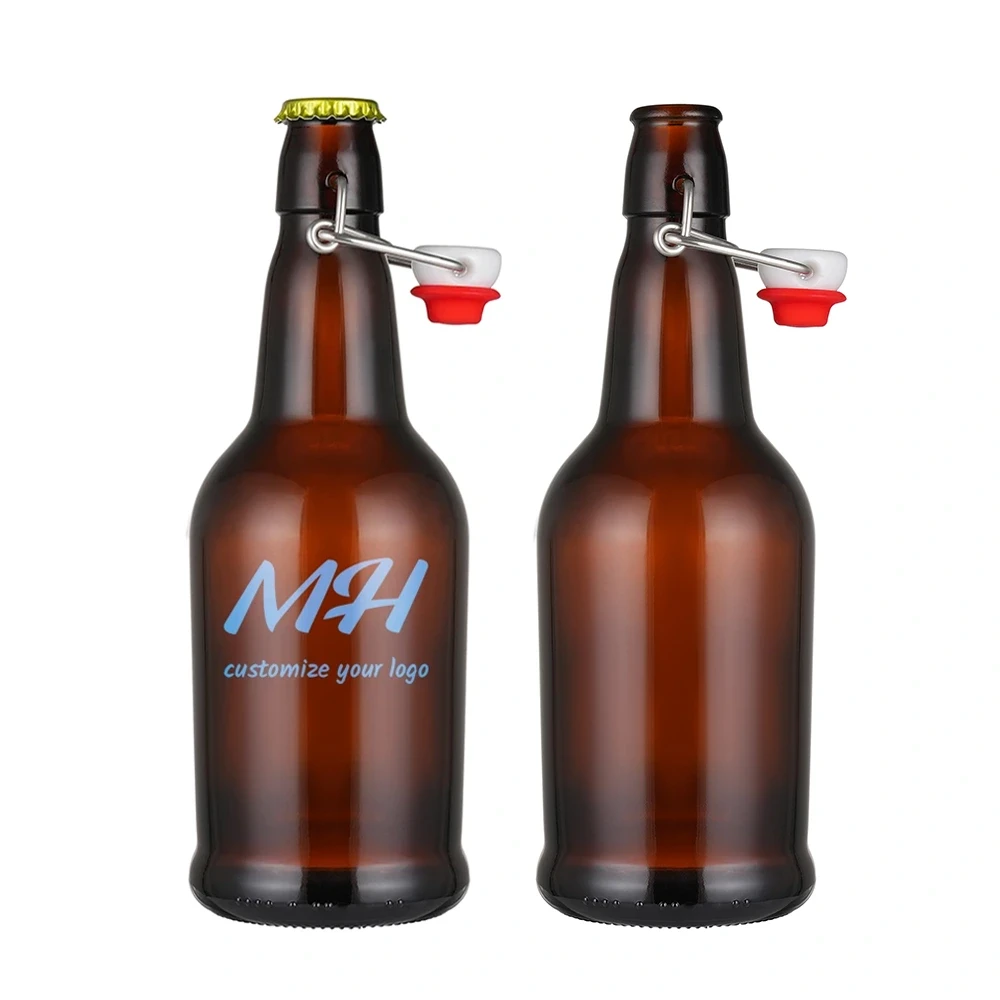
Voordat u op zoek gaat naar een leverancier van glazen flessen , moet u eerst de behoeften van uw product en de vereisten van uw specifieke fles begrijpen. Denk bijvoorbeeld aan de gewenste inhoud van de fles, gewenste afmetingen en kleur. Ook het ontwerp van de hals moet worden overwogen, omdat dit van invloed is op de compatibiliteit met deksels en vulapparatuur.
Houd ook rekening met het geschatte jaarlijks benodigde aantal flessen en de regio's waarin geleverd moet worden. Kwaliteit en materiaalcertificering zijn eveneens van groot belang. Flessen voor voedseldoeleinden moeten bijvoorbeeld voldoen aan de relevante veiligheidsnormen om veilig gebruik te garanderen.
Kwaliteit moet gegarandeerd zijn
Dit zijn de regels hieronder. Houd rekening met het percentage productdefecten van de leverancier, ideaal gesproken onder de 1%. Daarnaast dient men het aanvaardbare kwaliteitsniveau (AQL) te overwegen, met name voor ernstige defecten, ideaal gesproken geen enkel. Leveranciers met ISO 9001-certificering hebben over het algemeen een uitgebreid kwaliteitsmanagementsysteem, wat de kwaliteit vanaf de grondstoffen tot het eindproduct waarborgt.
Voldoende productiecijfer
De leverancier moet in staat zijn om aan uw jaarlijks vraag te voldoen zonder vertraging. Een korte levertijd stelt u in staat om snel op marktschommelingen te reageren en de voorraadkosten te verlagen.
Punctuele en volledige levering is belangrijk
Dit betekent dat leveranciers kunnen garanderen dat de goederen op tijd en in de benodigde hoeveelheden worden geleverd. Een goede leverancier kan dit percentage behalen van 95% tot 99%. Daarnaast dient men de financiële gezondheid van de leverancier in overweging te nemen; financiële instabiliteit kan leiden tot problemen in de toeleveringsketen.
Ten slotte moet men ook rekening houden met de innovatieve mogelijkheden van de leverancier, zoals het vermogen om lichte flessen te produceren, speciale ontwerpen aan te passen of intelligente technologieën te gebruiken om zich aan te passen aan de productie. Milieu-aspecten, zoals certificaten en het vermogen om koolstofuitstoot te verminderen, worden steeds belangrijker. Uiteraard zijn ook de responsiviteit van de leverancier en de snelheid van de servicehouding belangrijke aspecten.

Strategische Fit
Een strategische vergelijkende analyse van potentiële glazen flessenleveranciers vereist een grondige evaluatie van hun mogelijkheden om te bepalen of deze overeenkomen met uw gedefinieerde eisen. Dit gaat verder dan een eenvoudige checklist; het betreft het beoordelen hoe de sterktes van elke leverancier aansluiten bij uw specifieke flesbehoefte, volume-eisen, kwaliteitsnormen en logistieke voorkeuren.
Milan Supporter Kenmerken Vraag
Bijvoorbeeld, als uw product een unieke flesgrootte of complexe decoratie vereist, kunnen leveranciers die bekend staan om high-end en op maat gemaakte designs beter geschikt zijn, hoewel dit mogelijk gepaard gaat met hogere kosten. Daarentegen, voor grote volumes en standaardflessen kunnen wereldspelers met grotere productiecapaciteit gunstigere prijzen en een betrouwbaarder aanbod bieden.
Overweeg geografische service-industrie
Als uw doelverdelingsgebied Noord-Amerika is, kan een Europese leverancier met een sterke lokale productievoorziening voordelen bieden wat betreft levertijd en verzendkosten in vergelijking met een leverancier met een sterke lokale productievoorziening, zelfs als deze laatste een distributienetwerk in de regio heeft. In tegenstelling hiermee kunnen leveranciers met uitgebreide lokale netwerken en recyclecentra voor Europese distributie een aanzienlijk voordeel bieden.
Buiten de kernproducten kunt u ook de prijs in overweging nemen van toegevoegde diensten. Bieden zij aangepaste verpakkingen, glaswerk met merknaam of een vereenvoudigd retourproces? Deze diensten kunnen de algehele efficiëntie van uw supply chain en de zichtbaarheid van uw merk aanzienlijk verbeteren. Voor bedrijven met een sterke consistentie-eis is het vermogen om uitgebreide milieuprestatieverklaringen (EPD) of cradle-certificeringsproducten aan te bieden, steeds belangrijker geworden. Dit sluit aan op certificaten voor groen bouwen en de grenzen van ingesloten koolstof. Deze gedetailleerde vergelijking geeft een fijnere inschatting van de strategische geschiktheid van elke leverancier, waardoor u verder kunt gaan dan oppervlakkige vergelijkingen en partners kunt identificeren die werkelijk aansluiten bij uw bedrijfsdoelstellingen. Minghang glasflessen flexibel hun sterktes aanpassen aan de unieke behoeften van elk bedrijf op een flexibele manier, een goede strategische fit behalen met een breed scala aan bedrijven en voldoen aan diverse partnerschapvereisten.
Sluit een overeenkomst af met de leveranciers van glazen flessen en breng een goed partnerschap tot stand
Bij het ondertekenen van een contract met een leverancier van glazen flessen is het belangrijk om duidelijk af te spreken om een lange, stabiele samenwerking en een gestandaardiseerd opnameproces op te zetten.
Vereiste contractgegevens
Prijzen en betalingsmethoden moeten duidelijk worden vermeld. In het bijzonder moeten de intellectuele eigendomsrechten voor maatwerk matrijzen duidelijk worden gedefinieerd om eenvoudig kopiëren te voorkomen. Daarnaast moet de kracht, kwaliteitsborging, contractverlenging, distributie- en verzendgegevens en de procedures voor toepassbare wetten en regelgeving allen duidelijk zijn.
Geschikt leveranciersbeheer bij de opname
Begin met het volledig onderzoeken van de mogelijkheden, financiële situatie en nalevingsstatus van de leverancier en verzamel relevante certificaten en overeenkomsten. De communicatie moet duidelijk zijn, zodat beide partijen elkaars verwachtingen begrijpen. Digitale platforms kunnen worden gebruikt om de efficiëntie te verbeteren en nauwkeurige informatie te garanderen.
Vaardigheden voor een lange samenwerking
Werk samen met leveranciers, los problemen gezamenlijk op en betrek hen bij uw plan. Houd een constante communicatie en wederzijds respect. Beoordeel regelmatig de prestaties van de leverancier, geef feedback en werk samen aan doelstellingen voor voortdurende verbetering. Tijdens het gesprek kunt u langdurige samenwerking inruilen voor stabiele prijzen. Beoordeel regelmatig de contractvoorwaarden en pas deze aan bij marktveranderingen.
Glasfles Stappen naar Succes in Samenwerking met Leveranciers
Van het selecteren van glasflesleveranciers tot de formele vormgeving van het partnerschap, hebt u een plan en een stapsgewijze aanpak nodig. Dit vermindert risico's en maximaliseert de voordelen.
Stap 1: Eerste Contact en Onderzoek
Beoordeel eerst de prestaties van bestaande leveranciers. Voor nieuwe leveranciers dient u een uitgebreid onderzoek uit te voeren, inclusief een bezoek ter plaatse en inzicht in hun financiële situatie. Schrijf vervolgens een gedetailleerde eisen specificatie op basis van uw vereisten en stuur deze naar de leverancier.
Stap 2: Evaluatie en Selectie
Vergelijk leveranciers aan de hand van de totale eigendomskostenstructuur, niet alleen op basis van de prijs, maar ook op verborgen kosten. Test voor grote orders eerst monsters en voer productie in kleine series uit om te bepalen of de leverancier aan uw eisen kan voldoen.
Stap 3: Contract ondertekenen en opnemen in het systeem
Het contract moet duidelijk regels bevatten over de intellectuele eigendomsrechten, force majeure en andere aangelegenheden. Volg het opnameproces en voer de gegevens van de leverancier in uw beheersysteem in. Om de kans op problemen in de leverketen te verkleinen, kunt u ook een back-upleverancier identificeren.
Stap 4: Continu beheer en aanpassing
Bekijk regelmatig leveranciers om hun prestaties te beoordelen en vast te stellen of zij op tijd en in voldoende hoeveelheden kunnen leveren, en of er sprake is van overmatige defecten. Stel verdere plannen op voor onvoorziene situaties, zoals fabriekssluiting of logistieke verstoringen. Verzoek leveranciers om milieugegevens te verstrekken om naleving van relevante regelgeving te garanderen. Werk samen met leveranciers aan innovatie en productontwikkeling om de samenwerking te verdiepen.
Toekomst van leveranciers van glazen flessen
Leveranciers van glazen flessen ontwikkelen zich voortdurend; innovatie en milieubescherming zijn twee belangrijke trends. In de toekomst zullen leveranciers niet alleen fabrikanten zijn, maar ook strategische partners.
Voortdurende technologische vooruitgang
Kunstmatige intelligentie en Internet of Things zullen snel worden ingezet om productie te optimaliseren, kwaliteit te verbeteren en uitvaltijd te verminderen. 3D-printen zal snelle prototypen en specifiekeere flessen mogelijk maken. Robotica zal eveneens snel worden ingezet in de productie om efficiëntie te verbeteren en veiligheid te garanderen. Blockchain-technologie kan ook worden gebruikt om producten te volgen en de transparantie in de supply chain te vergroten.

Toenemende prioriteit voor milieubescherming
Er zal meer gerecycled glas worden gebruikt, omdat dit de energieconsumptie en koolstofemissies vermindert. We zullen ook manieren onderzoeken om meer milieuvriendelijke energiebronnen, zoals waterstof, te gebruiken. Flessen zullen ook lichter worden gemaakt, waardoor het gebruik van grondstoffen en koolstofemissies tijdens transport afnemen. Herbruikbare glazen flessen zullen ook gebruikelijker worden, wat beter aansluit bij het concept van een circulaire economie. Leveranciers zullen ook relevante milieucertificaten aanbieden en zich inzetten voor het verminderen van koolstofemissies.