EN
EN AR
AR BG
BG HR
HR CS
CS DA
DA NL
NL FI
FI FR
FR DE
DE EL
EL HI
HI IT
IT JA
JA KO
KO NO
NO PL
PL PT
PT RO
RO RU
RU ES
ES SV
SV TL
TL IW
IW ID
ID LV
LV LT
LT SR
SR SK
SK SL
SL UK
UK VI
VI HU
HU TH
TH TR
TR FA
FA GA
GA LA
LA MI
MI MN
MN

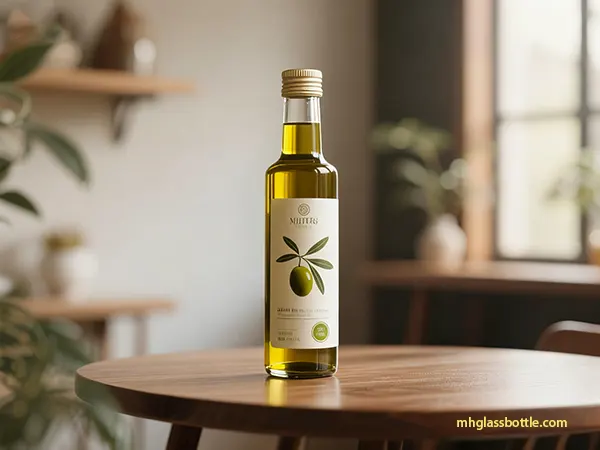
Na današnjem zelo konkurenčnem trgu olivnega olja je izbira embalaže – zlasti posoda za olivno olje pomemben dejavnik, ki vpliva na kakovost izdelka, dojemanje blagovne znamke in operativno učinkovitost. Ustrezna embalaža ohranja edinstven okus, vonj in prehransko vrednost olivnega olja ter zagotavlja priročno rokovanje in distribucijo. Vse pogosteje se proizvajalci in dobavitelji zanašajo na visokokakovostne steklene kanastre za olivno olje, ki uravnovešajo stabilnost, skladnost z regulativami in ekonomičnost, hkrati pa omogočajo premium pozicioniranje. Razvoj embalaže za olivno olje odraža razširjen trend v prehrambeni industriji. Čeprav so plastične in limeninske možnosti priljubljene na nekaterih trgih, steklene steklenice in steklene posode dominirajo na področju premijskega maloprodaje zaradi svoje kemijske inertnosti, lastnosti preprečevanja prehajanja kisika ter vizualne privlačnosti. Poleg tega industrijski sektor in sektor gostinskega poslovanja raje uporabljata poceni, cenovno učinkovite konzerve za oljčno olje, ki so sposobne obravnavati velike količine in zmanjševati okvare. To poročilo ponuja celovit pregled strateških idej pri izbiri posod za oljčno olje, ocenjevanju materialov, optimizaciji stroškov dobavne verige in stabilnosti. Dodatno razkriva ukrepe, ki jih je mogoče uresničiti, da bi maksimalno povečali učinkovitost, zaščitili integriteto izdelka in okrepljeno položaj blagovne znamke, še posebej z naglasom na premijskih možnostih, kot je predstavljena steklena posoda za oljčno olje od Minghang .
Določitev operativnih potreb: uporaba in letni volumen
Izbira posode za oljčno olje temelji predvsem na njeni glavni uporabi in pričakovanem letnem volumnu. Neujemanje med tipom posode in obratovalnimi zahtevami lahko povzroči povečanje stroškov, izgubo izdelka in slabšo percepcijo blagovne znamke.
Tržni trg
Maloprodajni potrošniki poudarjajo lepoto, udobje in rok uporabnosti. Posebne velikosti embalaže segajo od 250 mL do 1 L. Za ohranjanje vizualne privlačnosti in preprečevanje oksidacije se običajno uporabljajo materiali, kot so temna steklena stekla, visokokakovostni pocinkani jekleni lim in visoko kakovostni barierni PET.
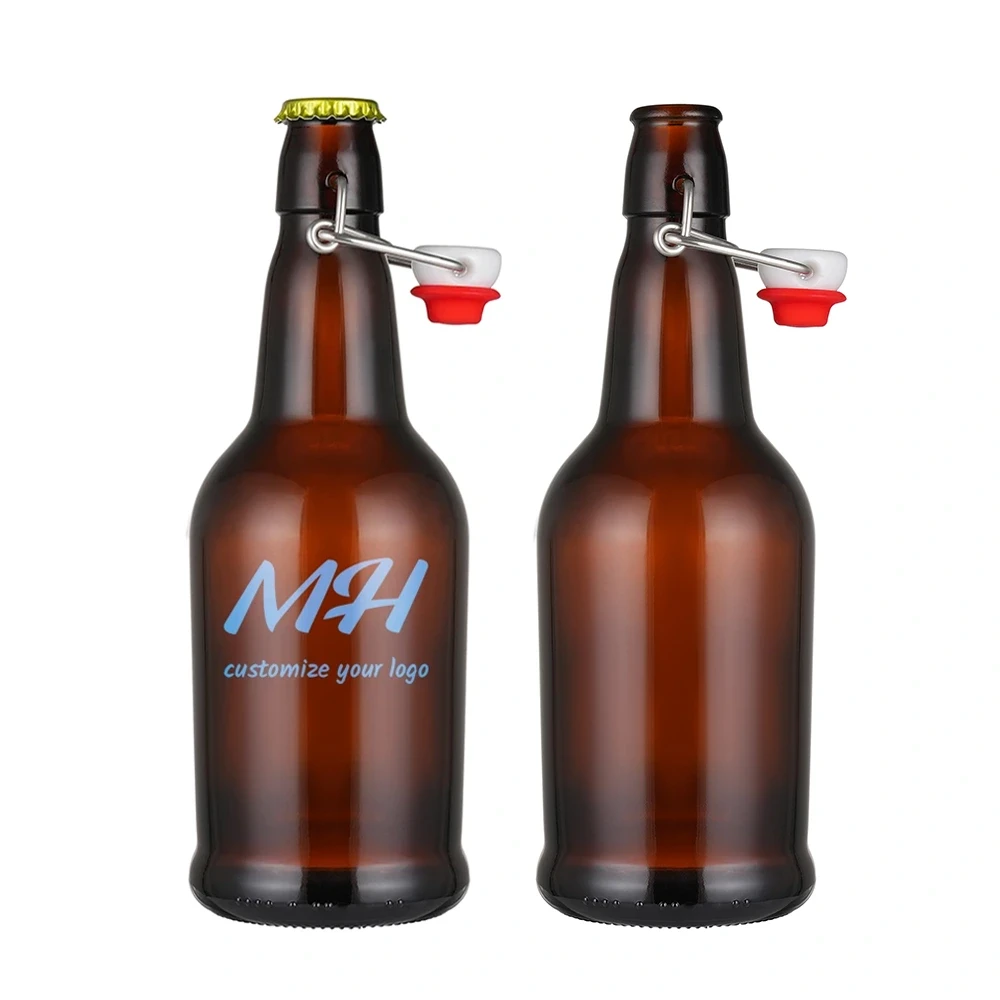
- Premium primer: Steklenka za olivno olje iz temnega jantarnebarvnega stekla ohranja okus in zagotavlja eleganten videz.
- Delovni vidiki: Livanje, ergonomska oblika in enostavno zapiranje so pomembni.
Hranilništvo (restavracija, kavarna, kuharske storitve)
Komercialna kuhinja zahteva trdnost, enostavno rokovanje in veliko zmogljivost (3 L - 10 L). Pogosto se uporabljajo trdni pocinkani limi, nerjaveče jeklo in sistemi vrečka-v-škatli (BIB).
- Primeri: 5-litrski pocinkani limeni zabojnik z integrirano žlico in ročajem omogoča hitro dostavo in trdnost v kuhinjah z visoko obremenitvijo.
- Razmislek o stroških: Stroškovna učinkovitost je pomembna, embalaža pa mora biti večkratno uporabna ali enostavno odstranljiva z najmanjšim količino odpadkov.
Industrijsko (oskrba s sestavinami)
Industrijski obrati pogosto upravljajo z verzijami od 20 L do 1000 L, kar zahteva največjo ekonomičnost in močno varnost. Meditacija je v smislu mehanske trdnosti, kemične inertnosti in masovnega prenosa, ne estetike.
- Primer: 1000-litrski IBC-i ali veliki jekleni sodi so zasnovani za skladiščenje v bobnih in rokovanje s vilicnim tovornjakom.
- Posledice za stroške: Zmanjšanje stroškov na liter je prednostna naloga; estetika ni pomembna.
Drobnoprodajni prodajni posel (poslovne operacije)
Operacije, ki ponavljajo olivno olje v majhnih enotah, raje uporabljajo cenovno učinkovito in zaščitno embalažo. Isto velja za velike sode ali konzerve z olivnim oljem, ki so standardne kot industrijske oblike.
- Primer: 200-litrski jekleni sod se uporablja za polnjenje v majhne steklene steklenice ali steklene sklede.
- Poslovnice posledice: celovitost izdelka, učinkovitost prenosa in čim nižji stroški embalaže so pomembni za ohranjanje marže.
Letni vpliv količine
Letni volumen neposredno vpliva na učinke obsega:
- Nizka količina: rešitev s police je dovolj; visoka cena na enoto je sprejemljiva zaradi prilagodljivosti.
- Srednji volumen: Možne so boljše cene in polovične rešitve.
- Visok volumen: Ustrezen je naročila izdelava kalupov, specializirano tiskanje in avtomatizirane linije za polnjenje, kar omogoča neposredno nabavo in velike popuste.
Zahtevana je natančna napoved. Prekomerno naročanje povečuje stroške shranjevanja; premalo naročanja pa vodi do manjka zalog. Strategije točno-na-čas morajo uravnotežiti stroške predrževanja zalog z rokom uporabnosti materiala.
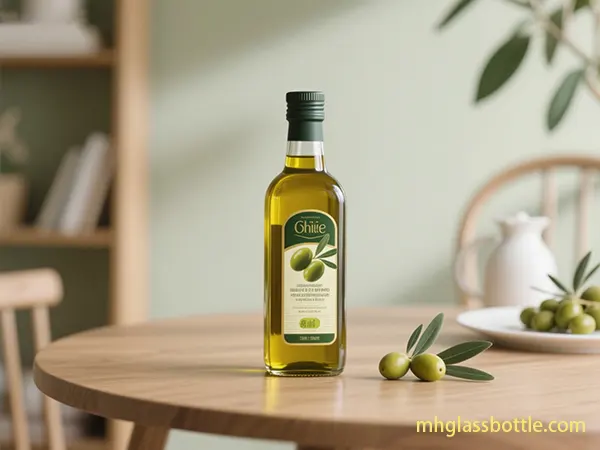
Izbira materiala za posode za olivno olje
Izbira pravega materiala vpliva na zaščito, stroške, stabilnost in восприемање марке. Spodaj so ocenjene običajne možnosti:
Lekovano jeklo (kositreno jeklo)
- Prednosti: Odlična pregrada za kisik/svetlobo, močna, ponovna uporabnost, lažja v primerjavi z steklom, cenovno učinkovita za večje verzije.
- Slabosti: Lahko se udari, potreben je oblog za hrano, da se prepreči okus kovine; tveganje oksidacije se pojavi, ko je odprt.
- Uporaba: Hojništvo (3 L -10 L), maloprodajna cena.
Možno tiskati opombe dizajna, za udobje lahko dodate ročaje/livalke.
Nepokvarjeno jeklo
- Prednosti: Kemijsko neaktiven, večkrat uporabljiv, zelo traven, premium videz.
- Poškodbe: Težek, visoka cena, neprosojen (brez vidnosti).
- Uporaba: Premium maloprodaja, specializirano hojništvo, industrijska uporaba.
Vrečka v škatli (BIB)
- Prednosti: Zmogljivost večslojnega filma zagotavlja odlično pregrado za kisik; lahek; dostava in odpadki po uporabi zmanjšujejo odpadke.
- Poškodbe: manj primeren za učinkovitost v maloprodaji; velja za manj premium.
- Uporaba: Srednje do slabih prehrambenih storitev, industrijsko razdeljevanje v večjih količinah.
- Opomba pri načrtovanju: Močna pipa/slavin za blagovno znamko, zunanji karton.
Pet (polietilen tereftalat)
- Prednosti : Lahka teža, neomajna, poceni, lahko reciklirana.
- Slabosti: : Kislinski parameter; Potreba po barierah; Nizka premija.
- Uporaba : Cenovno ugodna maloprodaja, trg občutljiv na težo.
Steklo (osredotočeno na premium stekleno posodo za olivno olje)
- Prednosti: Kemično nevtralno; varuje okus/aromo; premium estetika; popolna reciklaža.
- Poškodbe: : Težka teža; krhka; prozorno steklo zahteva zaščito pred UV sevanjem prek temnega (smodnega/zelenega) stekla ali sekundarne embalaže.
- Uporaba: Premium prodaja; stekleni posodi za olje, kot jih ponuja Minghang, zagotavljata boljšo celovitost izdelka in blagovno znamko.
Velikost in oblika za raka
Pogled zmogljivosti
- Majhna (250 mL -1 L): Prodaja / posebna olja; prednost in enostavnost uporabe.
- Srednja (3 L -10 L): restavracije in velika prodaja; osredotočena na trdnost, nečistoče in možnost skladiranja.
- Velika (20 L -200 L, 1000 L IBC): Industrijska in veleprodajna uporaba; osredotočena na okrepitev, varno rokovanje in učinkovito shranjevanje.
Lastnost konstrukcije
- Ročaji: za kanter potreben 3L+.
- Sutton/pipa: brez kapljanja, trpežen za natančno doziranje.
- Zaključitev: Zaščita pred nedovoljenim odpiranjem; Vijačna zaporka, plute, ventil.
- Nadstavljivost: Strokovno skladiščenje/prevoz.
- Oznakovanje: Označevanje blagovne znamke, nutrični podatki, ravna površina za skladnost.
- Ergonomija: Enostavna ročka, prelivanje in odpiranje.
Pravilna izbira materiala/oblike zagotavlja varnost, namembnost in razlikovanje na tržišču. Steklene sklede in steklenice v majhnih velikostih dopolnjujejo večje posode za oljčno olje za prodajo v trgovinah.
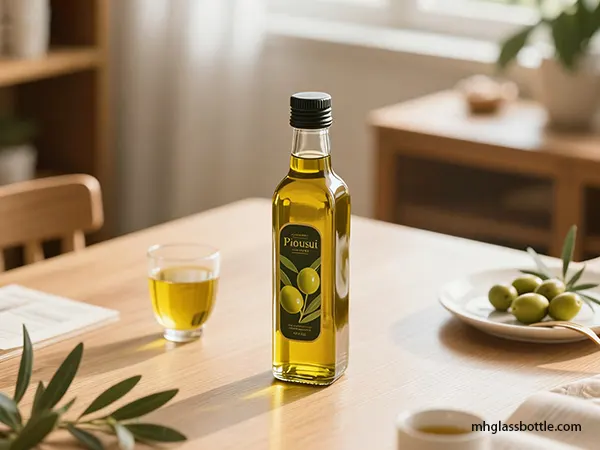
Strategije zmanjšanja stroškov v dobavni verigi
Učinkovita enota za upravljanje stroškov sega dlje kot le cena in vključuje nakup, logistiko, odpadke, delo in zaloge.
Prilagoditev stroška enote
- Popust pri količini; sodelovanje z dobavitelji in dolgoročni pogodbi.
- Standardne velikosti/oblike za nakupovalno prednost.
- Upoštevaj reciklirane materiale (RPET, reciklirano steklo) zaradi ugodnosti pri stroških in stabilnosti.
Promet in logistika
- Maksimiraj stopnjo polnjenja palete/contenjerja; skladi prazne contenjere.
- Izberi primerni način prevoza (morski ali zračni) glede na stroške/ceno.
- Razišči možnosti povratnega tovora in strateške lokacije distribucijskih centrov za zmanjšanje stroškov.
Preprečevanje okvar
- Izberi materiale z dokazanimi barjernimi lastnostmi (temno stekleno steklo, pocinkano železo, PET).
- Ohrani zatesnjeno, varno zaprtje proti ponarejanju.
- Kontrola temperature in vlažnosti skladiščenja; uporaba FIFO.
učinkovitost dela
- Ergonomska konstrukcija posode zmanjšuje obremenitev, povečuje produktivnost.
- Kompatibilnost s samodejnim polnjenjem, zapiranjem, nalepkovalno opremo in paleto.
Upravljanje z zalogami
- Napredna naprava za napovedi; JIT za embalažni material.
- Prilagoditevar rezervnih zalog za uravnoteženje stroškov shranjevanja in tveganja izpadov zalog.
Vzdržnost, skladnost z regulativami in trendi
Trajnost
- Povezani materiali in reciklirani materiali v steklenih steklenicah, steklenih posodah in steklenih nadstreških za oljčno olje.
- Lahka in ponovno uporabna / polnljiva sistema.
- Lokalni dobavljalci in energetsko učinkovita proizvodnja za zmanjšanje ogljičnega odtisa.
Skladnost s predpisi
- Pravila FDA/Evropske unije za materiale v stiku z živili.
- Preskusni migracije, označevanje, nutrične informacije in natančni neto materiali.
- Skladnost s standardi kakovosti olivnega olja (IOC, USDA/EU).
- Razširjena odgovornost proizvajalca (EPR) in pravila za plastiko.
Najnovejše tehnologije
- Pametno embalažiranje: senzor svežine, QR koda, sledljivost prek verige blokov (blockchain).
- Napredna barierna embalaža iz PET-a, biološkega/razgradljivega materiala.
- Članstveni in modeli polnjenja: spodbujajo potrošnike k varovanju okolja, okrepijo uporabo steklenic in ugodijo olivnemu olju v steklenih posodah.
- Preglednost in okoljski sistem vplivata na zaupanje potrošnikov.
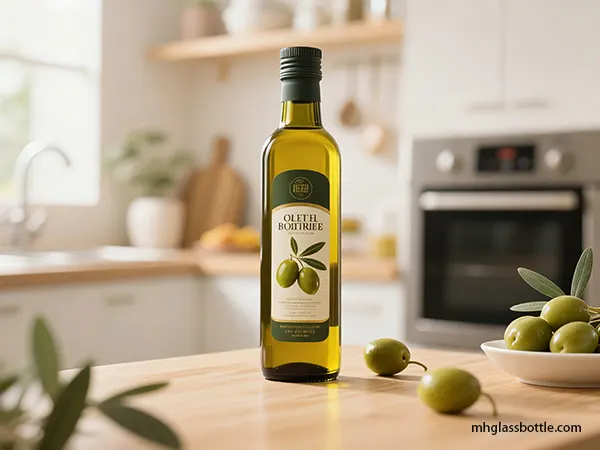
Izvedljivi priporočila
Ocena operativnih zahtev: določite letni volumen, namembnost, želeno roko trajanja in ciljni profil.
Strategija embalaže po nivojih:
- Premium prodaja: Temno steklo olivnega olja Constance.
- Cena za drobnoprodajo/živilsko storitev: Laminirana pločevina ali visoko zmogljivi hišni ljubljenčki.
- Industrijska visoke vrednosti: Vrečkasto pakiranje ali velika pločevinka.
- Prilagodite verigo dobave: konsolidirajte nakupe, maksimirajte vsebino kontejnerja, uporabite FIFO in strategično postavite distribucijske centre.
- Stabilnost in skladnost: prednost dajte recikliranim materialom, analizirajte življenjski cikel in raziskujte krožne modele.
- Vlagajte v inovacije: Nove tehnologije, pilotna pametna embalaža in napredne barierne rešitve.
Uporaba teh strategij okrepi učinkovitost dobavne verige, zmanjša stroške, zagotovi celovitost izdelka ter poveča ugled blagovne znamke. Stekleni lonček za oljčno olje in majhne steklene stekleniče ali stekleni bokalci skupaj tvorijo harmoničen, premium portfolio embalaže.