EN
EN AR
AR BG
BG HR
HR CS
CS DA
DA NL
NL FI
FI FR
FR DE
DE EL
EL HI
HI IT
IT JA
JA KO
KO NO
NO PL
PL PT
PT RO
RO RU
RU ES
ES SV
SV TL
TL IW
IW ID
ID LV
LV LT
LT SR
SR SK
SK SL
SL UK
UK VI
VI HU
HU TH
TH TR
TR FA
FA GA
GA LA
LA MI
MI MN
MN

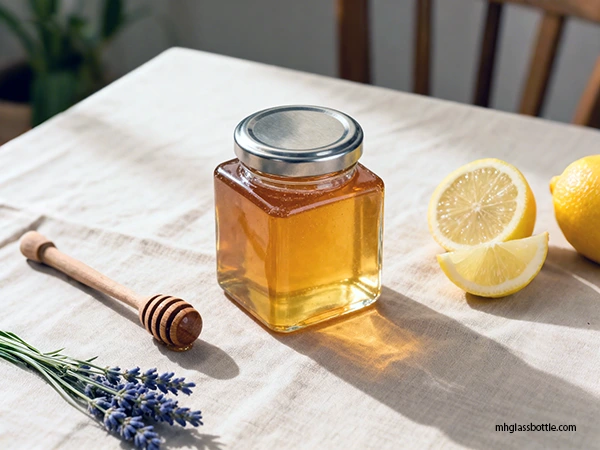
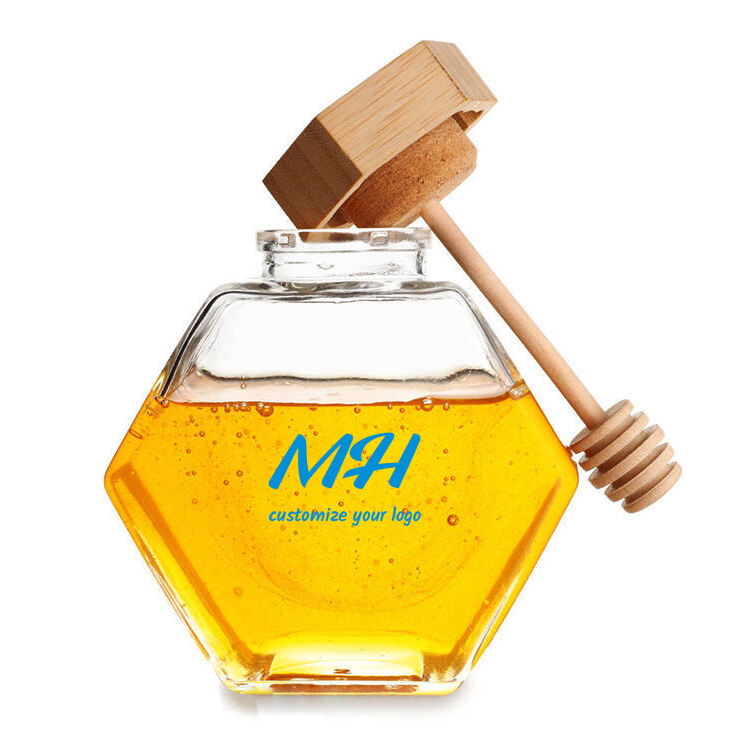
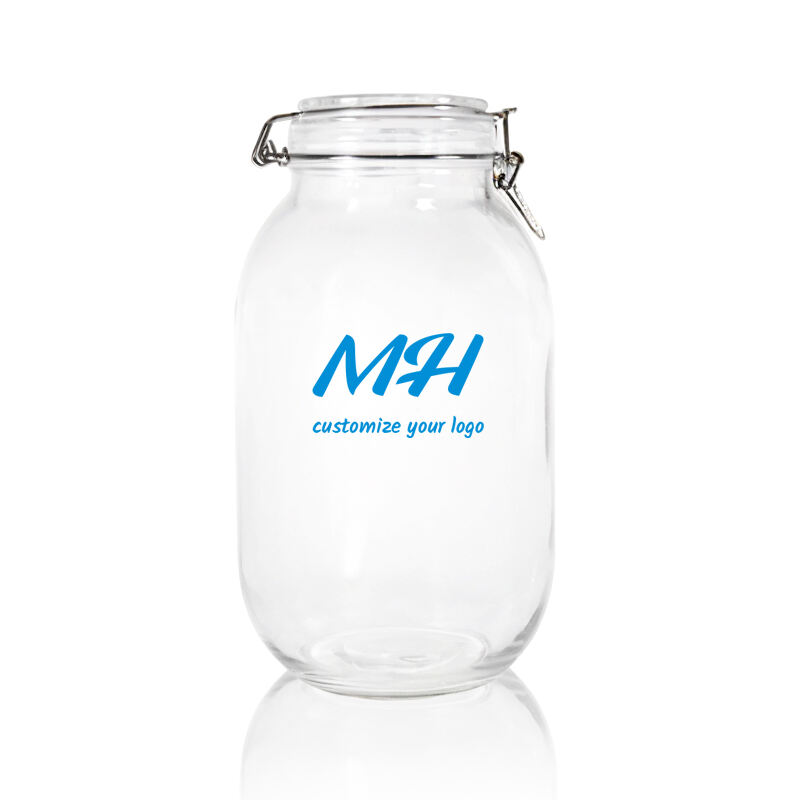
Grosshandelsmarknaden för kvadratiska honungskärl 2025 kännetecknas av en dynamisk interaktion av en ökad uppmärksamhet på konsumentpreferenser, teknologiska framsteg och stabilitet. Minghang 's klass honningburk är känd för sin extra klarglas, starka strukturella integritet och miljövänliga produktionsmetoder. Dessa egenskaper gör dem till ett populärt val för både hantverkare och stora detaljhandlare som söker högkvalitativa förpackningslösningar. De fem främsta trenderna som formar marknadens landskap inkluderar dominansen av hållbara och återvunna förpackningslösningar, integrering av smarta förpackningsteknologier för ökad konsumentengagemang, en skönhetssatsning som drivs av varumärkesdifferentiering, materialinnovation som balanserar glas med alternativa material samt ett betydande behov av flexibilitet i leveranskedjan. Var och en av dessa trender speglar omfattande förändringar inom den globala konsumentvarusektorn, särskilt den ökande efterfrågan på produkter som överensstämmer med etiska och ekologiska värderingar. Marknadsförloppet till kvadratiska honungskärl är starka. Efterfrågan på global marknad efter naturlig honung fortsätter att öka, drivet av expansionen av särskilda livsmedelsmarknader och konsumenternas hälsosamma beteenden. Minghangs kategorihonungskärl är utformade för att utnyttja denna trend genom att erbjuda hållbara och ändå lätta konstruktioner, återvunna material och anpassningsbara alternativ som uppfyller både funktionella och varumärkesmässiga krav. Denna kombination av egenskaper gör att de behåller en stark position på den konkurrensutsatta engrosmarknaden. Den här rapporten förklarar i detalj var och en av dessa trender och ger genomförbara insikter för inköp, investeringar och strategisk planering inom sektorn för engros handfatade honungskärl. Genom att granska stabilitet, innovation, estetik, material och leveranskedjefaktorer kan köpare och investerare fatta informerade beslut om leveranssäkerställande, produktutveckling och marknadsexpansion.
Funktion och omfattning
Analysen av de fem främsta trenderna på marknaden för kvadratiska honungskärl 2025 bygger på en omfattande granskning av senaste marknadsundersökningar, branschrapporter och leverantörsdata. Denna process säkerställer en helhetsförståelse av nuvarande marknadsmekanismer, leverantörers kapacitet och konsumenters förväntningar.
Datakälla och forskningsansats
Vår forskning omfattade ett brett urval av primära och sekundära källor. Primärdata inkluderade intervjuer med leverantörer, distributörer och hantverksmässiga honungstillverkare, medan sekundärdata samlades in från marknadsrapporter, företagspublikationer och globala branschdatabaser. Kombinationen av kvalitativa och kvantitativa insikter gjorde det möjligt för oss att identifiera viktiga drivkrafter, nya tekniker och marknadsformade konsumentpreferenser.
Geografisk och sektionsomfattning
Rapportens omfattning är global, vilket beror på deras betydande bidrag till både import- och exportversioner med särskild tonvikt på Nordamerika, Europa och Stillahavsregionen. Konsumentsegmentet anses omfatta hantverkare, kommersiella bi-spinat, specialiserade livsmedelsbutiker och allmänna konsumenter. Varje sektion har separata krav när det gäller burkstorlek, storlek, sluten system och estetiskt utseende, vilket påverkar efterfrågan på kvadratiska honungskärl i grosshandeln.
Analysramverk
Trenderna bedömdes utifrån inköpsstrategier, leverantörsinnovation och deras prestationers påverkan på framtida marknadsutveckling. B2B- och B2C-leveranskedjor ingick i utvärderingen av faktorer såsom regelverksenlighet, miljöstandarder och konsumentförväntningar som utvecklats för att säkerställa relevans.
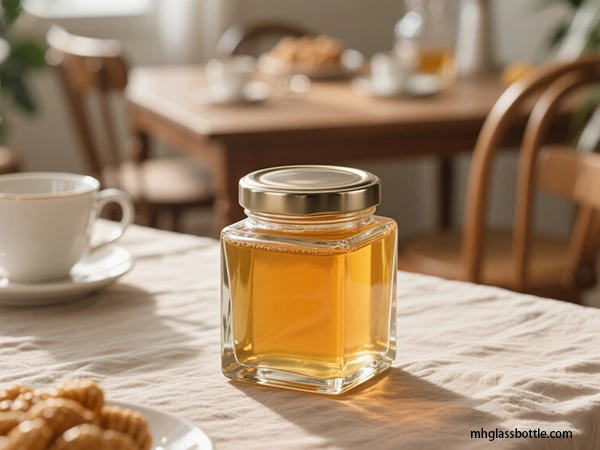
Trend 1: Dominans av hållbara och återanvända förpackningslösningar
Stabilitet har smittat över med en nischad oro för en central idé på grossistmarknaden för honungskärl. Snabbt efterfrågar konsumenter, återförsäljare och reglerande förpackningar lösningar som minskar miljöpåverkan. Minghangs kvadratiska honungskärl möter efterfrågan på postkonsumentåtervunnet (PCR) glas, lätt design och slitstarka förslutningsalternativ som hjälper varumärken att upprätthålla premiumkvalitet och att uppfylla sina ESG-mål.
Viktiga aspekter av permanenta förpackningar
- Återvunnet material: Efterfrågan på kärl tillverkade av PCR-glas ökar stadigt, eftersom företag antar principer för cirkulär ekonomi för att minska koldioxidavtryck och uppfylla globala hållbarhetsstandarder.
- Lättvikt: Avancerade tunnare i glastillverkning gör fortfarande strukturellt starka kärl, använder råvaror, minskar transportutsläpp och totala produktionskostnader utan att kompromissa med stabilitet.
- Hållbara lock och förslutningar: Materialer som bambu, kork och återvunna metaller kompletterar miljövänliga burkförpackningar och erbjuder en fullständigt hållbar förpackningslösning.
- Cirkulär ekonomimodell: Initiativet Return-and-Refill främjar långsiktig återanvändning av glasburkar, ökar varumärkeslojalitet och miljöansvar.
- Konsumentperception: Konsumenter uppfattar glas som högkvalitativt, säkert och mer äktsamt än plast, särskilt för premiumhonungsprodukter. Transparenta kvadratiska honungsburkar gör att köpare kan bedöma produktens kvalitet, vilket ökar förtroendet och upprepade köp.
Konsekvenser för grossisthandel
Leverantörer som erbjuder hållbara alternativ, såsom Minghans kvadratiska honungsburkar, kan erövra en betydande marknadsandel genom att möta behoven hos miljömedvetna köpare. Tydlig kommunikation kring miljöegenskaper är viktig för att vinna grossistavtal, särskilt hos stora varuhuskedjor och internationella distributörer.
Trend 2: Smart förpackning och utökad konsumentengagemang
Integreringsklassen för smarta förpackningsteknologier omformar grosshandelslandskapet för honungskärl. Dessa lösningar går bortom kontroll, utökad spårbarhet, konsumentengagemang och åtgärder mot förfalskning.
Nyckeltekniker för smart förpackning
QR-koder och NFC-taggar: möjliggör för konsumenter att få tillgång till detaljerad produktinformation inklusive ursprung, bihantverksmetoder, näringsinformation och varumärkesberättelser.
- Tid-Temperatursensorer (TTIS): Även om honung är mindre känslig än andra livsmedel säkerställer TTIS optimala lagringsförhållanden under transport och i handeln.
- RFID- och IoT-integration: Dessa tekniker möjliggör kontinuerlig spårning av burkens plats, temperatur och fuktighet, vilket förbättrar transparens i leveranskedjan och lagerhanteringen.
- Förfalskningshämmande funktioner: Skapar konsumentförtroende genom att säkerställa produktens integritet och avskräcka från förfalskning.
Utmaningar och grosshandelskonsekvenser
Breda införande hinder inkluderar initiala kostnader, teknisk komplexitet och standardiseringsproblem. Leverantörer som Minghang som kan integrera smarta funktioner i kvadratiska honungskärlar erbjuder varumärken ett betydande värde för varumärken som söker transparens, engagemang och datastyra insikter.
Trend 3: Skönhetens utveckling och varumärkesdifferentiering i kärleksdesign
Estetiskt utseende spelar en viktig roll i att locka konsumenternas uppmärksamhet och uttrycka varumärkesidentitet. För kvadratiska honungskärl bör funktionalitet kombineras med designmässig innovation för att skapa minnesvärda förpackningar som speglar varumärkets värderingar.
Nya skönhetstrender
- Minimalistisk design: Rena linjer och onödiga etiketter lyfter fram honungens naturliga kvalitet, i linje med samtida hemorganisering och livsstilströnder.
- Texturerad yta och prägling: anpassad prägling och strukturerad glasyta ökar känslan av kvalitet och uppfattat värde.
- Anpassade färgalternativ: Bärnstens- och grönt glas erbjuder UV-skydd och ger specifik visuell identifiering för nischvarumärken.
- Forminnovation: variationer såsom sexkantiga eller Bispoke-formar gör det möjligt för varumärken att skapa sig ut på trångare butikshyllor.
- Konstnärlig finish: Sandblästring, silkskärning och avancerad tryckteknik ger synnerligen attraktiva burkar.
Konsekvenser för grossisthandel
Leverantörer som erbjuder omfattande anpassningsalternativ såsom Minghangs kvadratiska honungsburkar ger återförsäljare flexibilitet med ökad marknads konkurrens, vilket skapar varumärkesbaserad förpackning.
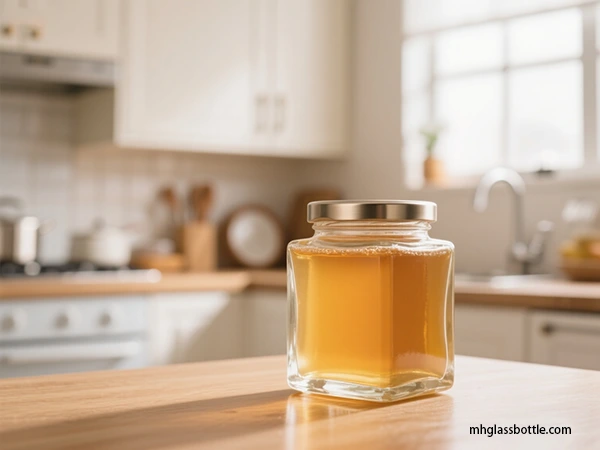
Trend 4: Materialinnovation och prestandooptimering (glas mot alternativ)
Debatten fortsätter att utvecklas mellan traditionellt glas och alternativa förpackningsmaterial, inspirerad av teknologiska framsteg, kostnadsideologier och stabilitetsfrågor. På kvadratiska honungsburkar-marknaden har sig leverantörerna anpassat till glasets prestanda, samtidigt som de söker efter alternativa material för att möta behoven hos en mångsidig kundbas.
Framsteg inom glastillverkning
- Lättvikt: Modern tillverkningsteknik gör det möjligt att konstruera hållbara glasburkar ännu att minska transportkostnader och innehållskonsumtion utan att avstå från styrka.
- Framhöjda barriäregenskaper: Glas ger bättre skydd mot syre, fukt och yttre föroreningar, vilket bevarar honungens kvalitet under lång hållbarhetsperiod.
- UV-säkerhet: Bärnstens- och Grönglasvarianter minskar nedbrytning från solljus, hjälper till att behålla smak, aroma och näringsvärden.
- Termisk resistans: Glas klarar steriliserings- och varmprocesser, vilket stöder livsmedelssäkerhetsstandarder för premiumhonungsprodukter.
- Antimikrobiella belägg: Innovativa belägg på glasytor minskar mikrobiell tillväxt, vilket ytterligare förlänger hållbarheten.
- Energikunskapsbaserad produktion: Elektriska och hybridugnar minskar klimatavtryck och driftskostnader, vilket stöder hållbara tillverkningsmål.
Idé om Alternativa Material
- PET (polyetylentereftalat): Lätt, skärvresistent och kostnadseffektiv, används PET snabbt där transporteffektivitet och minskad risk för brist är viktigt.
- Återvunnet PET: Efter att ha minskat miljöpåverkan i vissa livscykelanalyser erbjuder återvunnet PET bättre stabilitet genom användning av material.
- Kompromisser: Medan plast är bekväm, behåller en kvadratisk honungskärl av glas en premiumperception, stabilitet och konsumentförtroende, vilket särskilt är viktigt för högre segment eller hantverkssorters honung.
Konsekvenser för grossisthandel
Den inhemska marknaden kommer sannolikt att visa ett bisexuellt efterfrågan: en växande sektor med starkt intresse och anpassade alternativ i premium glaskärl där kostnad, vikt och skärvresistens är avgörande faktorer. Både leverantörer, såsom Minghangs klass honungskärl och kompatibla plastalternativ, kan möta en mångsidig marknads efterfrågan och öka konkurrensen.
Konsekvenser för inköps- och investeringsstrategier
Sammanflödet av dessa trender erbjuder viktiga möjligheter och utmaningar för professionella och investerare.
Inköpsidéer
- Strategisk upphandling: Använd ett totalkostnadsförhållande (TCO) som säkerställer stabilitet, leverantörsinnovation och flexibilitet i leveranskedjan.
- Leverantörsindelning: Minska beroendet av enskilda regioner för att minska geopolitisk instabilitet och risker kopplade till affärs tvister.
- Hållbarhetsintegration: föredragna leverantörer som erbjuder certifierade kontinuerliga material, återvunna material och lätta glasburkar.
- Smart förpackningspartnerskap: Samarbeta med leverantörer som erbjuder digital eller interaktiv förpackning för spårbarhet och engagemang.
- Efterfrågan på anpassning: Varumärkesstyrka och möjlighet att skapa avstånd i marknaden.
- Datastyrd beslutsfattande: Använd analyser för att optimera lager, efterfrågoprognoser och identifiera kostnadsbesparingar.
- Långsiktig relation: Bygg en strategisk partnerskap för att säkerställa kvalitet, tillförlitlighet och gemensam innovation.
Investeringsidéer
- Hållbar innovation: Investera i företag som utvecklar miljövänliga material, lättglas och energieffektiv produktion.
- Ledare inom smart förpackning: Stöd företag som integrerar IoT-, NFC- eller QR-tekniker för att öka transparens i leveranskedjan och kundens anslutningsmöjligheter.
- Flexibel leveranskedja: stöd företag med varierade inköpskällor och starka riskhanteringspraxis.
- Anpassningsspecialist: Fokusera på tillverkare som erbjuder hög flexibilitet och skräddarsydda förpackningslösningar.
- Cirkulär ekonomi möjliggörare: Samarbeta med företag som främjar återfyllning, återanvändning eller avancerade återvinningsinitiativ.
Innehållsförteckning
- Funktion och omfattning
- Trend 1: Dominans av hållbara och återanvända förpackningslösningar
- Trend 2: Smart förpackning och utökad konsumentengagemang
- Trend 3: Skönhetens utveckling och varumärkesdifferentiering i kärleksdesign
- Trend 4: Materialinnovation och prestandooptimering (glas mot alternativ)
- Konsekvenser för inköps- och investeringsstrategier