EN
EN AR
AR BG
BG HR
HR CS
CS DA
DA NL
NL FI
FI FR
FR DE
DE EL
EL HI
HI IT
IT JA
JA KO
KO NO
NO PL
PL PT
PT RO
RO RU
RU ES
ES SV
SV TL
TL IW
IW ID
ID LV
LV LT
LT SR
SR SK
SK SL
SL UK
UK VI
VI HU
HU TH
TH TR
TR FA
FA GA
GA LA
LA MI
MI MN
MN

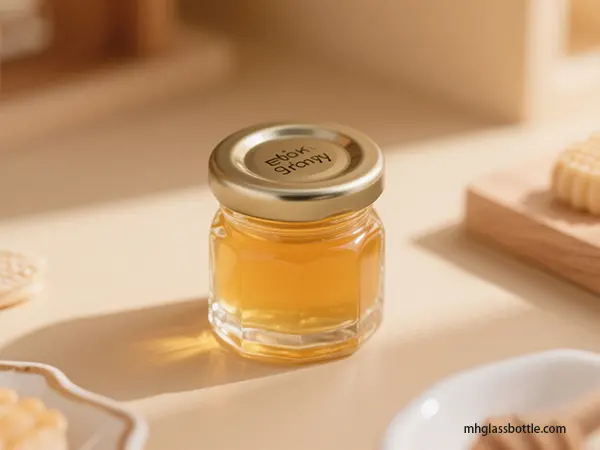
With a significant shift awaiting the retail landscape, mini honey jars will surely assert themselves as powerful forces in 2026. This report explores the multifaceted benefits and strategic positioning of these versatile containers in the market. Favoring sustainability, personalization, and a premium experiential value in consumer choice, mini honey jars thus serve as great value providers for brand differentiation. Their attractiveness originates from their versatility, aesthetic potential, and the defining trends on which they thrive: the artisanal food movement and calls for curated gift sets and single-serving convenience. This analysis explores the unique traits of the retail arena for mini honey jars, the measures germane to their success, the targeted consumer segments, the competitive packaging landscape, alongside design considerations that will add significant value to the glassware. In the end, it is suggested that mini honey jars will stand as an innovative strategic packaging idea by which brands can differentiate themselves and command consumers' attention in the dynamic retail arena of 2026 and beyond.
Defining the Retail Landscape for Mini Honey Jars
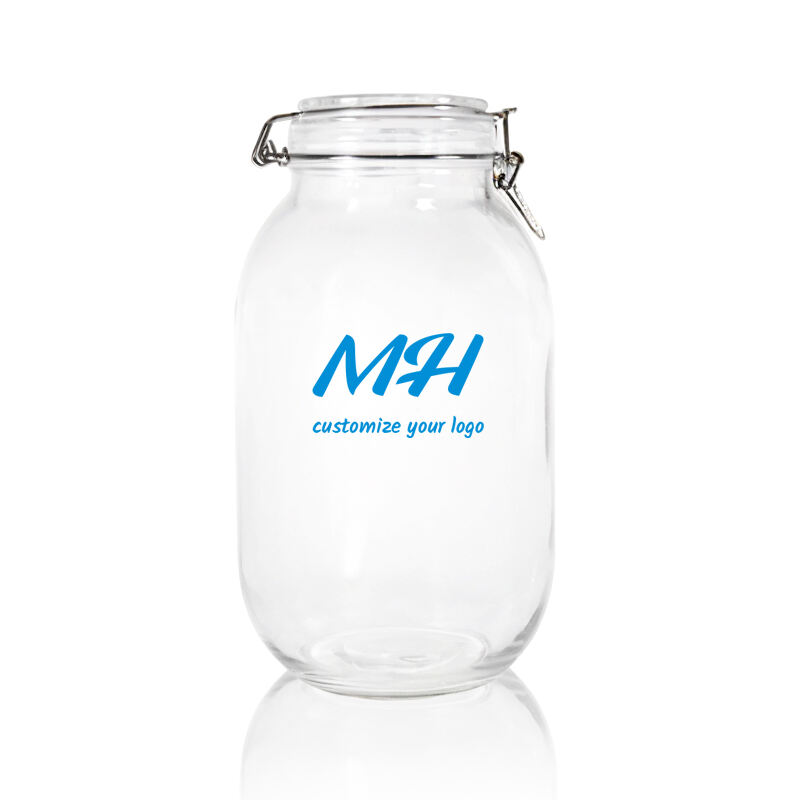
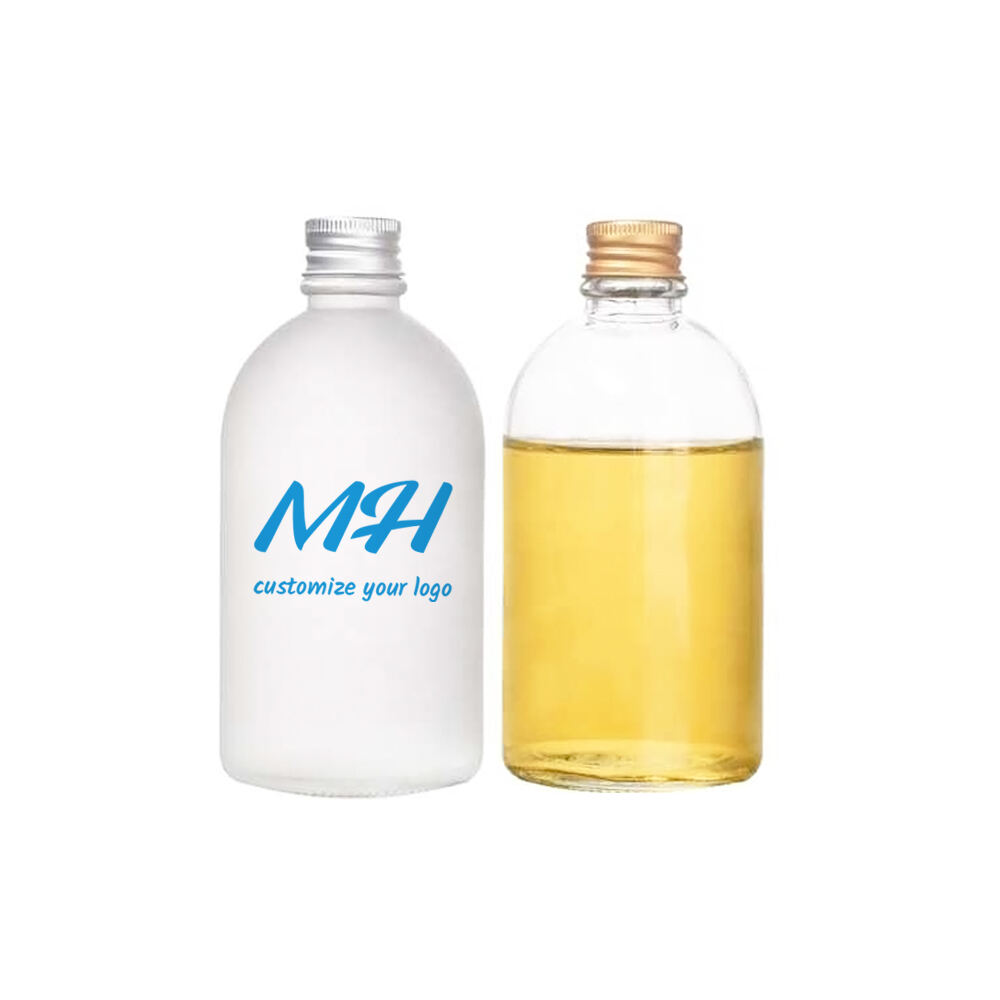
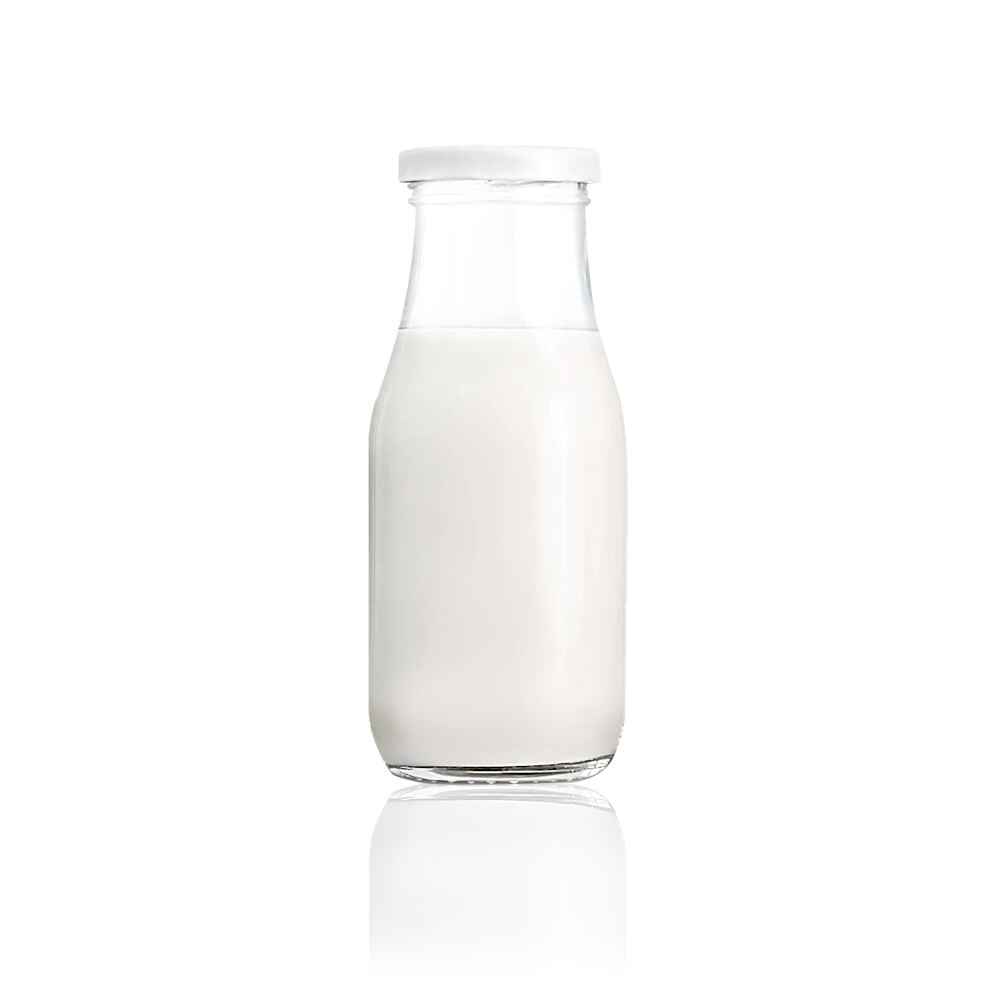
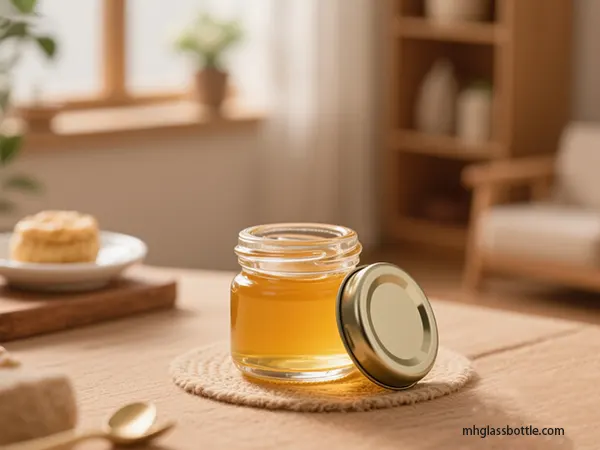
It is forecasted that mini honey jars will be earning significant demand between 2026 across many key retail corridors.Cosmopolitan in appeal, the mini jars have carved out a space in specialty food stores and supermarket gourmet sections, where consumers actively seek unique and high-end offerings. Gift shops will also capitalize on mini jars of honey for both aesthetic gift presentation and impulsive buying. Another demarcation for the mini jar of honey is the DTC online market, where brands can tell their stories and manage the customer experience, all the way from packaging to delivery to the customer's door. In this context, glass jars and glass honey containers are central for consumer perception of quality and authenticity. Compared to plastic or flexible packaging, glass bottles project stability, durability and an elevated brand image. In particular, Crafted from crystal-clear glass with high post-consumer recycled content, Minghang's mini honey jars offer stability for retail and shipping while ensuring an eco-friendly appeal. They are the ideal, durable solution for premium honey and artisan brands.
Retail Categories Benefiting from Mini Honey Jars
Within these retail environments, specific product categories will be benefited by mini honey jar format:
Artisan Honey
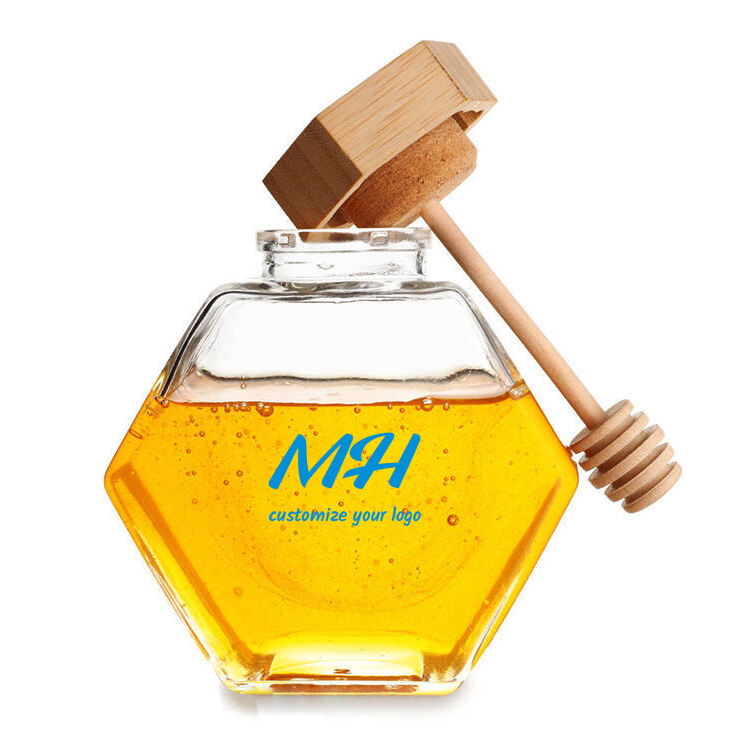
The small format complement the premium position of being a fully artisan, which can give consumers a different type of unique floral sources or a sample of single-manual honey without a significant commitment. Glass honey containers provide excellent aromatic retention, while their apparent surface exposes the natural golden color of honey.
infected honey
Mini honey jars are ideal for these special products to show small, more accessible value points, with chili, lavender, or herbs). Visual appeal of infected honey within a clear glass bottle is also an important benefit, which increases the desire of the consumer through presentation.
Honey-based gift sets
Compact Glass Jars Curate Gift Baskets, Wedding Easons and Holiday Gift Set are perfectly suited. Their size allows many varieties to be presented simultaneously, providing a diverse tasting experience. Here, mini honey jars act with aesthetics, which become a consumable and a decorative element.
Single-service part
Catering, mini honey jars provide a perfect solution for single-serving honey parts for increasing demand for convenience and part control, reduce food waste and appeal to consumers on-the-go on-the-go. Their format holds him as a strategic tool for both retail and hospitality regions.
Metrics of Retail Distinction
To effectively measure the success and distinctiveness of mini honey jars in the retail environment, a robust set of Key Performance Indicators (KPIs) will be employed. These metrics will move beyond simple sales figures to encompass a more holistic view of market impact and consumer engagement.
Sales Velocity
This fundamental KPI will track how quickly mini honey jars are purchased relative to their shelf space. Higher sales velocity indicates strong consumer demand and effective product placement.
Shelf Space Optimization and Visibility
Metrics such as "facings" (the number of individual glass honey containers visible on the shelf) and "eye-level placement" are critical. Advanced visual intelligence solutions can monitor shelf share, competition purity, and visibility advantages, ensuring optimal placement for mini honey jars.
Consumer Interaction Rates
This KPI captures how consumers engage with mini honey jars beyond the point of purchase. For instance, social media mentions of unique glass jars, user-generated unboxing of curated gift sets, and online reviews help measure retail distinction. If glass bottles feature QR codes or AR elements, scan rates will further reflect consumer interaction.
Target Consumer Segments and Motivations
By 2026, the anticipated success of the mini honey jar is associated with their appeal to internal specific consumer segments, whose preferences and purchasing behavior are aligned with the underlying benefits of the product.
Millennium and General Z
Prepared for stability, moral consumption and shared experiences, these consumers favors brands offering recurrence honey containers and appeal to the visually mini honey jars.
rich consumer and petu enthusiastic people
This section gives importance to premium, high quality honey and appreciates the artisan appeal of the glass jar. Mini honey jars provide a special, curate tasting experience.
Health-conscious person
As natural sweetness gains popularity, mini honey jars allow part control to preserve freshness in sustainable glass bottles.
Gift-Guavers and Event Planners
Compact, beauty and adaptable, mini honey jars are highly desirable for weddings, corporate programs and festive opportunities. Their glass containers give them a premium, thoughtful appeal.
Competitive Packaging Analysis for Honey and Similar Products
To fully appreciate the strategic advantage of mini honey jar, it is necessary to analyze the competitive landscape of packaging formats for honey and analogous products such as maple syrup, jam and artisan sauce.
Traditional Glass Jar (large size)
Large glass jars are widely used, but can be cumbersome to consumers who want variety or part control. While they provide premium perception and strong stability credentials, they can contribute to product waste and high shipping costs. In contrast, mini honey jars take advantage of the same premium appeal, reducing shortcomings related to size.
Plastic Container (PET, HDPE)
Plastic containers are popular due to cost profit and light weight. However, consumer awareness towards environmental issues has created significant resistance to plastic. Questions of recycled, chemical leaching and microplastic effects further weaken the consumer trust. Against this background, glass honey containers maintain better appeal, especially for the position of premium honey.
Bottles and Pouches
Bottles and flexible pouch squeeze the convenience and part controls but struggle to express luxury. Their physical basis, usually plastic, often holds them as less durable. In comparison, mini honey jars in glass bottles preserve artisan character, facilitating premium quality.
Artisanal and Novelty Packaging
Innovative brands sometimes use hexagonal glass jars, decorative closures, or even acrylic options. These strong shelf make appeals but can be expensive and complex for construction. Mini Honey Jars Strike A Balance: They provide innovation through scale, privatization and flexibility while maintaining the simplicity and recycling of glass honey containers.
Overall Packaging Design: Beyond Jar
The success of Mini Honey Jars depends not only on the jar but also on broad design ideas that increase their retail value.
Innovative labeling Design
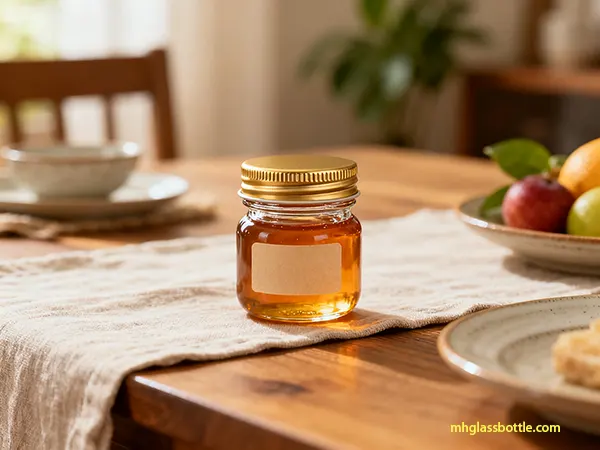
Labels play a central role in different products. For glass jars, clear or minimal labels highlight the natural color of honey. Nature-inspired motifs- Hos, flowers, honeycomms- emotional relationship with consumers. Embossed finish, foil stamping, and recycled paper label mini honey complement the eco-pramium positioning of the honey jar.
Functional and Aesthetics
Closures define the purpose and style. Wood, bamboo, or metal lids give glass containers a natural touch, while airtight seals ensure freshness. For premium brands, closures can become an extension of storytelling by strengthening artisans in the Mini Honey Jar.
Secondary Packaging for Gift Sets
The gift increases the packaging value. The glass bottles held in a honeycomb -shaped box or recycle cardboard inserts convert mini honey jar into a premium tasting set. Secondary packaging can use biodegradable or re -useful materials, strengthening stability credentials by increasing unboxing experience.
Smart Packaging Integration
Digital engagement is rapidly relevant. QR code and NFC tags apply to mini honey jars, which are able to tell the story about original, floral sources or recipe ideas. This makes consumer interaction beyond the purchase, making glass honey containers as vessels of both taste and information.
Strategic Benefits of Mini Honey Jar
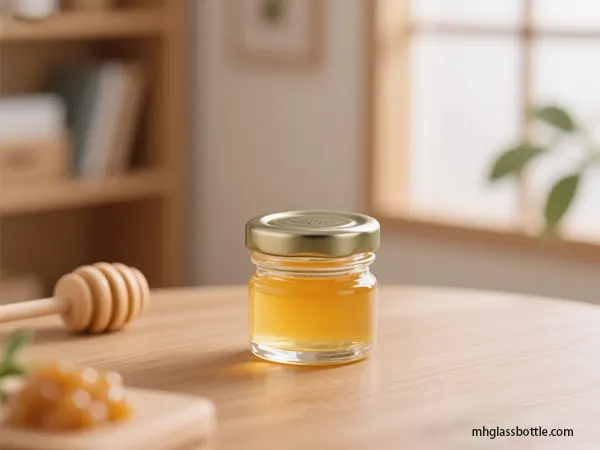
The mini honey jar provides tangible strategic benefits in the retail market, with consumer the convergence of trends.
Alignment with Stability Mandatory
As consumers demand environment-conscious solutions, glass jars provide infinite recycling. Mini honey jars consume less material than larger containers, strengthening their stability profile.
Experience Support for Economy
Consumers prioritize rapid experience. Mini honey jars encourage taste discovery through sample packs, curate sets and membership boxes. Their compact design turns honey tasting into a trip.
Premiumization and Artisanal Positioning
Glass bottles inherently signal quality. In compact mini honey jars, they convey exclusivity and justify higher pricing. Premium branding, coupled with high-quality closures and labels, further elevates their market standing.
Gifting and Personalization
Mini honey jars are ideal for events, weddings, or corporate gifts. Their small size supports customization, with personalized labels or decorative closures turning simple glass honey containers into thoughtful keepsakes.
Shelf Distinction and Cost-Effectiveness
In crowded aisles, the unique format of mini honey jars enhances visibility. For DTC channels, their reduced weight compared to larger glass jars lowers shipping costs while retaining premium presentation.
Future Outlook and Market Expansion
The projection of Mini Honey Jars suggests growing adoption in various retail channels.
Increase in Direct-to-Consumer (DTC) and Subscription Model
The DTC model will take advantage of the mini honey jar for gift-redi packaging and recurring membership boxes. Their compact design ensures safe shipping and attractive unboxing.
Expansion Beyond Honey
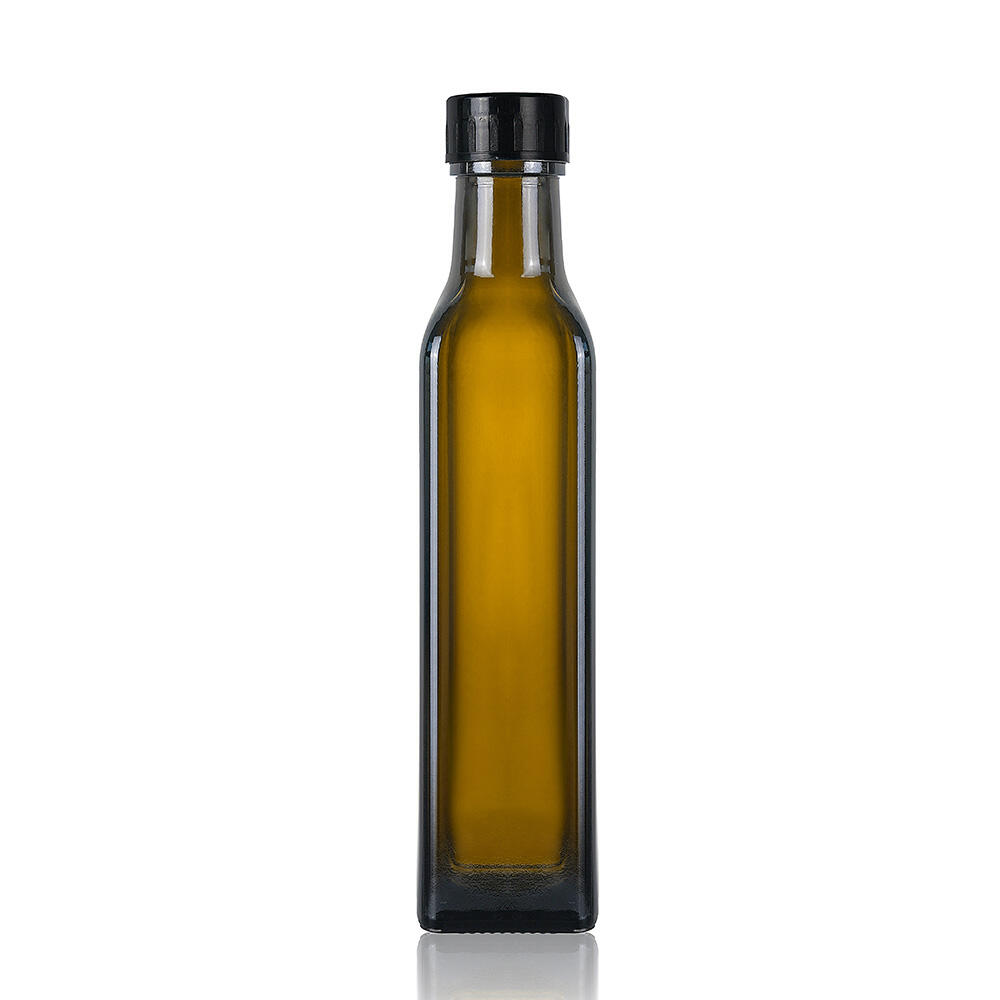
The glass jar format will extend to special oils, jams, sauces and infected spices. In particular, mini glass bottles are designed to furore the trend.
Integration of Smart and Durable Packaging
The future repetitions of the mini honey jar will mix environmentally friendly off (eg bamboo or recycled aluminum) with smart features such as QR-driven traceability. The initiative of circularism may reuse again or can encourage reuses through reusing ideas.
Recommendations for Brands and Retailers
To maximize the capacity of mini honey jar, brands and retailers must adopt strategies combined with both stability and consumer engagement.
Embrace Permanent Material
Priority to glass jars with high post-consumer recycled materials. Strengthen eco-messaging by pairing with biodegradable labels and closures.
Invest in Design Innovation
Use premium design techniques - for stamping, minimalist branding, texcharged closure to highlight the artisan quality of glass honey containers.
Gift Set and Develop Multi-Pack
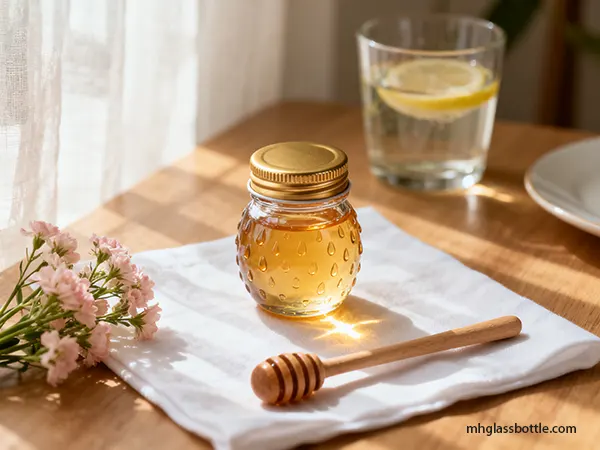
Bundle mini honey jars in the set that highlight various floral sources, infected flavors, or seasonal versions. It enhances gifts and tasting experiences to markets.
Leverage Direct-to-Consumer Channel
Adapt the mini honey jar for protective, aesthetic secondary packaging that creates a memorable unboxing experience.
Communicate Again and Recycled Recycling
Highlight the circular nature of glass bottles, encourage consumers to reuse as spice jars, decorative containers or storage solutions.
Conclusion
The convergence of stability, premium, privatization, and convenience establishes mini honey jars as a transformative packaging innovation for 2026 and further retail market. Compact yet premium, durable yet versatile, mini honey jar is empowered to develop brands to develop brands. Whether in the petu shops, curate gift sets, or direct-to-conjumer subscription boxes, glass jars and glass honey containers ensure that honey packaging is not only functional, but also aspiration. As the brands embrace this innovation, they put themselves at the forefront of the next era in retail packaging, where the mini honey jar embodies both the tradition of honey and the innovation of modern consumer experience.
Table of Contents
- Defining the Retail Landscape for Mini Honey Jars
- Retail Categories Benefiting from Mini Honey Jars
- Metrics of Retail Distinction
- Target Consumer Segments and Motivations
- Competitive Packaging Analysis for Honey and Similar Products
- Overall Packaging Design: Beyond Jar
- Strategic Benefits of Mini Honey Jar
- Future Outlook and Market Expansion
- Recommendations for Brands and Retailers
- Conclusion