EN
EN AR
AR BG
BG HR
HR CS
CS DA
DA NL
NL FI
FI FR
FR DE
DE EL
EL HI
HI IT
IT JA
JA KO
KO NO
NO PL
PL PT
PT RO
RO RU
RU ES
ES SV
SV TL
TL IW
IW ID
ID LV
LV LT
LT SR
SR SK
SK SL
SL UK
UK VI
VI HU
HU TH
TH TR
TR FA
FA GA
GA LA
LA MI
MI MN
MN

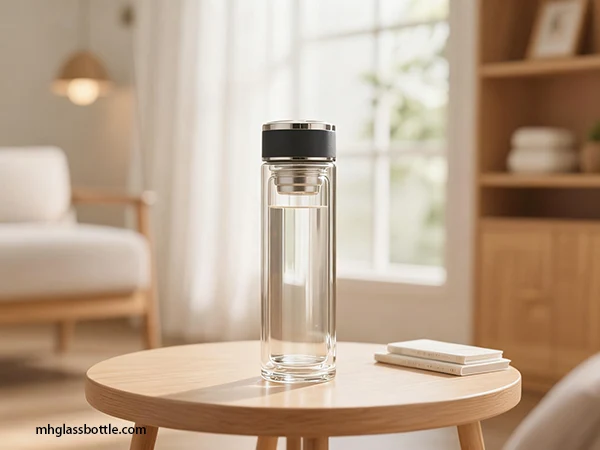
As consumers rapidly prefer their environmental impact and health, glass water bottles are emerging as a favorite option for drinking water. preserves water purity, is durable, and environmentally friendly. Minghang's reusable glass water bottles are fully aligned with this trend. They are chemical-resistant, heat-resistant, and aesthetically pleasing, providing health conscious individuals a great hydration experience. This guide changes into a diverse world of reusable glass water bottles, their content science, health benefits, environmental footsteps, practical ideas, and highlights the value they provide to environmentally conscious consumers.
Understanding Glass Water Bottles: Material Science and Safety
Protection and demonstration of a glass water bottle is closely connected to the type of glass used in its construction. Understanding the properties of different glass types is important for informed selection.
Glass and Types of Their Properties
Borosilicate glass, a high-quality "heat-resistant specialist": If you often choose glass water bottles, you probably heard of borosilicate glass-this is a top artist in this material category. Its primary components are silicon (70%-80%) and boron oxide (12%-15%), with aluminum oxide and a small amount of soda ash to increase its performance. The heat and durability of this is the major features: extraordinaryly low coefficients of thermal expansion means that sudden ups and downs in temperature (such as pouring hot water after filling ice water) are unlikely to crack, ending anxiety of the sudden accident. In addition, its chemical stability means that it will not react with water during filling, effectively locking the pure taste of water for a safe drinking experience. For example, Minghang glass water bottles often use this material. Not only does this crystal look clear and clean, it is also incredibly durable and can withstand a temperature of 400–500 ° C, which makes it suitable for both hot and hot water, making it a perfect drinking cup. Soda-Lime Glass, a common and cost-effective option: many glass that we see most often, such as bottles of ordinary beverages and inexpensive drinking glasses, are made of soda-thime glass. It is about 90% of global glass production and provides extraordinary value for money. Its main components are silicon, sodium oxide and calcium oxide. Its advantages are its availability and strength, so it is ideal for everyday use as room temperature water. However, a warning: It is not in the form of borosilicate glass as heat-resistant and can easily crack when exposed to large temperature fluctuations (such as pouring the right scaling water from the refrigerator). Therefore, pay full attention to temperature ups and downs. Tempered Glass: Tempered glass is heat-treated soda-lims, which is rapidly cooled to increase the resistance to breakdown. While it has improved mechanical strength, it is less suitable for hot beverages or extreme temperature variations and is usually used in products such as alcohol glass instead of everyday glass water bottles.
Security and Leaching Standards
Glass is non-reactive and free of BPA, fathlets and PVC. In the United States, food-grade glass bottles should follow FDA standards so that no harmful substances migrate into beverages. Internationally, ISOs regulate lead and cadmium release from standard glass containers. Using certified reinvolent glass water bottles, such as Minghang, ensures compliance with safety rules while protecting the user health.
Health and Purity: Why Glass is the Superior Choice
The internal properties of glass bottles make them unmatched to maintain the purity and safety of water.
Non-Jharjhara and Non-Affective
Glass is non-shrinking, prevents absorption of taste, odor or stain. This guarantees a fresh taste with each refill. Its chemical inertia ensures any leaching, which makes it better than many plastic, especially in contact with heat or sunlight. Minghang reusable glass water bottles take advantage of this property, which ensures frequent taste and purity for daily hydration.
Absence of Harmful Chemicals
Unlike plastic bottles, glass water bottles do not contain any BPA, phthalates or PVC. It reduces long health risks associated with chemical risk, providing peace of mind for regular users.
Cleanliness and Bacterial Resistance
The smooth, non-separated surface of the glass prevents the growth of bacteria and molds, causing more hygiene to reusable glass water bottles than the ingredients that can stuck microbes in microorganisms or scratches.
Environmental Footprint: The Sustainable Lifecycle of Glass Bottles
To understand the environmental impact of glass bottles, one needs to examine your full life cycle-from extraction of ravine goods to disposal or recycling of life.
Life Cycle Evaluation of Glass Bottles
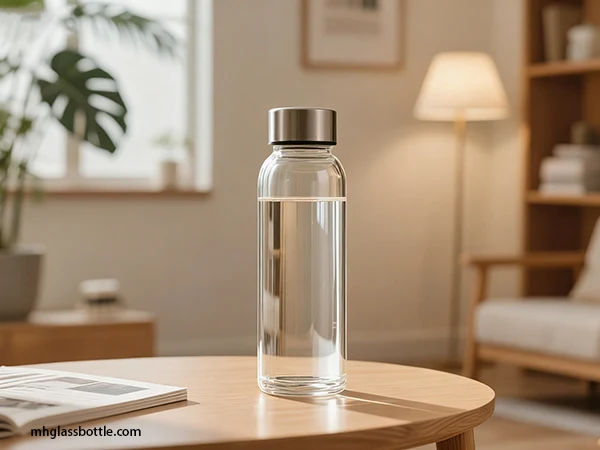
Re-reflected glass water bottles have less environmental effects than single-utilization options, especially when reused many times. Factors affecting this include transport distances, cleaning frequency, production energy and number of revaluation. The glass can be recycled indefinitely without quality loss, a circular system can be formed that reduces the use of virgin material and energy consumption.
Role of Reuse
Studies show that a glass bottle should be reused at least 3-20 times to improve single-use pets or aluminum bottles environmentally. Many reusable glass bottles, including Minghang products, receive 25-30 cycles, offset early production energy through frequent use.
Transport and Cleaning Effects
While the distance and cleaning of transport contributes to the environmental footprint, these effects are reduced by repeated use. Proper care, such as washing with light soap or vinegar solution, expands the lifetime of the bottle while maintaining stability.
Design, Durability, and Features
Re -purpose glass water bottles provide diverse designs, features and functional innovations that appeal to modern consumers.
Design and Aesthetics
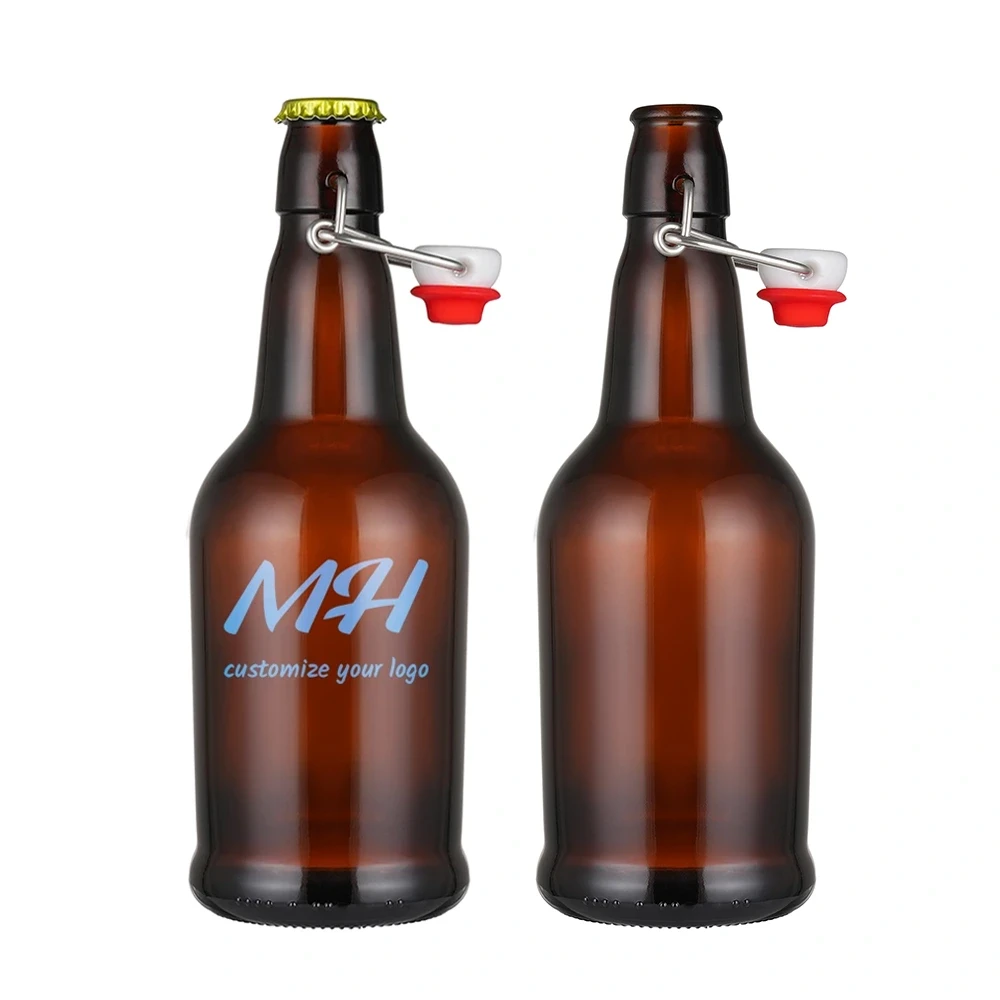
Glass bottles are available in clear or tinted varieties, which have minimal or strong designs. Tinted glass, such as amber, protects beverages from UV light while maintaining visual appeal. Minghang glass bottles combine functionality with beauty design, styling-conscious, eating for eco -ware consumers.
Purability and Protective Measures
To increase durability:
- Borosilicate glass provides thermal and mechanical resistance.
- Silicon reduces the risk of sleeve breaking and improves grip.
- Customized geometry with reinforced bases and thick walls increases mechanical flexibility.
Facilities and Functionality
- Lids: made of screw-on, flip-top, straw, BPA-free plastic, stainless steel, bamboo or silicone. Leak-proof seals are required for portability.
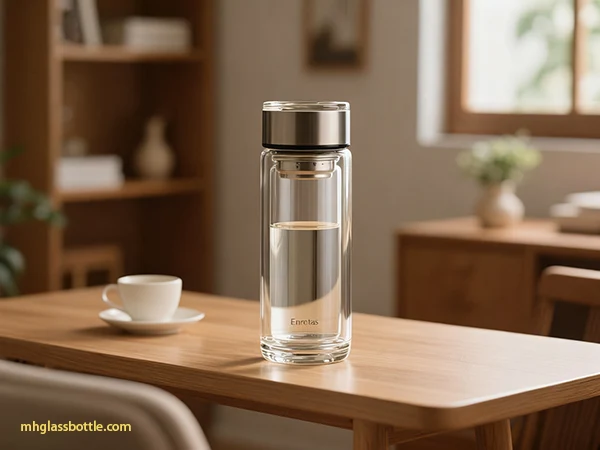
- Integrated Infuser: The underlying infusers allow fruits, herbs or tea additions.
- Double-Vold Construction: Maintains the temperature of the drink, keeps the drink cool for 24 hours and is heated to 12 hours.
Comparative Analysis
- Glass vs. Stainless Steel: Glass preserves taste, while stainless steel provides insulation.
- Glass vs Plastic: glass is safe and more durable; Plastic is light but suffers from smell and chemical leaching.
Practical Care and Maintenance
Proper care ensures that glass water bottles remain hygiene and long lasting.
Cleaning Routine
- Rinse daily with warm water.
- Complete cleaning with light dish soap and a bottle brush.
- Clean different lids and seals.
Effective Cleaning Methods
Boiling vinegar solution, baking soda paste, special cleaning pills, or hygiene. Hydrogen peroxide to disinfect if necessary.
Drying and Storage
Wind-dry reverse; Store in a cool, dry place with a shield for ventilation.
Addressing Specific Issues
- Mold: Clean with vinegar or baking soda; Change the bottles when it is constantly made.
- Odors: Use soaking solutions and ensure full air drying.
Cost-affect and Price Proposal
Investing in a reusable glass water bottle provides long-term savings on single-use bottles.
The Economics of Reusables
- Early investment offset is caused by repeatedly avoiding purchase of bottled water.
- Brake-Even can occur continuously within weeks or months for water consumers.
- Life and replacement cost is minimal than ongoing expenses.
Comparative Cost Analysis
- Bottled water stores hundreds of dollars annually.
- Stainless steel bottles provide durability, but can be more expensive.
- Plastic bottles shrink rapidly and increase health concerns.
- Prices beyond
Value Proposition Beyond Cost
Glass bottles provide health benefits, environmental leadership, and peace of mind, expanding the value beyond financial savings.
Choosing Your Perfect Glass Bottle: A Buyer's Guide
Choosing the correct re -reflective glass water bottle involves considering the material, capacity, lid type, insulation and ease of cleaning.
Major Views
- Ingredients: borosilicate for durability; Soda-Lime for cost-effectiveness.
- Capacity: Personal (12 ounces) large (32 ounces+).
- Carry and sleeve: leak-proof, protective silicone sleeve, easily clean design.
- Insulation: Double-wold vacuum insulation for temperature control.
- Brand reputation: Minghang is re -reflected glass water bottles are known for durability, purity and environment friendly practices.
Innovative Features
Smart Technology: Hydration tracking, temperature display, self-cleaning UV-C light. Integrated infuser for aromatic water.
Conclusion: Embracing a Healthier, Greener Future
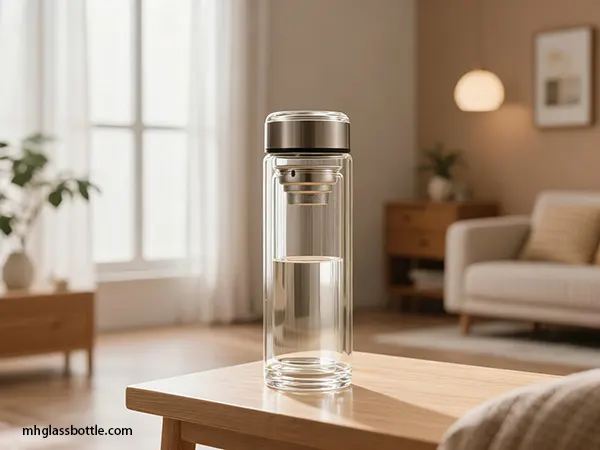
The reusable glass water bottles are higher than the hydration vessels; They reflect personal values and environmental responsibility. Their passive nature ensures pure water, while durability, design and protective measures reduce dependence on single-use plastic. Life cycle analysis confirms environmental benefits, especially with frequent use and recycling. From material science to thoughtful design, Minghang glass bottles provide safe, durable and stylish hydration at a time, supporting a healthy, greenery lifestyle.
Table of Contents
- Understanding Glass Water Bottles: Material Science and Safety
- Health and Purity: Why Glass is the Superior Choice
- Environmental Footprint: The Sustainable Lifecycle of Glass Bottles
- Design, Durability, and Features
- Practical Care and Maintenance
- Cost-affect and Price Proposal
- Choosing Your Perfect Glass Bottle: A Buyer's Guide
- Conclusion: Embracing a Healthier, Greener Future