EN
EN AR
AR BG
BG HR
HR CS
CS DA
DA NL
NL FI
FI FR
FR DE
DE EL
EL HI
HI IT
IT JA
JA KO
KO NO
NO PL
PL PT
PT RO
RO RU
RU ES
ES SV
SV TL
TL IW
IW ID
ID LV
LV LT
LT SR
SR SK
SK SL
SL UK
UK VI
VI HU
HU TH
TH TR
TR FA
FA GA
GA LA
LA MI
MI MN
MN

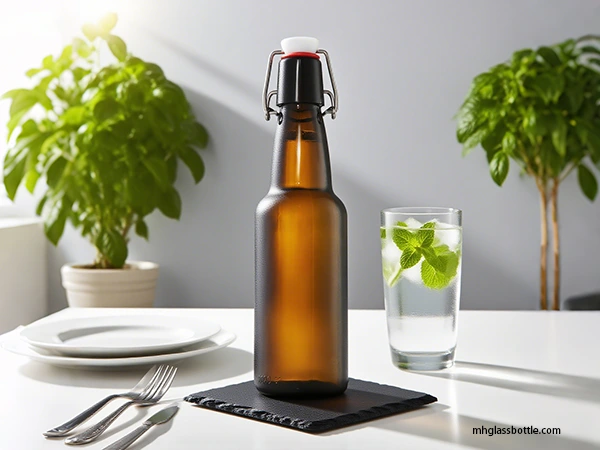
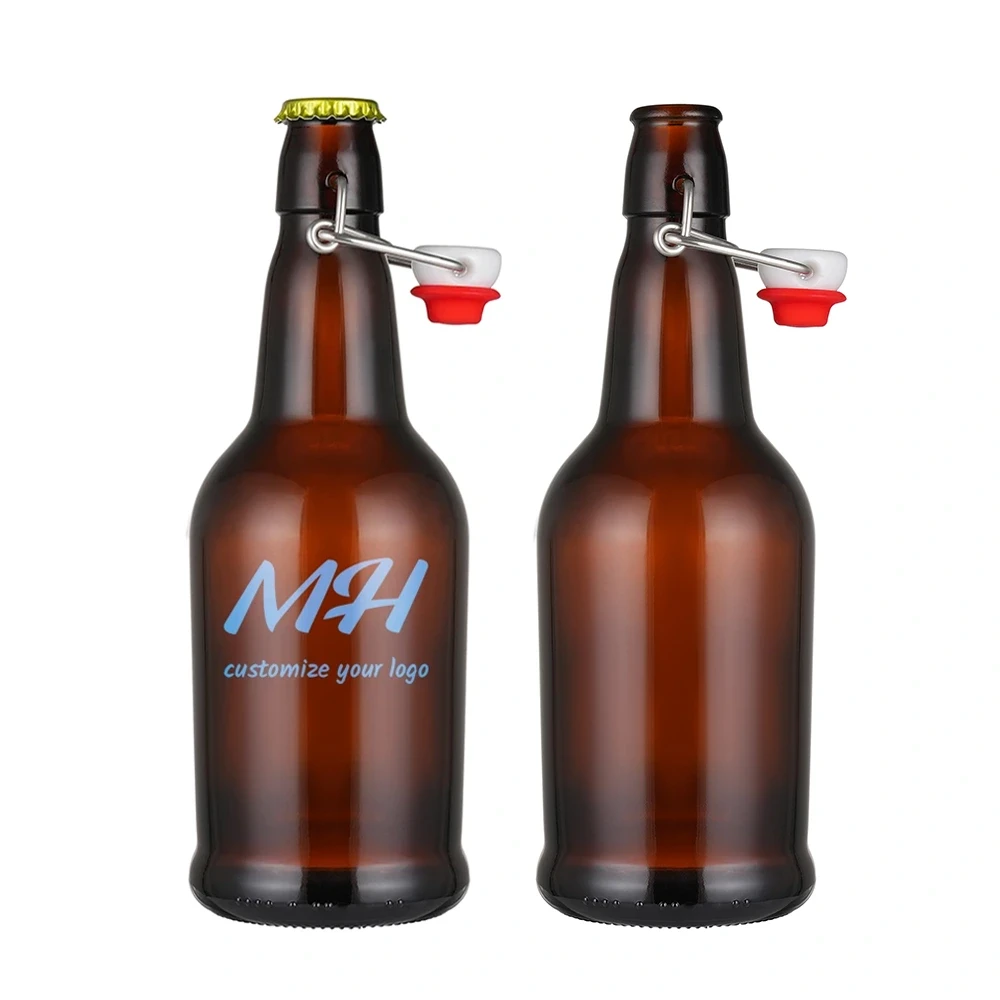
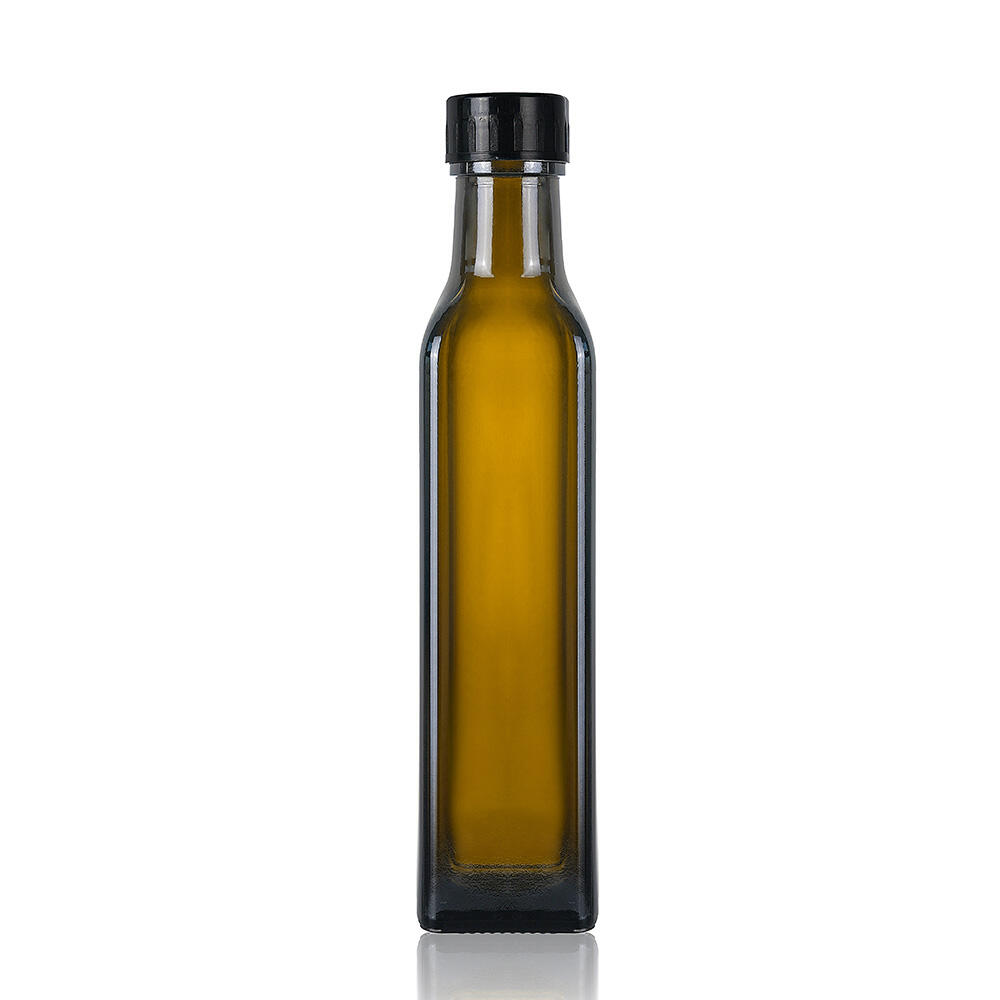
Amber glass bottles are one of the most reliable and versatile packaging solutions in today's global market. Ultraviolet (UV) is known for their ability to block light, amber glass bottles play an indispensable role in preserving sensitive products such as pharmaceuticals, cosmetics, essential oils and food and beverages. For wholesale buyers, amber glass bottles are more than ordinary containers. They represent a strategic decision that balances quality, compliance, cost-efficiency and stability. With a steady increase in global demand, business adopting a systematic approach to purchase can secure better pricing, high credibility and long -term partnership with reliable suppliers. This broad guide discovers the purchase of amber glass bottles from each angle - strategic specifications, cost adaptation, supplier management and trends of emerging industry - so that B2B buyers can inform, profitable decisions.
Specific Requirements and Amber Glass Compliance for Bottles
Amber Glass Pharmaceutical Application of Bottles
Pharmaceutical companies greatly trust amber glass bottles due to their light-fidgeting properties. Drugs such as antibiotics, vitamins and liquid yogas are highly sensitive to UV rays, which can degrade their active ingredients. Regulatory officials such as the USP (United States Pharmacopia) and BP (British Pharmacopia) set strict standards for packaging.
Amber glass bottles for pharmaceuticals must:
- Meet ISO and GMP compliance.
- Maintain dimensional accuracy to ensure compatibility with droppers and caps.
- Guarantee chemical resistance and inertness.
Due to these factors, the price of pharmaceutical-grade amber glass bottles is higher than standard bottles.
Cosmetic and Skincare Uses of Amber Glass Bottles
In the cosmetics sector, amber glass bottles serve both functional and branding purposes. High-end serum, face oil and cream are often packed to protect light damage in amber glass bottles and maintain a luxury image. Dark colored tints also express natural and organic conditions, appealing to consumers consumers towards the environment.
Cost factors include:
- Customized shapes and frosted finishes.
- High-quality printing or labeling.
- Specific closures such as pumps, sprayers and droppers.
Amber Glass Bottles Essential Oil and Food Packaging
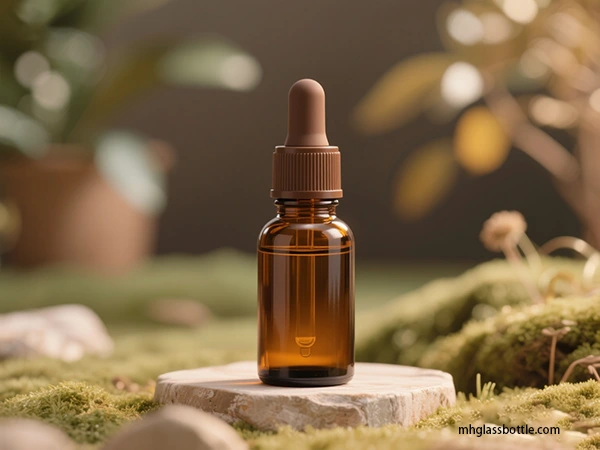
Essential oils are among the lightest-sensitive substances, making amber glass bottles a global standard for this industry. Typically, amber bottles for essential oils are 5ml, 10ml, 15ml, and 30ml size, with 18 threaded necks for droppers or roll-on applicants.
In the food and beverage sector, amber glass bottles are used for products:
- Craft beer and premium drinks.
- Olive oil and extracts.
- Natural health supplements.
A combination of UV protection and premium branding makes bottles of amber glass a consistent option for this market.
Volume-Based Cost Optimization in Amber Glass Bottle Procurement
Understanding the Capacity and Pricing Structures of the Bottle
Amber glass bottles are manufactured in many capabilities, ranging from 0.5 ounces (15ml) to 32 ounces (1L). Naturally, large bottles consume more raw materials and have higher costs per unit. However, Scale's economies play a role - ordering 100,000 small bottles can be more expensive than ordering 10,000 large bottles.
Minimum Order Quantity
Manufacturers often apply an ooQ to amber glass bottles, especially to custom designs. For example:
- Standard stock bottles may start at 10,000 units.
- Custom-designed bottles often require a full container load (FCL).
- Balancing the MOQ requirements with an estimated demand is important for the adaptation of cost and storage.
Logistics and Shipping Ideas
Amber glass bottles are delicate and require special packaging such as corrugated dividers, shrinking wrapped and palette. Wholesale buyers should be the factor of shipping cost, warehousing and possible rupture when calculating the cost of the right land.
Technical Specification of Amber Glass Bottles
Neck Finish and Global Standard
Amber glass bottles are produced with standardized neck finish to ensure closed compatibility. Two main standards dominate:
- GPI/GCMI (North America) - Common Finnish includes 22/400 and 24/410.
- DIN (Europe/Asia) - Din18 and Din20 are widely used in pharmaceuticals and essential oils.
- Selecting the right neck finish ensures safe sealing and prevents the product leakage.
Closure Options and Their Impact on Pricing
Closures significantly affect both usability and total cost of amber glass bottles. Options include:
- Continuous thread (CT) Cap: Available affordable and widely.
- Child-resistant closure (CRC): mandatory in drug packaging.
- Tamper-latent cap: Ensure product safety and consumer trust.
- ROPP (roll-on pilfer-proof) closure: Common in Spirits and Beverages.
- Premium closures, raising costs, provide increased brand positioning.
Quality Assurance and Tolerance
High quality amber glass bottles undergo rigorous tests:
- Dimensional consistency.
- Pressure and thermal shock resistance.
- Light transmission performance.
- These standard products protect both integrity and brand reputation.
Global Sourcing Strategies for Amber Glass Bottles
Cost and Geography Ideas
Amber glass bottles are complete in North America, Europe and Asia-Pacific. Each region consists of different cost structures:
- China and India-cum-cost, high-vantage production.
- Europe (Germany, Italy, Poland) - premium design and low lead time.
- Mexico – Growing as a competitive supplier for the US market.
Balancing Lead Times and Quality
Importing amber glass bottles from Asia offers cost savings but may involve long lead times (60–90 days). Local suppliers provide faster turnaround but often at higher prices. Companies must evaluate the total landed cost versus supply chain agility.
Risk Mitigation in Global Procurement
Wholesale buyers should account for:
- Fluctuating freight rates.
- Currency exchange risks.
- Duties and tariffs.
- Suppliers audit and quality inspection.
- A multi-sourcing strategy ensures flexibility and reduces risk.

Suppliers Veting and Conversation Strategy
Major Suppliers Assessment Criteria
When choosing a supplier of amber glass bottles, consider:
- Certificate: ISO 9001, ISO 15378, and GMP.
- Production capacity and scalability.
- Quality Assurance Protocol.
- Environmental stability practices.
Amber Glass Bottle Conversations
Successful talks often involve:
- Request several quotes to compare baseline pricing.
- To take advantage of long -term contracts for better conditions.
- Bundling packaging components (bottles + closed) to reduce costs.
- Discussing flexible MOQs based on seasonal demand.
Construction of Long Term Participation
Amber glass bottle is from establishing confidence with suppliers:
- Priority production slot during deficiency.
- Low defect rate due to close cooperation.
- Opportunity for custom bottle design co-development.
Total Cost of Ownership for Amber Glass Bottles (TCO)
Direct and Indirect Cost Considerations
Beyond purchase price, amber glass bottles come with several cost layers:
- Direct: Manufacturing, closed, secondary packaging.
- Indirect: shipping, warehousing, customs and handling.
- Hidden: Breaking during transit, the product remembers defective bottles.
Adaptation Cost
Custom amber glass bottles require mold, special finish, or unique embossing. Mold fees can be $ 5,000- $ 30,000, and custom printing can add $ 0.05- $ 0.20 per bottle.
Balance Price and Value
Instead of fully focusing on the unit value, companies must calculate the cost of the product unit per product unit to evaluate true profitability.
Emerging Trends Shaping Amber Glass Bottle Industry
Lightweight Technologies
Manufacturers are developing light amber glass bottles using narrow neck press and blow (NNPB) technology. These bottles use less raw materials, reduce shipping costs, and maintain durability.
Stability and Recycling Initiative
Circular economy is demanding recycled amber glass bottles. Many suppliers now integrate Cullets in production, which helps brands to reduce their carbon footprint.
Digital Printing and Smart Packaging
Advanced surface treatment such as digital UV printing, QR code, and AR-competent label amber glass bottles are converted into interactive packaging solutions.
Premium and Rising Demand in Top Markets
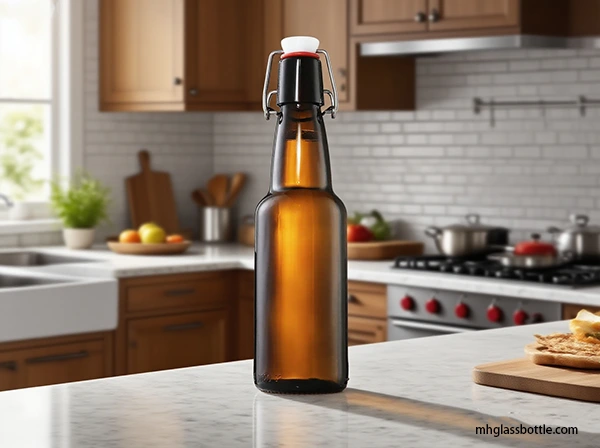
Craft bruries, organic skincare brands, and aromatherapy companies prefer amber glass bottles due to their premium look and environmentally friendly position.
Conclusions: Amber Glass's Strategic Purchase of Bottles
Amber glass bottles remain the foundation stone of global packaging in pharmaceuticals, cosmetics, essential oils and beverages. For wholesale buyers, the purchase is no longer about sourcing containers - this is about compliance, stability, cost efficiency and brand discrimination. Suppliers may master negotiations, understand technical standards, adapt to the total cost of ownership, and embrace stability, business can secure long -term competitive advantage. The future of amber glass bottles lies in the intersection of tradition and innovation: the classic UV security is combined with modern lightweight, smart packaging and circular economy solutions. For B2B buyers, people who quickly customize will capture both cost savings and consumer loyalty.
Table of Contents
- Specific Requirements and Amber Glass Compliance for Bottles
- Volume-Based Cost Optimization in Amber Glass Bottle Procurement
- Technical Specification of Amber Glass Bottles
- Global Sourcing Strategies for Amber Glass Bottles
- Suppliers Veting and Conversation Strategy
- Total Cost of Ownership for Amber Glass Bottles (TCO)
- Emerging Trends Shaping Amber Glass Bottle Industry
- Conclusions: Amber Glass's Strategic Purchase of Bottles
 ONLINE