EN
EN AR
AR BG
BG HR
HR CS
CS DA
DA NL
NL FI
FI FR
FR DE
DE EL
EL HI
HI IT
IT JA
JA KO
KO NO
NO PL
PL PT
PT RO
RO RU
RU ES
ES SV
SV TL
TL IW
IW ID
ID LV
LV LT
LT SR
SR SK
SK SL
SL UK
UK VI
VI HU
HU TH
TH TR
TR FA
FA GA
GA LA
LA MI
MI MN
MN

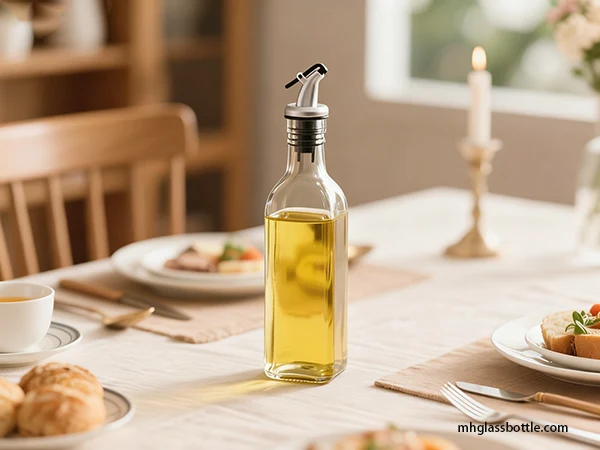
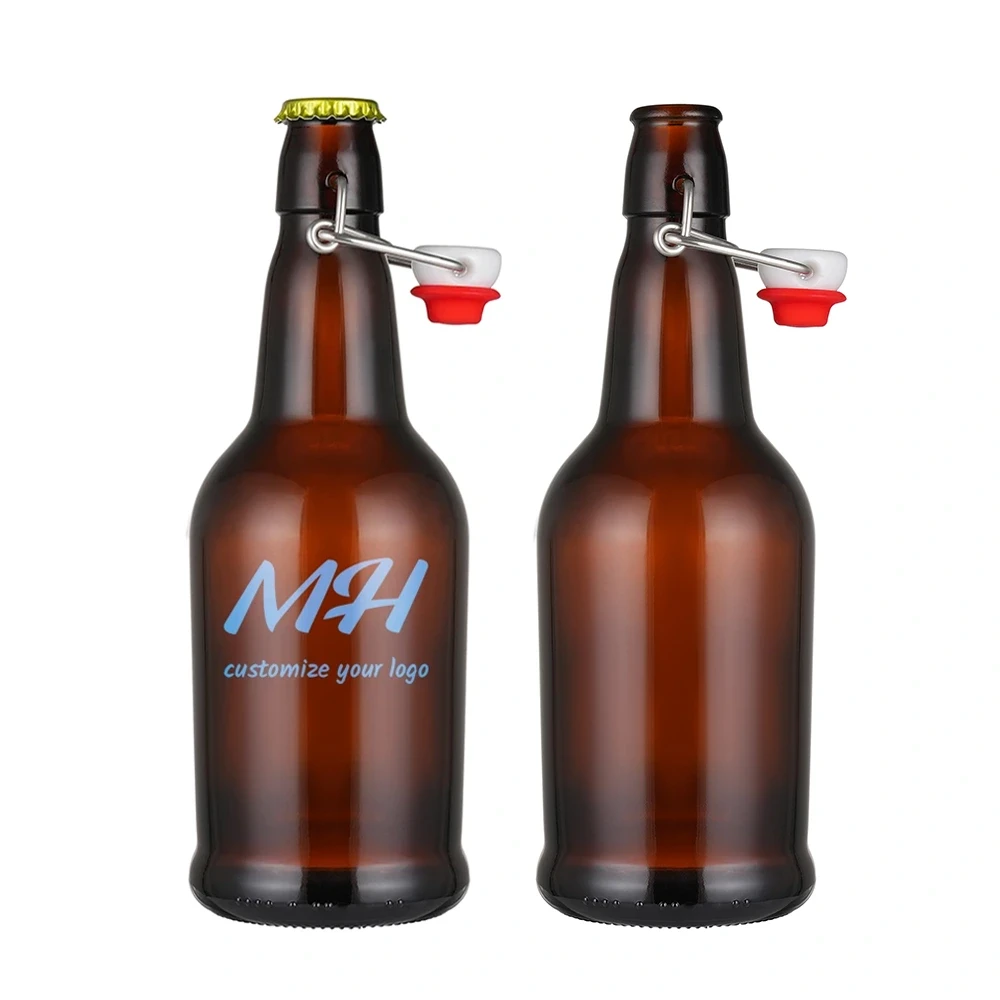
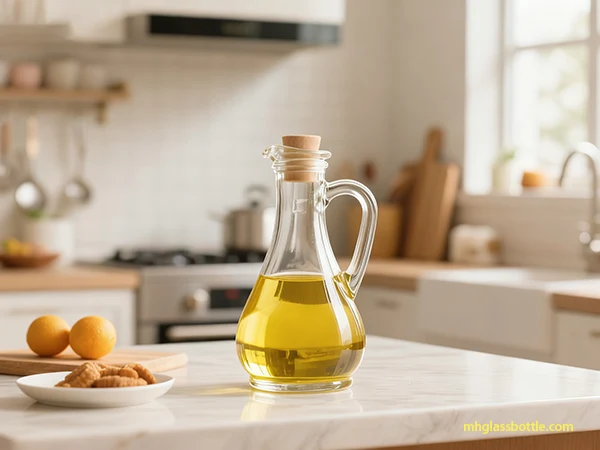
The global market continues to expand for the utensil and special food dispenser, which is operated by developing consumer preferences for convenience, aesthetics and health-conscious lives. Of these, the dispenser oil bottle is parked out as a staple, providing precisely for various cooking oils, vinegar and sauce, provides elegant storage and protection. High quality glass dispenser oil bottles not only preserve the taste and nutritional value, but also increase the visual appeal of the utensil display. This report provides a comprehensive outline for businesses looking to enter or expand this attractive market, describe important aspects of product specifications, regulatory compliance, suppliers management, international logistics, cost analysis and quality assurance. Our focus will be on ensuring a strong and profitable import operation, with specific attention to the benefits given by manufacturers such as Minghang. Minghang's dispenser oil bottle is famous for its borosilicate glass manufacture, providing better clarity, thermal shock resistance and long -term durability, which ensures that the oil remains fresh and uncontrolled during storage. Understanding the nuances of selection of oil bottle is important to maximize the success of the market, including the material, capacity and distribution mechanism. The option of a premium glass oil bottle can separate the products, attract sensible customers and increase the reliability of the brand. By early evaluating these major aspects, business can establish a streamlined purchase and supply chain strategy that balances cost-efficiency with quality and compliance. In addition, sourcing of the right dispenser oil bottle involves careful assessment of suppliers capabilities and international shipping logistics. A well -planned import operation ensures timely distribution, cost control, and adherence to global regulatory standards, providing competitive benefits in a crowded market. Manufacturers such as Minghang simulate high quality production standards and provide a benchmark for reliable, aesthetically pleasing and functional glass bottles.
Product Specifications and Sourcing Strategy
Oil Type and Compatibility
The desired use of dispenser oil bottle is paramount. Different oils have different viscosity, acidity levels and sensitivity to light and temperature.
- Olive oil and vinegar: Often, opaque or dyed glass is required to protect from UV fall, which can change the taste and nutritional content. Borosilicate glass, known for thermal shock resistance, clarity and dishwasher protection, is highly recommended.
- Coarse oil (eg, sesame oil): A broad spout or special pump mechanism may be required to ensure smooth dispensing without clogging.
- Soy sauce: Its high salt material requires corrosion resistant material to avoid undesirable compounds over time.
Bottle Materials
The choice of material affects durability, aesthetics, food security and cost.
- Glass: Premium glass dispenser was preferred for oil bottles. It is inactive, non-disinterested, recycled, and maintains the taste and purity of the oils. The uniformity of clarity and thickness is important for both safety and beauty appeal.
- Stainless steel: Protecting durable and opaque, light-sensitive oils, but prevents the visual monitoring of oil levels. Food-grade stainless steel (304 or 316) is required.
- Ceramic: provides artistic design and excellent opacity, often used for decorative bottles but can be heavy and delicate.
- Plastic (PET, PP): Light and shatter-resistant but chemical leaching and oxygen may allow permeability. If used, food-grade and BPA should be free.
Capacity
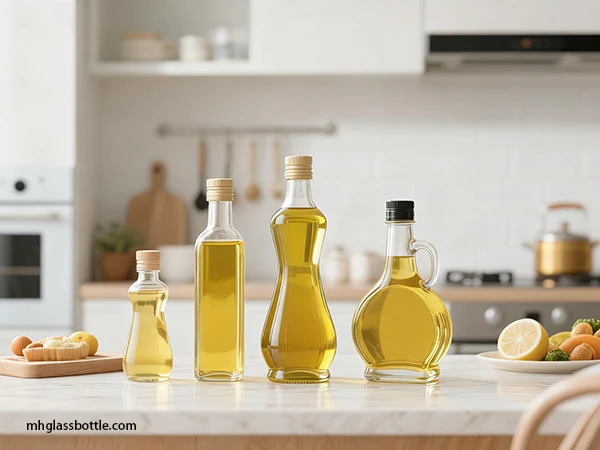
Dispenser oil bottles use patterns and consumer requirements to match various sizes:
- Small (150–250ml): ideal for special oils or tabletop presentation.
- Medium (300–500 ml): the most common for the use of daily kitchens.
- Large (750–1000ml+): suitable for wholesale users or commercial kitchen.
Capacity selection should consider consumer habits, refill frequency and storage facility.
Dispensing Mechanisms
Functionality is determined largely by pouring systems:
- Pour spouts: Stainless steel for durability, hinged caps for dust protection; plastic for economy but shorter lifespan.
- Integrated spouts: Designed for minimal drips and precise pouring. Often feature air-return vents for smooth flow.
- Spray mechanisms: Fine misters for salad dressings or light oil applications.
- Pump tops: Less common, suitable for thicker sauces or specialty oils.
Initial Order Quantity and Sourcing Approach
Manufacturers determine the minimum order quantity (MOQ) based on product complexity and adaptation:
- Direct manufacturer sourcing: Provides better pricing and adaptation, ideal for premium dispenser oil bottles.
- Trading companies/wholesale vendors: flexible for small MOQs but can reduce control over quality and specifications.
Sourcing strategy should be aligned with an estimated sale volume, budget and desired control level.
Regulatory Compliance and Certification
Food Contact Material Regulations
Dispenser oil bottles are food contact items and should follow international rules:
- USA (FDA 21 CFR): All ingredients must be GRAS or approved for food contacts, with testing for leachbals.
- EU (EC 1935/2004 and 10/2011): Materials should not transfer harmful substances to food. Plastic requires migration testing, while glass must be free from lead or cadmium.
- Germany (LFGB): One of the strict European Union's implementation, testing is rigid for safety compliance.
- Canada (health canada): Focus on chemical security, similar to FDA standards.
- Australia/new zealand (FSANZ): Ensures security and non-pleasures.
Material Safety and Chemical Restriction
- BPA-free: mandatory for plastic components.
- Lead and cadmium: Glass and glazes must be minimal or absent.
- Phthalates: restricted in plastic.
- Access (EU): Chemical regulation that indirectly affects the material.
Certification and Documentation
Suppliers should be provided:
- Testing report: From recognized laboratories (SGS, Intertek, TUV).
- Certificate of conformity (COC).
- Material safety data sheet (MSDS).
- Factory audit: Alternative but recommended (BSCI, SEDEX, ISO 9001).
Labeling requirements
- Native country (eg, "manufactured in China")
- Material Identification (eg, borosylic glass)
- Care instructions
- Food contact symbol
- Recurrence symbol
Suppliers Identification and Veterinarian
Early Search and Merit
- Online B2B platform: Alibaba, Global Source, Made-in-China.
- Trade show: Ambient, Canton Fair, Chicago Housever Show.
- Referral: Industry recommendations.
- RFQ assessment: Detailed inquiries specifying product glasses, MOQ, target price and certificate.
Bravery Criteria
- Production capacity: the ability to complete MOQs and future scaling.
- Quality management system: ISO 9001 certification, in-house QC procedures, defects.
- Experience and expertise: Siddha track record in glass oil bottles or similar utensils.
- Compliance and certificate: FDA, LFGB, CE, and Social Compliance Audit.
- Communication and transparency: Accountability and clarity.
- Sample evaluation: test functionality, material quality, durability and packaging protection.
Factory Audits
- Physical audit: Third-party inspection of production lines and facilities.
- Virtual audit: Video inspections and documentation review for initial assessments.
International Logistics, Customs, and Duties
Incoterms
- EXW: Maximum buyer responsibility.
- FOB: Common for sea freight; balance of cost and control.
- CIF: Seller pays cost, insurance, and freight.
- DDP: Seller handles all costs and customs duties.
Shipping Methods
- Char freight (FCL/LCL): Standard for importing affordable, dispenser oil bottles for large versions.
- Air freight: Fast, immediate or suitable for sample shipment.
- Express courier: fastest but expensive, mainly for samples.
Customs Withdrawal and Documentation
- Commercial invoice, packing list, bill bill, basic certificate, import license (if necessary), compliance certificate.
- The use of freight forwarders and customs brokers is highly recommended.
Tariffs, Duties and Taxes
- HS code: Duty rates (eg, for 7013.49 glass -made substances) determines.
- Duty rates and FTA: Check for preference agreements.
- Consider anti-dumping duties and VAT/GST: Landed Cost Counting.
Packaging, Risk Management and Quality Assurance
Protective Packaging
Foam inserts, corrugated dividers, shrinking wrapped, and double-boxing at least breakdown.
Risk Management
Suppliers reduce diversification, buffer stock, and insurance supply chain risks.
Quality Assurance
Inbound inspection, defect tracking, and AQL monitoring batch quality ensure quality.
Market Trends and Strategic Outlook
Consumer Trends
- Growing preference for premium, durable glass oil bottles.
- Increasing demand for part-controlled dispenser and aesthetics utensils.
Consistency Idea
Recycled glass use, environmentally friendly packaging, and low carbon footprints increase brand reputation.
Technology Integration
Production automation, AI-operated demand forecast, and supply chain transparency tools improve and reduce costs.
Conclusion
Importing dispenser oil bottles require careful plan in product specification, regulatory compliance, supplier selection and international logistics. High quality glass dispenser oil bottles preserve the integrity of oil, increase consumer perception, and provide long -term durability. Combined with strategic sourcing, proper documentation, shipping practices and quality assurance protocols, ensures profitability and operational efficiency. By understanding global rules, taking advantage of supplier expertise and implementing strong logistics and quality control, businesses can successfully import oil bottles that consumers meet the expectations and maintain competitive benefits. Gives sufficient opportunities for businesses prepared to manage complications of international trade, distributing products that combine growing markets, functionality, safety and beauty appeals for premium utensils, including glass oil bottles.