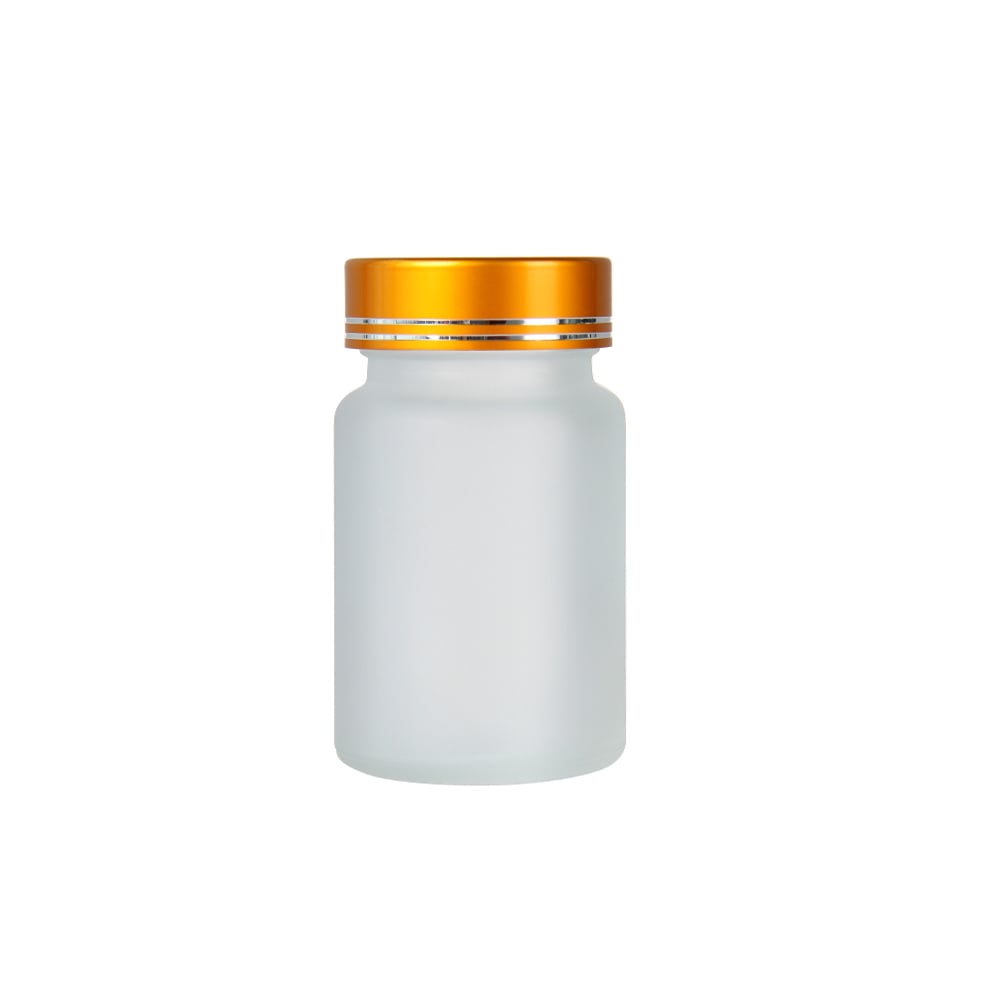
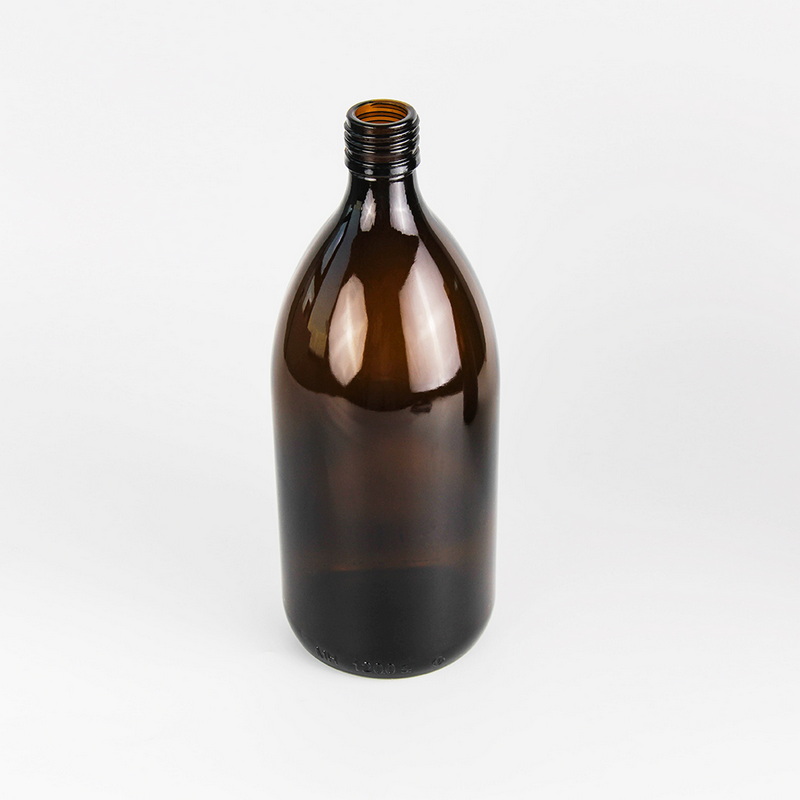
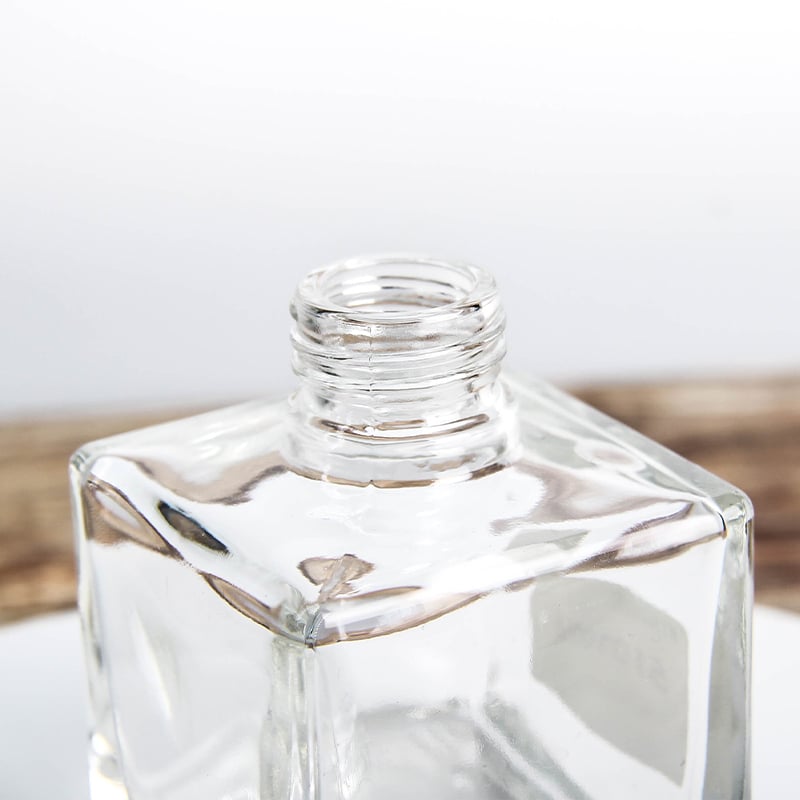
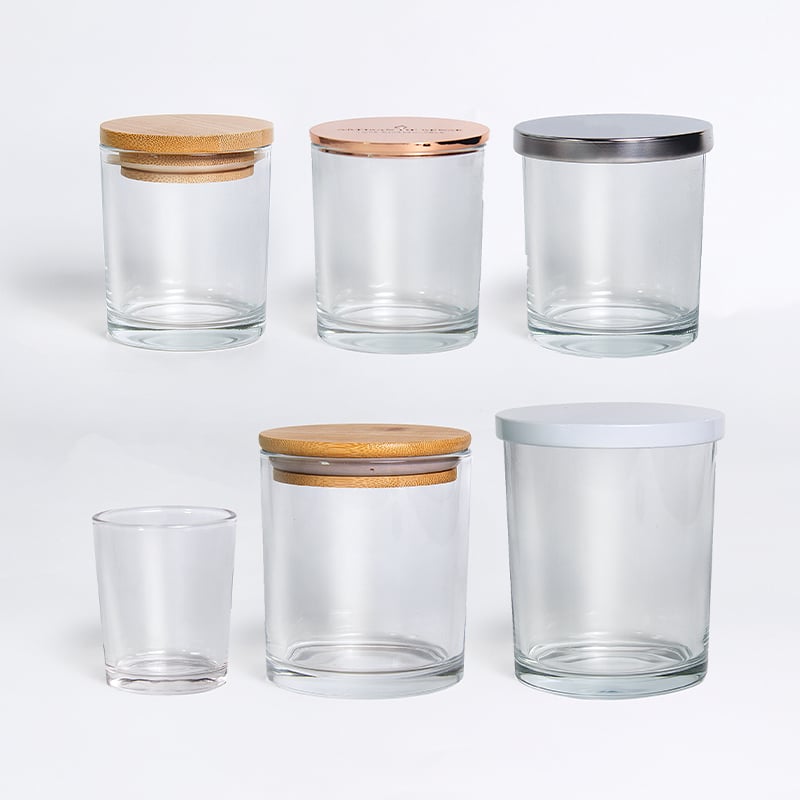
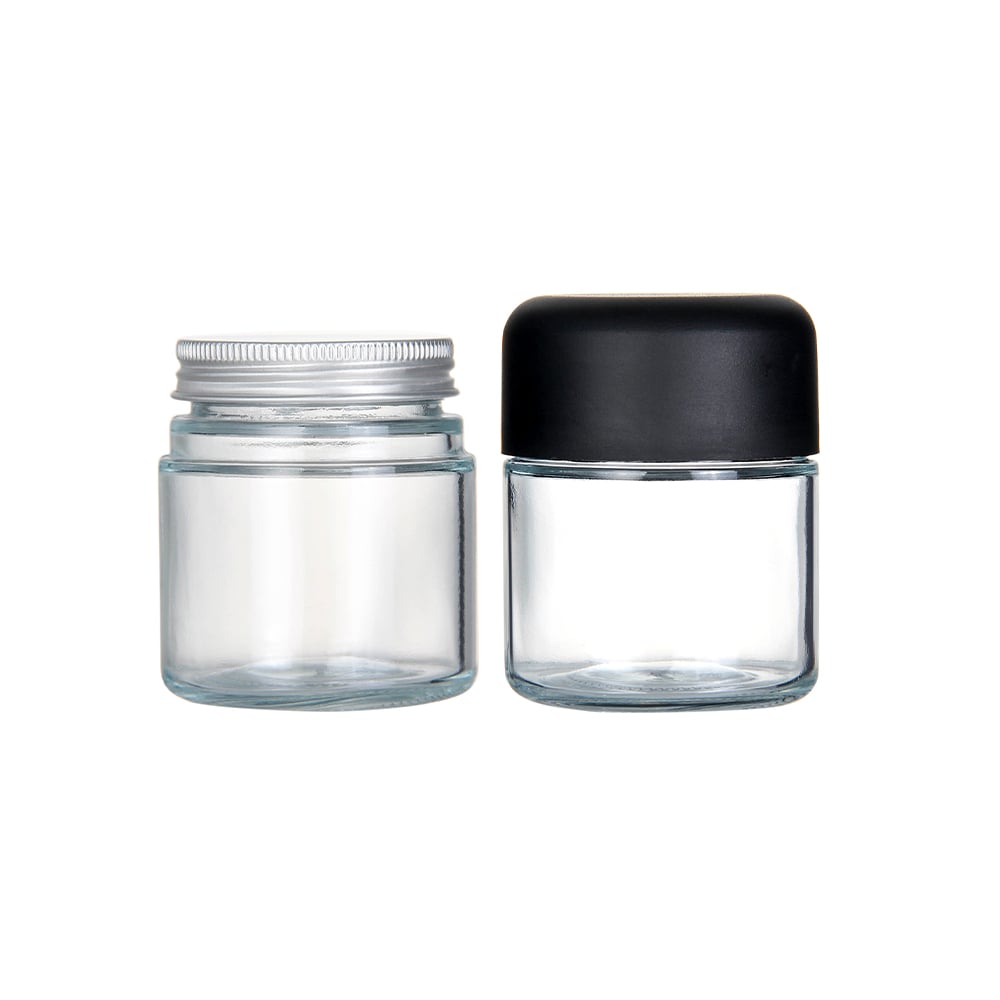
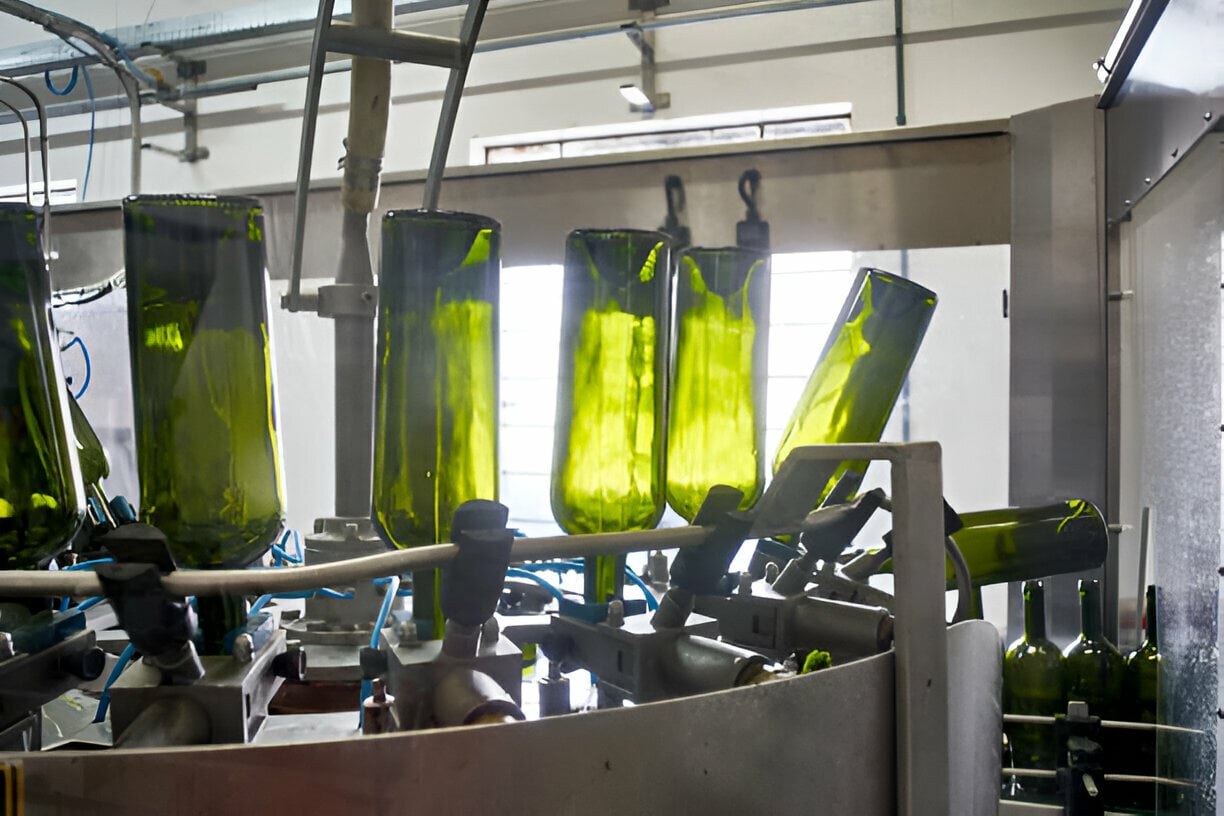
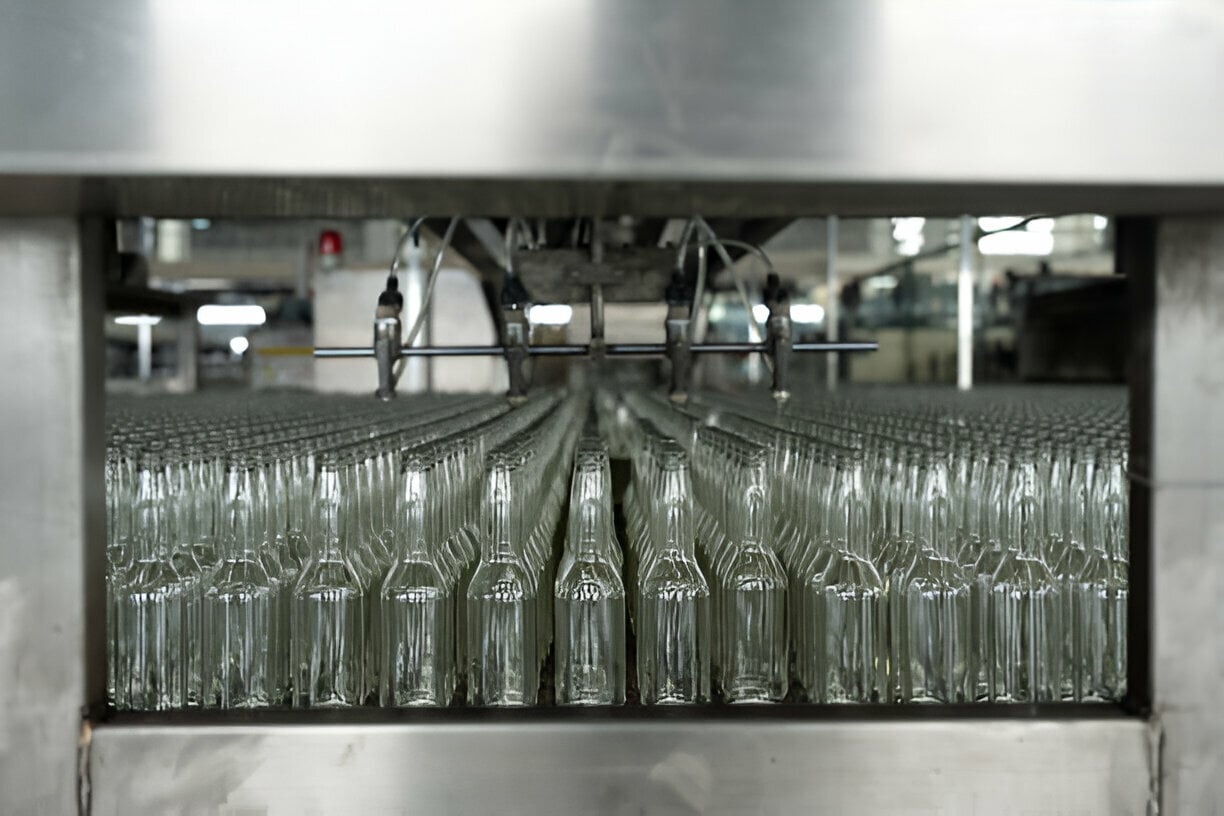
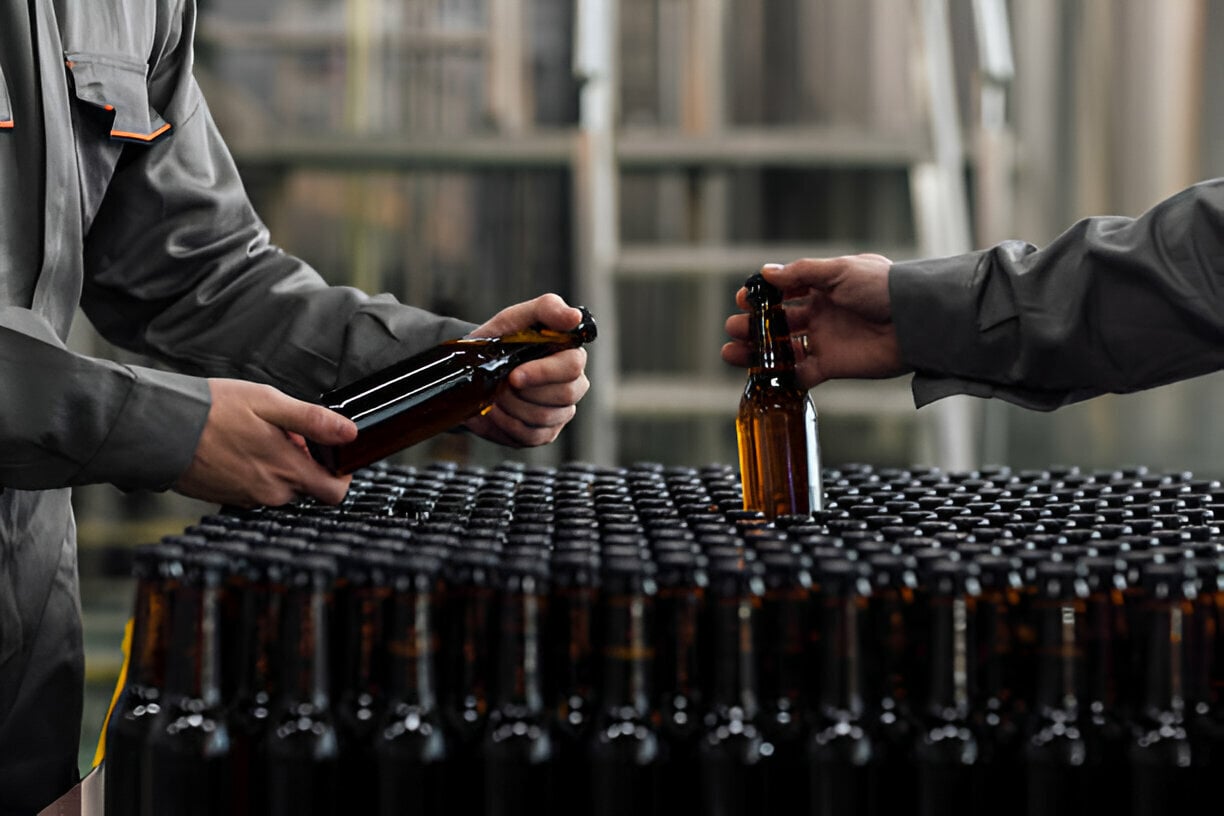
Strategic packaging purchases are important for businesses in food, crafts or candle industries, where presentation and conservation are important. For protection, sauce, or small-batch items, 4 ounce jam jars provide ideal part control and aesthetic appeal. Infection for bulk acquisition requires understanding operations, financial and logical factors. This guide efficiently fashes 4 ounces jam jars in bulk, ensuring quality, cost-effectiveness and supply chain flexibility. In particular, Minghang's 4 ounce jam jars stand out for their exceptional clarity and frequent glass thickness, providing reliable sealing and a premium presentation. These glass jars not only maintain product integrity, but also enhance the notion of the brand, making them ideal for small-batch food producers.
Define your specific jar needs and specifications
4 ounce jam jars before purchasing bulk, define your requirements properly. The jar choice product affects integrity, shelf life, market appeal and regulatory compliance.
Material Idea
A glass jar is the gold standard for a 4 ounce jam jar due to its inertness, perfection, and premium perception.
- Soda-lime glass: Common for Food Packaging; Trust recycled, stable, clear, pasteurization.
- Borosilicate glass: Better thermal shock resistance for special applications, but high cost.
Minghang's 4 ounce jam jars use high quality soda-laim glass, which ensures a uniform wall thickness and minimal defects, which increases durability during passworks and warm applications.
Lid Type and Neck Finish
Important for sealing and protection.
- Continuous thread (whistle) finish: screw-on lid, mango, safe seal. Lids are usually metals with a plasticol liner or plastic.
- Lug (Twist-Off) finish: Interrupted threads for quick sealing/opening, preferred for high-speed lines, excellent vacuum seal. Lids are almost exclusively metal with plastisol liners.
- Liner material: Plastisol liners are standard for hot-fill and vacuum sealing. Ensure BPA-non-intent (BPA-NI) or BPA-free.
Clarity and Aesthetic Considerations
Visual appeal is heavily influenced by the jar.
- High clarity: Essential for showcasing product. Opt for virgin glass with minimal imperfections.
- Shape and design: Classic round, hexagonal, square, or custom jars differentiate products. Consider impact on labeling, packing, and handling.
- Labeling area: Ensure ample, flat surface for labels, branding, and regulatory text.
Heat Resistance and Application Specifics
- Hot-fill and pasteurization: Jars must withstand thermal shock. Annealed glass with consistent wall thickness is key.
- Other applications: For crafts or candles, heat resistance is still a factor, though food-grade certifications may be less critical.
Quantifying "Bulk" and Its Financial Implications
"Bulk" is relative to business scale, supplier capabilities, and demand. Defining it optimizes purchasing strategy and financial outlay for 4 ounce jam jars.
Defining "Bulk" Across Business Scales
- Small business/startup: Many palettes (5,000-20,000 units) through regional distributors or online wholesalers.
- Medium-sized businesses: The volume of truck load (50,000-150,000 units) from manufacturers or national distributors.
- Large enterprises: Many truck loads or container-load (hundreds of thousands to millions) directly, often custom runs.
Minimum Order Quantity
Suppliers impose MOQs for profitability.
- Manufacturer MOQS: highest, often loaded full truck.
- Distributors MOQS: Less than manufacturers, accessible to small/medium businesses.
- Online wholesale traders: the lowest MOQS (Case-Level), but high unit prices; Pallet levels for wholesale savings.
Volume Discount and Unit Pricing
Bulk purchasing unit reduces costs.
- Tier pricing: The price per jar decreases with the volume.
- Conversation leverage: allow for large orders exemption, favorable payment terms or low shipping.
- Total cost of ownership (TCO): Consider unit price, shipping, storage and financing.
Financial Implications and Cash Flow
Bulk Purchase Up Capital.
- Upfront Investment: Adequate capital is required. Assess cash flow.
- Inventory holding cost: warehousing, insurance, untouchability, capital opportunity cost.
- Forecast accuracy: Accurate demand is paramount to avoid the forecast over-order.
Identification and veting of wholesale jar suppliers
The success rests on reliable, high quality suppliers. Completely reduces the veating risks and ensures frequent supply of 4 ounce jam jars.
Types of Wholesale Jar Suppliers
- Manufacturer (direct): The lowest unit cost for large versions, custom design. The highest MOQs, long lead times.
- National distributor: Comprehensive product range, competitive pricing for medium/larger versions, established logistics. More MOQs more than regional.
- Regional distributors: Lower MOQ, fast local distribution, personal service. Potentially high unit cost.
- Specific online wholesalers: convenient, transparent pricing, comprehensive selection for palette level orders. Shipping costs can be significant.
Locating Potential Suppliers
- Industry trade show
- Online directory and B2B Marketplace
- industry Association
- Referral
- Direct web search
Weighting Criteria and Proper Hard Work
- Reputation and track records: Review, reference, check the year in business.
- Certificate and compliance: FDA Standards, ISO Certificate, State Rules (eg, California prop 65).
- Product quality and stability: request samples, conduct the test run, inquire about QC procedures.
- Customer service and accountability: Assess the speed of communication and the desire to remove concerns.
- Financial stability: Look for long -lasting businesses.
- Logistics capabilities: Discuss shipping options, lead time and bulk packaging.
Spotlight: Advantages of Minghang Glass 4 Ounce Jam Jars
4 ounces of Minghang simulate the benefits of high quality bulk glass jar:
- Constant quality and clarity: minimal defects, premium presentation.
- Reliable sealing properties: Airtight, finished neck formed for leak-proof seal.
- Heat resistance for canning: strong for hot-filling, water bath canning and passworks.
- Standard dimensions: compatible with various capsing and labeling equipment.
- Beauty appeal: Classic, clean design, versatile for branding.
- Price for money: balance quality, reliability and cost-effectiveness.
- Food-grade certification: BPA-free LID option, certified for food security.
Considering brands such as Minghang, supplier smells selection, focuses on proven quality for 4 ounce jam jars and jam jars.
Regulator Compliance and Quality Assurance
For 4 ounces of jam jars used for food, regulatory compliance and stringent quality assurances are non-conversion to avoid recall and liabilities.
Regulatory Compliance
- Food and drug administration (FDA) regulations (USA): Glass Grass. Coatings, ink, lid materials should be followed (eg, 21 CFR Part 177). Ensure BPA-Free/BPA-NI lid liner. The jar should be free from harmful leads/cadmiums.
- State-specific rules (eg, California Proposal 65): Follow warning requirements for some chemicals.
- International Regulations: Compliance with destination country rules (eg, Food Sector Regulation of the European Union).
Quality Assurance Protocols
- Suppliers audit: Verify quality management, hygiene, and adherence to specifications.
- Incoming material inspect: Visual check (chips, cracks), dimensional check (neck finish), weight check, thermal shock test (sample), seal integrity test.
- Accepted quality limit (AQL): Install AQL for defects with suppliers.
- Dosual management: Classification of defects, conduct the basic cause analysis, a clear return/replacement policy.
- Traceability: Track each batch by lot number, date and supplier for recall management.
Stability and Moral Sourcing Ideas
It is a strategic imperative to integrate stability and moral practices in wholesale purchase of 4 ounce jam jars.
Environmentally responsible purchase
Recycled materials (PCR glass): prefer PCR material to reduce virgin material, energy and waste. (Note: High PCR can cause minor color variation).
- Recyclaability: Glass is 100% recycles. Ensure that lids are also recycled.
- Lightweight: Reduce glass thickness to reduce carbon footprint and shipping costs.
- Local sourcing: Reduce transport emissions, support local economies.
- Closed loop system (speculative): Explore future returns-end-regimen programs.
Ethical Supply Chain Considerations
- Labor practice: Inquire about fair labor, safe conditions, no child/forcible labor. See for Sa8000.
- Environmental effects of manufacturing: Assess the footprint, renewable energy use, waste management of the supplier.
- Transparency: Participated with transparent suppliers about sourcing and stability.
Conversation Strategies and Contract Management
Effective interaction and strong contract management protects a stable, long -term supply of safe favorable conditions and 4 ounce jam jars.
Conversation Strategies
- Preparation is important: market research, know your needs, understand the position of the supplier, define the distribution.
- Major negotiation points: unit price, mOQ, payment terms, distribution programs, quantity discounts, quality guarantee, penalty section, price increase/D-size, specificity.
- Build relationships: foster collaborative participation.
Contract Management
- Formal agreements: Always use written contracts.
- Major contract elements: Product specifications, pricing/payment, distribution terms (incoterms), quality assurance, warranty, compensation, force Major, expiration claus, dispute solution.
- Performance monitoring: Regularly review the supplier KPI (on-time delivery, defect rate).
- Regular reviews: Discussion on demonstrations, market changes, future needs.
Future-Proofing Your Jar Supply Chain
Future proofing involves the possibility of changing your 4 ounce jam jar jar supply chain, embrace innovation and flexibility against disruption.
Estimated Market Change
- Consumer priorities: monitor demands for durable material, aesthetics, convenience.
- Innovation: Stay updated on progress in glass or alternative materials.
- Regulatory changes: Be informed about the upcoming packaging rules.
Technological progress in packaging
- Automation in manufacturing: for stability, efficiency, low cost.
- Advanced analytics and AI for demand forecast: Improves prediction accuracy.
- Blockchain for traceability: Increase supply chain transparency.
Potential Supply Series disintegration and contingency plan
- Diversification of suppliers: Establishment of primary and secondary suppliers, geographical diversification.
- Buffer stock strategy: Maintain security stock for short -term shock.
- Alternative materials or design: contingent plan for emergency options.
- Risk assessment matrix: Identify risks, assess the possibility/impact, develop mitigation strategies.
- Digital change and visibility: end-to-end visibility, future stating analysis, cooperation platform.
By adopting a forward -looking perspective and building flexibility, your business ensures a stable, optimal supply of 4 ounce jam jars, protects against future uncertainties. Bulk purchase 4 ounce jam jar are versatile journey that requires careful planning, proper hard work and continuous adaptation. From defines specifications and understanding financial implications to vetting suppliers and navigating logistics and rules, each step is important. Hugging sustainable practices, mastery in conversations, and proofing your supply chain in a strategic profit changes the purchase, which ensures frequent quality, efficiency and continuous growth.
Table of Contents
- Define your specific jar needs and specifications
- Quantifying "Bulk" and Its Financial Implications
- Identification and veting of wholesale jar suppliers
- Regulator Compliance and Quality Assurance
- Stability and Moral Sourcing Ideas
- Conversation Strategies and Contract Management
- Future-Proofing Your Jar Supply Chain
EN
AR
BG
HR
CS
DA
NL
FI
FR
DE
EL
HI
IT
JA
KO
NO
PL
PT
RO
RU
ES
SV
TL
IW
ID
LV
LT
SR
SK
SL
UK
VI
HU
TH
TR
FA
GA
LA
MI
MN