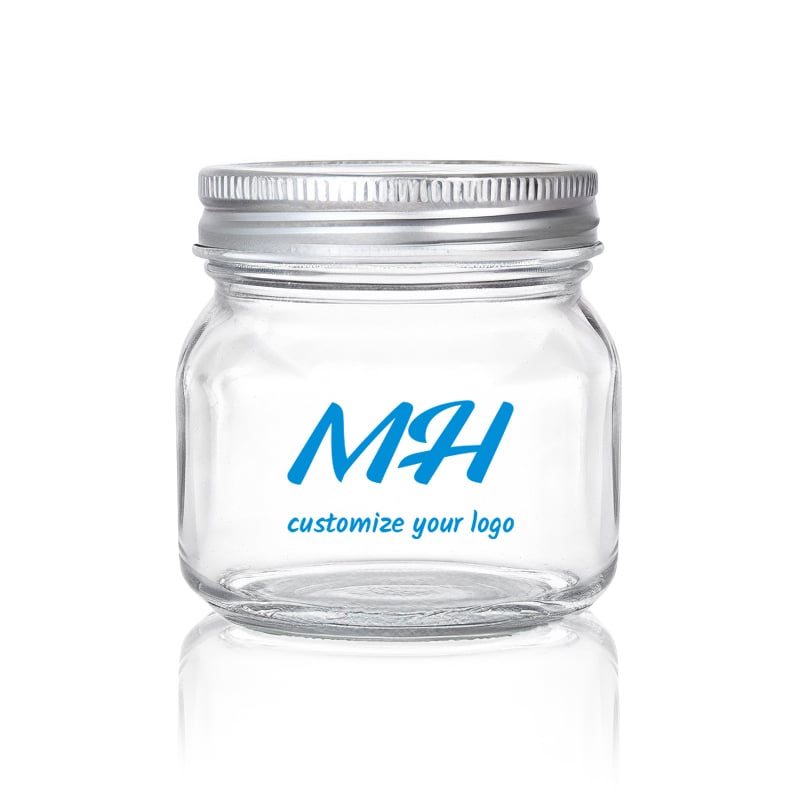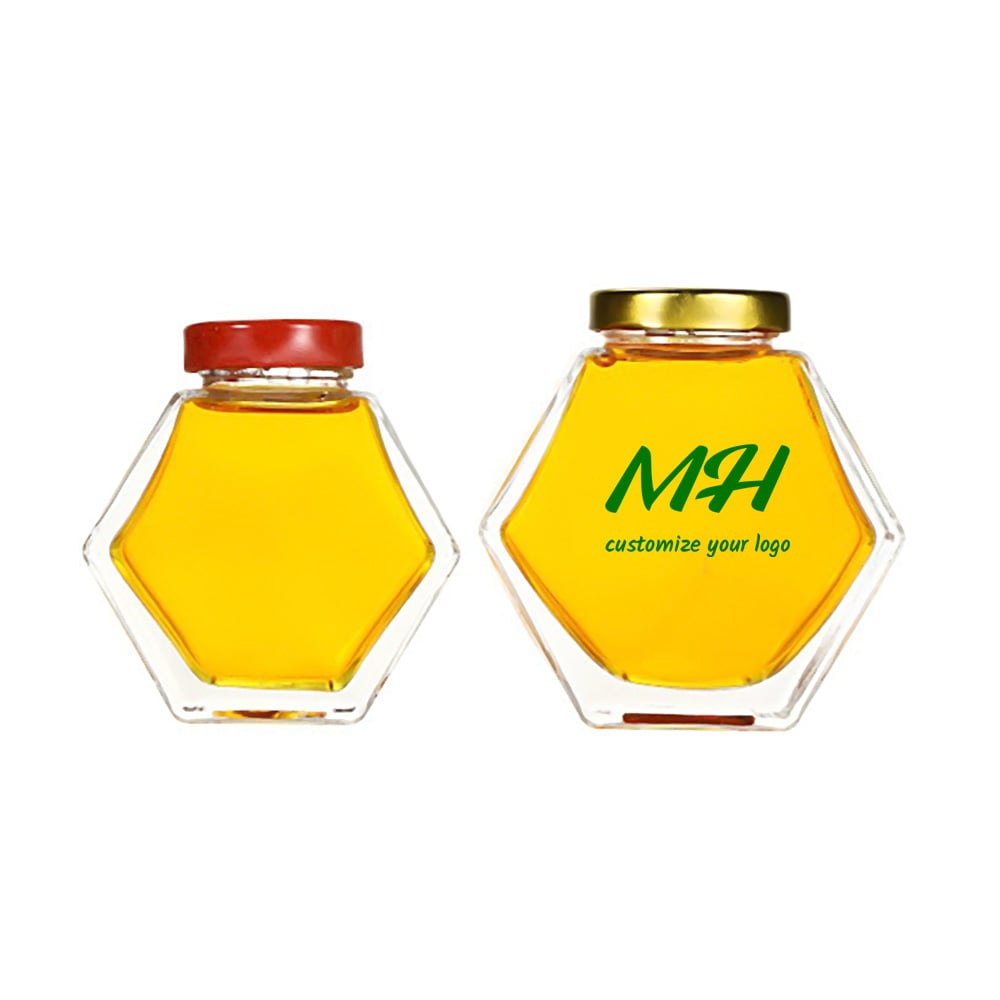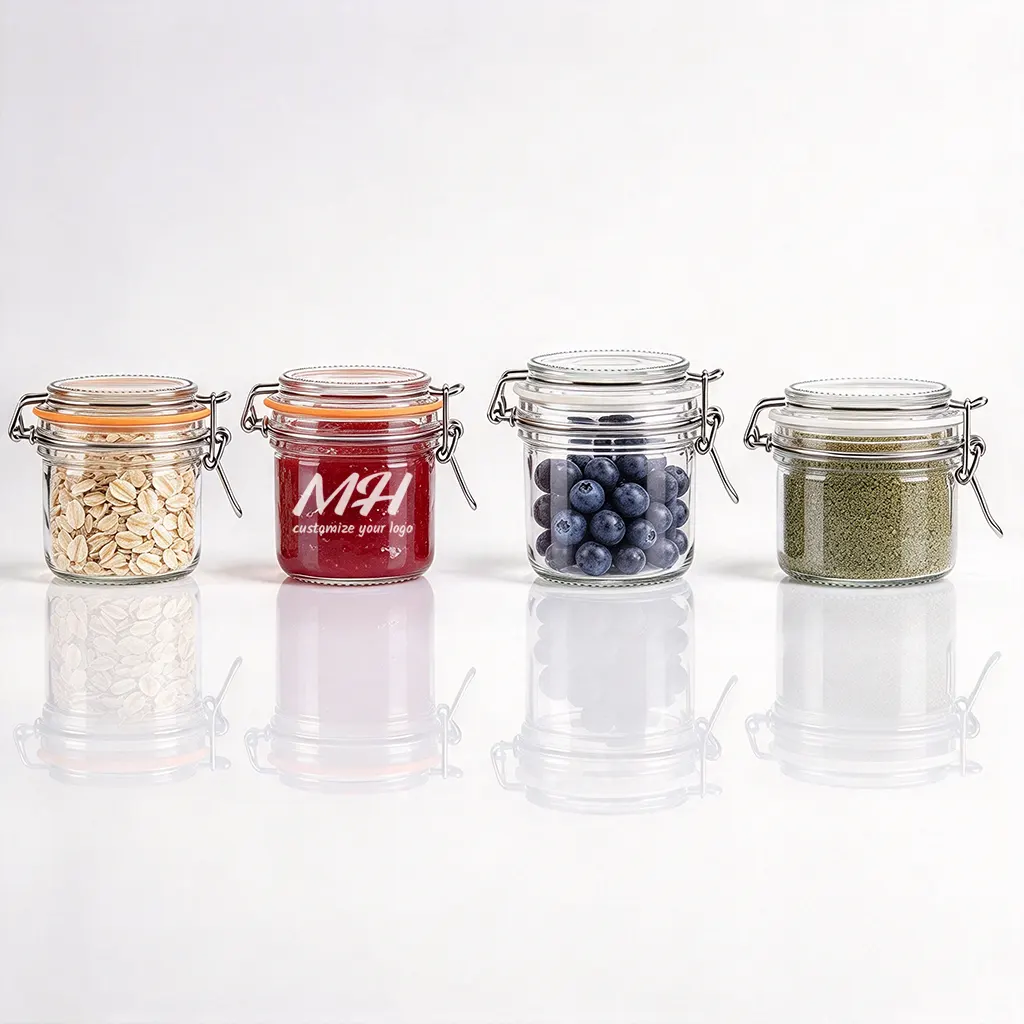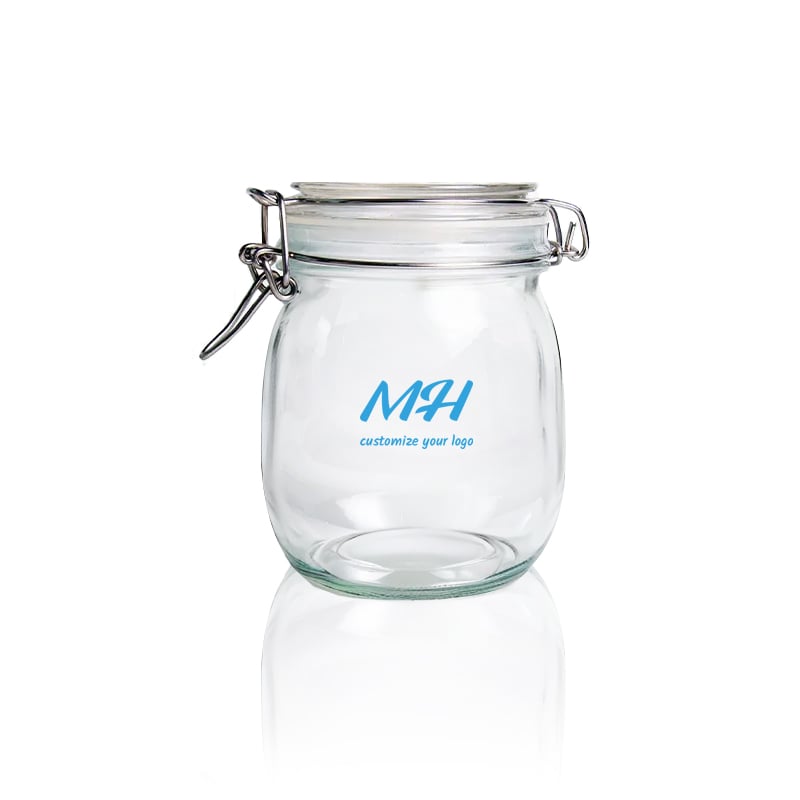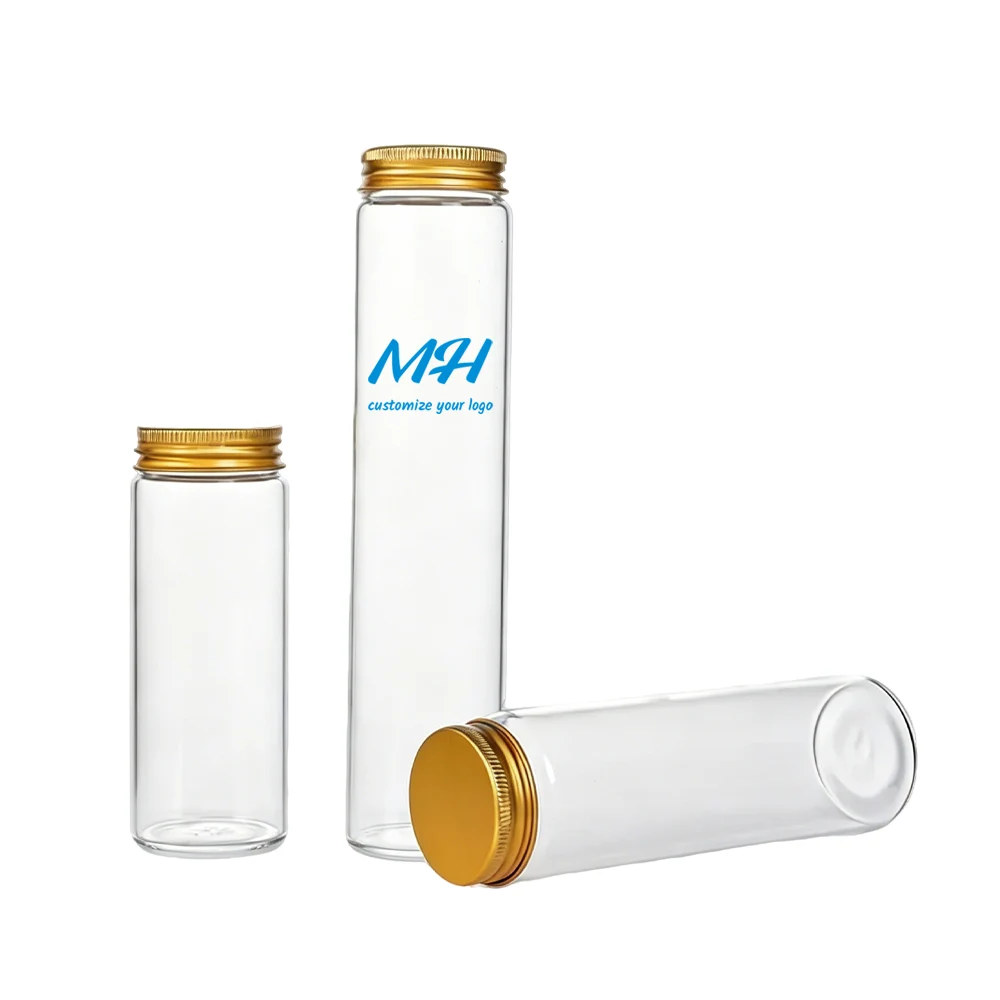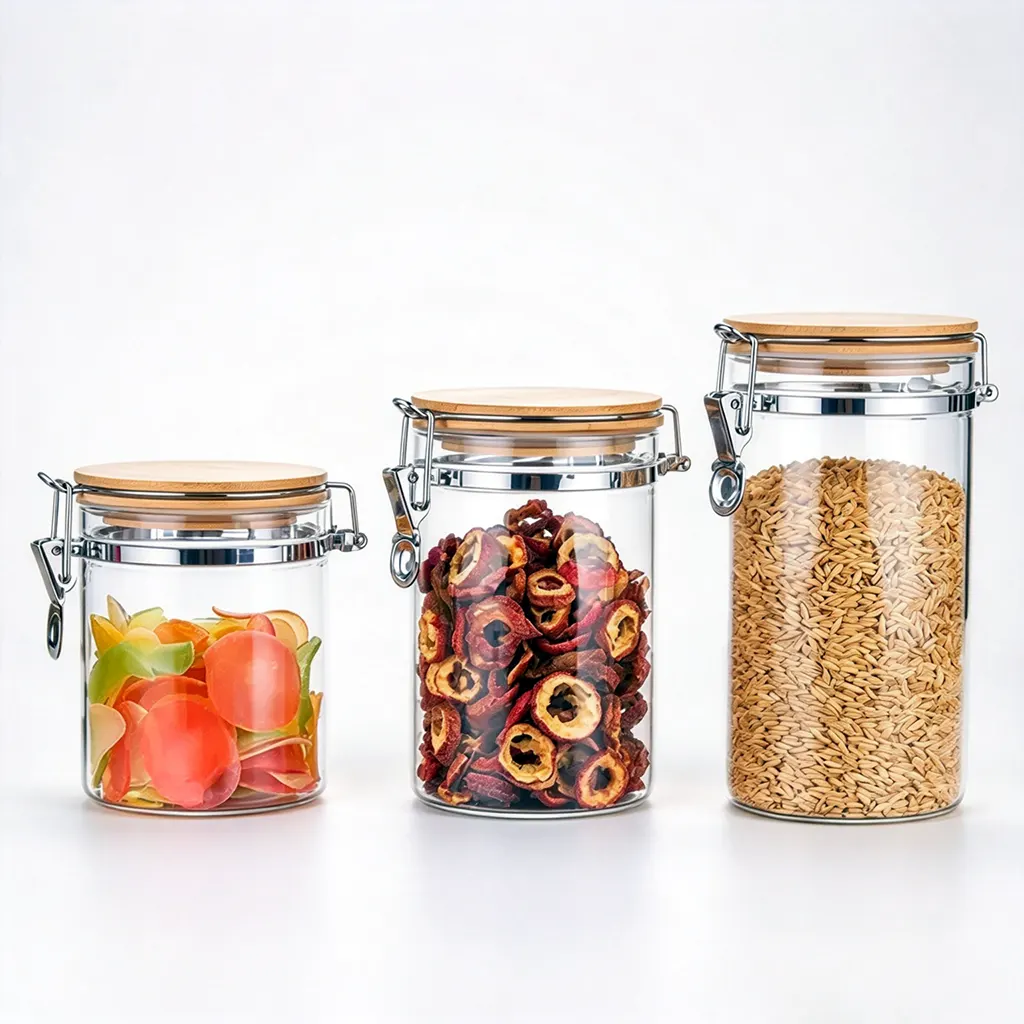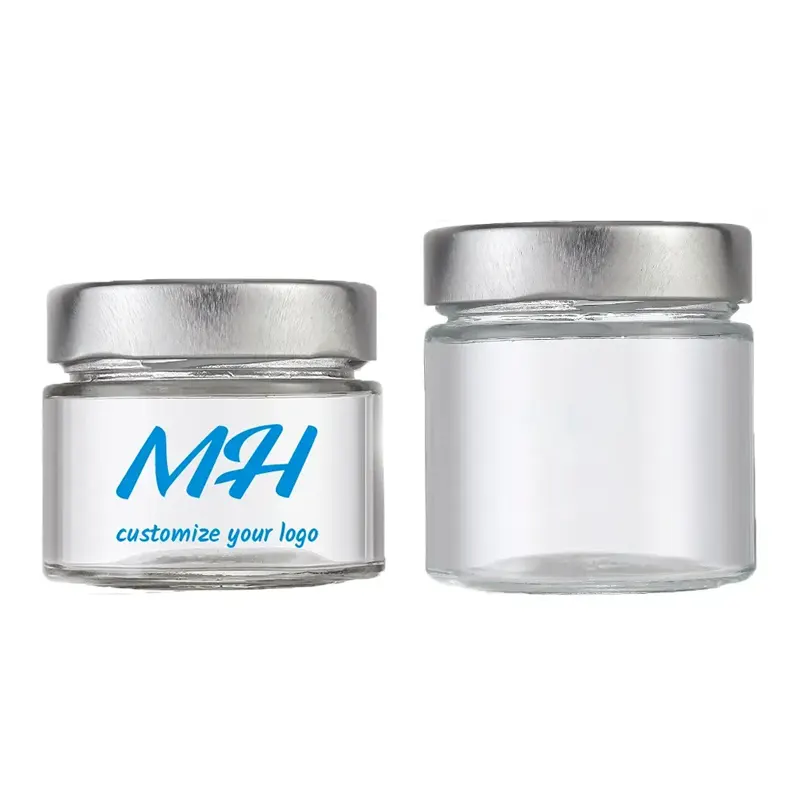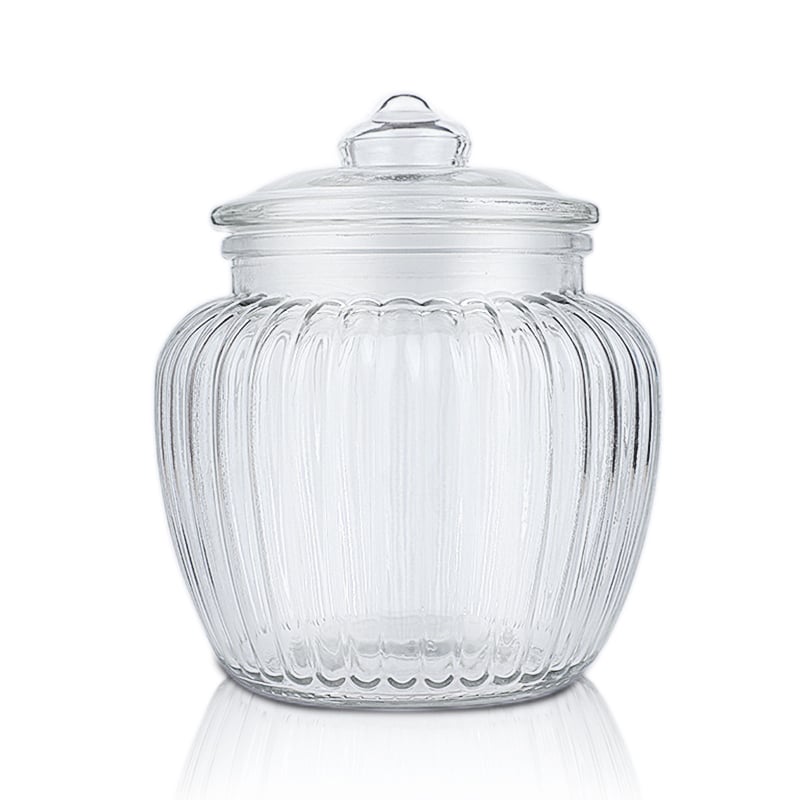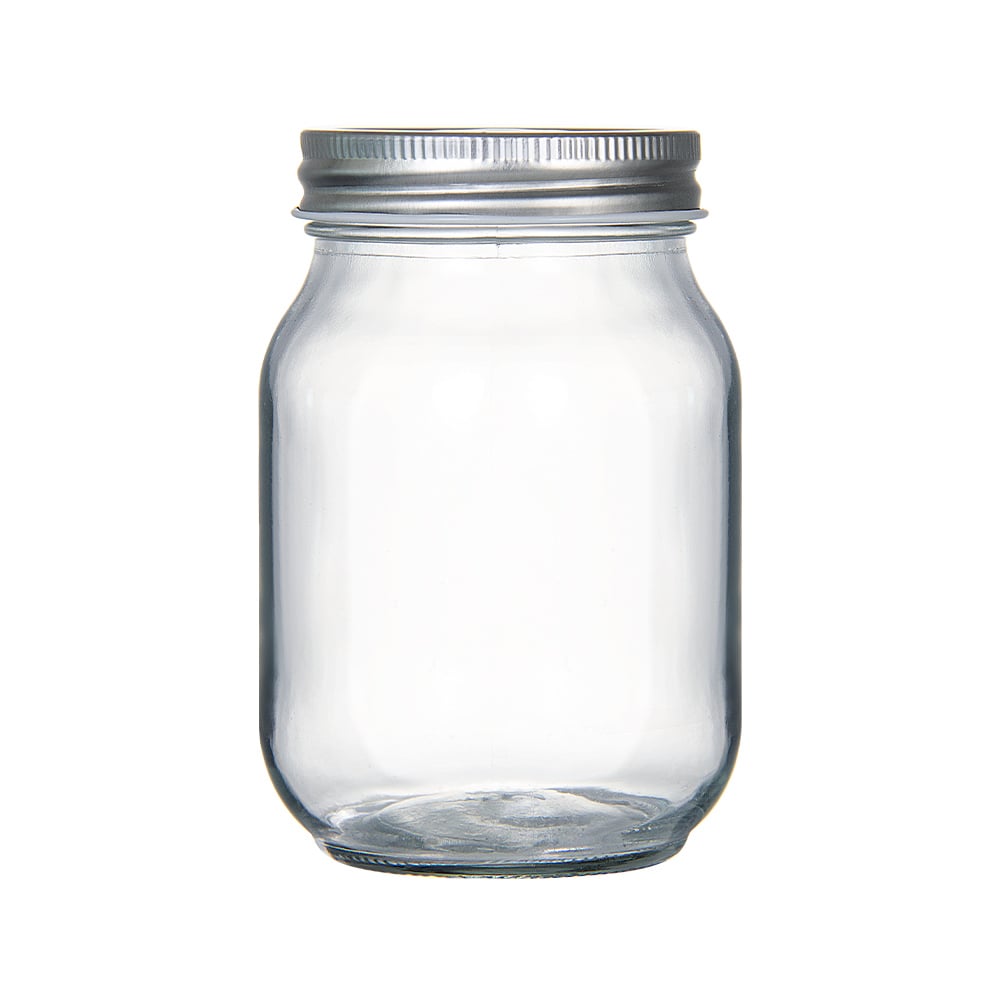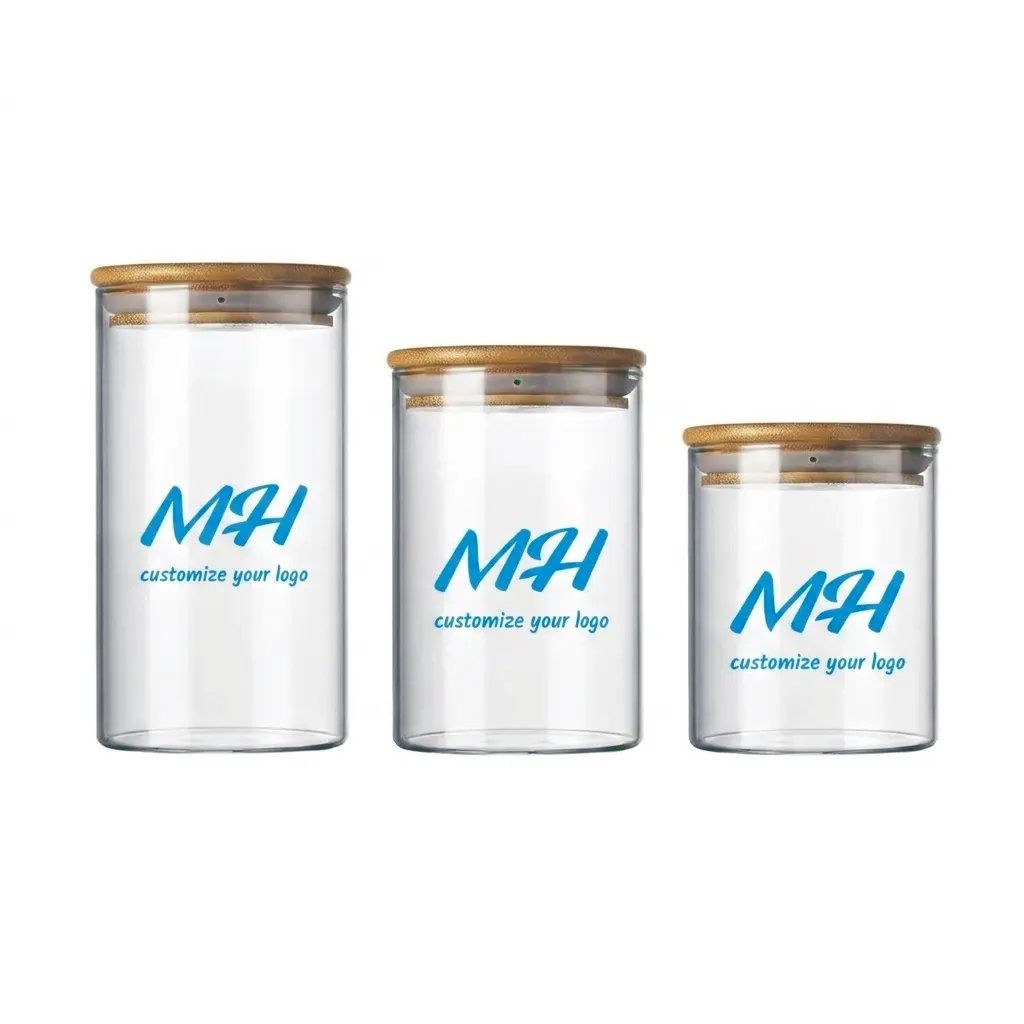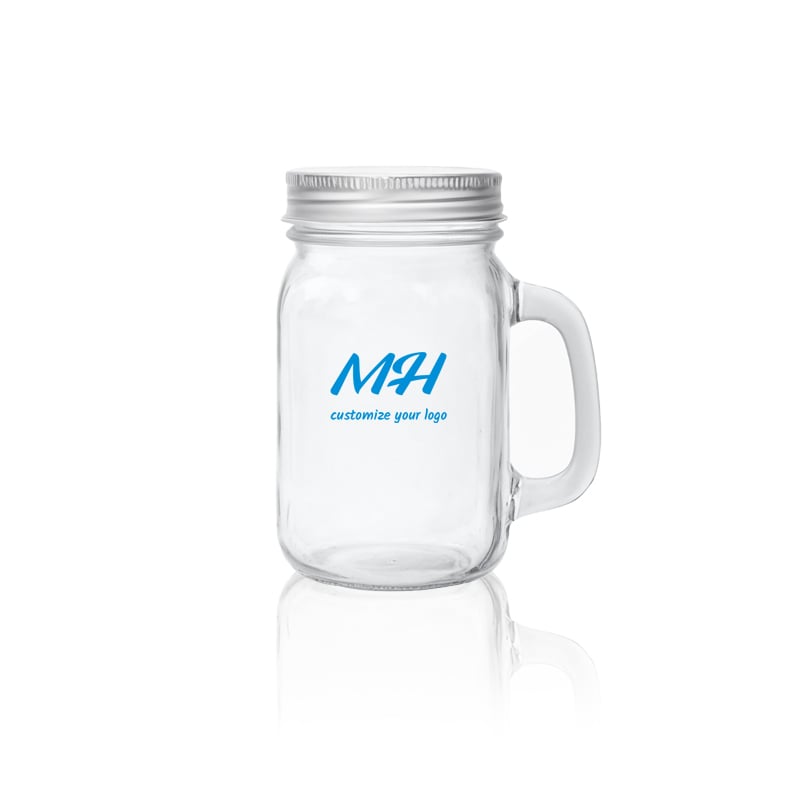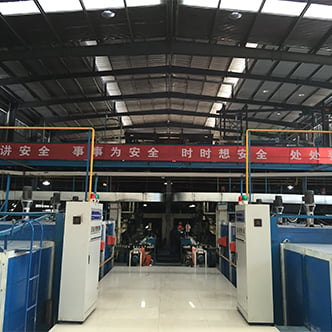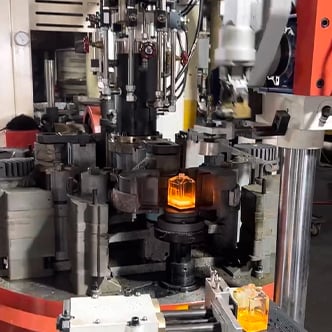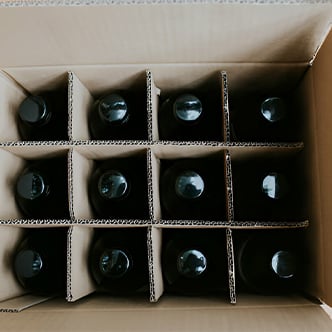
The success of any packaging collaboration depends heavily on how well the scope of the project and product specifications are articulated. This part describes the kinds of honey that need to be packaged, their individual features, and the expected yearly production volumes that are essential factors for the production, sourcing, and logistical departments.
Honey Types and Characteristics
We have various honey types that form part of our product portfolio, and these types possess different traits that affect the packaging. If your job is to handle a honey jar manufacturer, then choosing the right materials, designs, and closures becomes very essential in not only keeping the product fresh, extending its shelf life but also making it attractive to consumers.
- Acacia Honey: As a matter of fact, the best way to store acacia honey is in transparent glass jars due to the fact that it is a pale-colored, mildly-flavored, and slowly crystallizing honey. Accompanying this lower viscosity the great influence on the dispensing methods that should be utilized.
- Manuka Honey: On top of being dense, Manuka honey, which is loaded with antibacterial compounds, should only be kept in a hermetic, tamper-evident package that not only protects but also preserves the bioactive properties from UV rays. Yes, a professional honey jar manufacturer luxury glass jar can definitely add the beauty factor and make the product the one that shines out as a premium.
- Wildflower Honey: Wildflower honey is a product that features the flavor, color, and thickness entirely based on the flowers foraged. Consequently, its packaging needs to be able to handle different consistencies and at the same time reflect the brand's nature and artisanal image.
- Clover Honey: Clover honey being light-colored and mildly-flavored is a honey that crystallizes relatively quickly. Packaging for such products as microwaving to re-liquefy thus facilitating the hardening process, e.g., glass jars with microwave compatibility, is not only a user-friendly solution but also retains the brand's image.
- Buckwheat Honey: Again, buckwheat honey is a dark, strong, and mineral-rich honey, thus the lack of need for jars that are completely transparent. Despite that, it should be well protected from light and air if you want to keep its unique taste which is a consideration a reliable honey jar manufacturer will make when designing the right containers.
- Learning Insight: Buyers commonly associate the visual aspects of a product with its quality. This is the case with honey where they expect it to be visually clear and pure. For that reason, transparent glass honey jars are highly preferable in the case of light honeys such as Acacia and Clover. In the case of premium honeys like Manuka, the packaging has to be the one that both protects but also shows off its unique properties. The selection of a skilled honey jar manufacturer like Minghang thus becomes a very important part of the whole process ensuring not only the perfect jar shapes, neck finishes, and closure compatibility but also ease of filling, dispensing, and consumer satisfaction.
Honey Jar Manufacturers Project Annual Production
Being able to accurately forecast production volumes is a honey jar manufacturer’s roadmap to scaling up operations, inventory management, and pricing competitively. Our estimations take into account the present market demand, the expected growth, and the expansion plans for the market.
- Initial Phase (Year 1–2): The volume of honey jar requirements will be around 5 million units annually considering all honey types. We will thus need a manufacturer that has both an operational production line and the versatility to handle several SKUs simultaneously.
- Growth Phase (Year 3–5): It is projected that the yearly units will rise to 8–10 million. The partner should have the ability to extend productions further and have a resilient supply chain to meet the demands while maintaining the product quality.
- Long-Term Vision (Year 5+): New geographic markets and honey-based products diversification may even push the volume over 15 million units. It is essential to work with a manufacturer who can easily adjust his production line and has good sources of raw materials.
- Learning Insight: If volume requirements are underestimated, it will cause interruptions in the supply chain and missed market opportunities. On the other hand, overestimating volumes will result in excess inventory. Working with a competent glass honey jar manufacturer allows for smooth utilization of resources and flexibility to respond to market changes.
Strategic Partnership Objectives
We target beyond just the transactional supply of honey jars to develop a strategic partnership with a honey jar manufacturer whose values and objectives are in line with ours. The main goals revolve around cost optimization, brand differentiation, sustainability, and market expansion.
Cost Optimization and Value Engineering
It is one of the main goals, among others, to achieve cost savings without quality sacrifice throughout the whole packaging lifecycle. This, however, means the total cost of ownership (TCO) which includes manufacturing, logistics, waste reduction, and value engineering.
- Competitive Unit Pricing: The primary method of securing a good price is by means of economies of scale and quite an efficient manufacturing process.
- Reduced Logistics Costs: Shipping, warehousing, and distribution costs can be optimized, for instance, by the strategic location of honey jar manufacturers.
- Value Engineering Initiatives: Collaborating closely with your honey jar manufacturer to discover new designs or materials where the quality remains unchanged, but the costs are lowered.
- Waste Reduction: By minimizing the material waste consumed in manufacturing, one can contribute to the set sustainability goals.
- Learning Insight: The lowest unit price is far from always being the lowest TCO. Hence, value engineering through a proactive honey jar manufacturer is a long-term-cost-benefits approach. A glass honey jar manufacturer equipped with advanced technologies can manufacture lighter yet sturdier glass jars and, as a result, the shipping cost decreases while the product quality remains at a premium level.
Enhancing Brand Differentiation and Consumer Experience
Packaging is one of the major branding identity instruments. Partnering with a proficient honey jar manufacturer allows you to use state-of-the-art packaging design, unique finishing techniques, and aesthetic and functional closures to elevate your consumer loyalty and subsequently your brand equity.
Meeting Sustainability Targets
One of the main pillars for any company to consider is sustainability. A honey jar manufacturer who is focused on recycled content, recyclability, and lightweighting is catering both to the environment and to consumers who have initiated the trend of the green economy.
Expanding Market Reach
A trustworthy honey jar manufacturer is a vital factor for global growth through their capabilities for large-scale production, know-how in compliance, and logistical resources.
Packaging Design and Technical Requirements
Design Preferences: Standard vs. Custom
Our plan involves the use of both regular glass jars and specially designed glass honey jars.
Material Choices: Glass as the Primary Medium
Glass is the best option for being completely safe, attractive, and recyclable.
Closure Mechanisms
Firstly, security closures are very important for tamper indications but at the same time, they should be very easy for consumers to use.
Labeling Integration Requirements
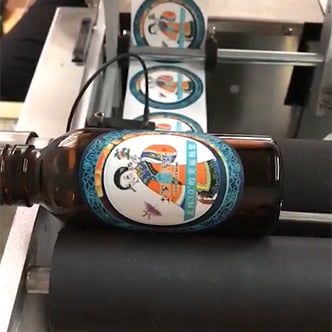
Labels have to be perfectly compatible with glass honey jars with regard to pressure-sensitive labels, shrink sleeves, or embossing.
Market, Geographic, and Regulatory Compliance
Target Consumer Base
Packaging should draw the attention of health-conscious consumers, the premium/gourmet markets, families, and environmentally conscious buyers.
Geographic Sourcing and Distribution Considerations
Being close to each other, sourcing of raw materials, distribution networks, and stock strategies are not only important for the effectiveness of the logistics but also for the logistcs' resilience.
Regulatory Certifications and Compliance Standards
The honey jar manufacturer must abide by food safety, environmental, labeling, and international regulations. It is preferable that he is certified, for instance by ISO 9001 and BRCGS Packaging Material.
Partnership Timeline and Implementation
Phase 1: Partner Selection and Due Diligence (Month 1–2)
Activities in this stage were the issuing of the RFP, the review of the proposals along with the visits of the places, the performance of the audits, and the checking of the references.
It is of the highest importance to verify the capabilities of production, sustainability, and flexibility.
Phase 2: Agreement Finalization and Design Prototyping (Month 3–4)
Contract negotiation, CAD/3D modeling, mold creation, physical prototype, and material sourcing verification.
Phase 3: Pre-Production and Pilot Run (Month 5–6)
Equipment, quality control planning, pilot run, first article inspection, and logistics finalization.
Phase 4: Full-Scale Production and Ongoing Partnership (Month 7 onwards)
Commercial launch, KPI monitoring, periodic business reviews, innovation, value engineering, and sustainability reporting.
Honey Jar Manufacturer as a Strategic Partner
The right honey jar manufacturer is the one who holds the key to business success. A quality honey jar manufacturer means not only quality glass honey jars but also guaranteed honey jars and durable bottles. Moreover, before a honey jar manufacturer can be taken as a partner, he should meet the conditions of production scalability, technical capability, regulatory compliance, and sustainability. By collaborating with a proficient honey jar manufacturer, companies are ensured the continuity of supply, can get technical advice, packaging possibilities, and value engineering opportunities. A reliable honey jar manufacturer is the one who takes care of the production of glass honey jars, guarantees the compatibility of closures, manages labeling integration, and coordinates logistics. If you choose a good honey jar manufacturer, you are not only providing the product with the safety it needs but also giving it a premium look and an enhanced consumer experience. Your honey jar manufacturer will be the one to help you realize cost optimization, market expansion, and brand differentiation strategies. The collaboration with a top honey jar manufacturer is a quality assurance to the glass honey jars that are going to meet the needs of both the commercial and the consumer. To sum up, the honey jar manufacturer is the one who, instrumental in production, branding, and market growth, indirectly, ensures overall success.
EN
AR
BG
HR
CS
DA
NL
FI
FR
DE
EL
HI
IT
JA
KO
NO
PL
PT
RO
RU
ES
SV
TL
IW
ID
LV
LT
SR
SK
SL
UK
VI
HU
TH
TR
FA
GA
LA
MI
MN