EN
EN AR
AR BG
BG HR
HR CS
CS DA
DA NL
NL FI
FI FR
FR DE
DE EL
EL HI
HI IT
IT JA
JA KO
KO NO
NO PL
PL PT
PT RO
RO RU
RU ES
ES SV
SV TL
TL IW
IW ID
ID LV
LV LT
LT SR
SR SK
SK SL
SL UK
UK VI
VI HU
HU TH
TH TR
TR FA
FA GA
GA LA
LA MI
MI MN
MN

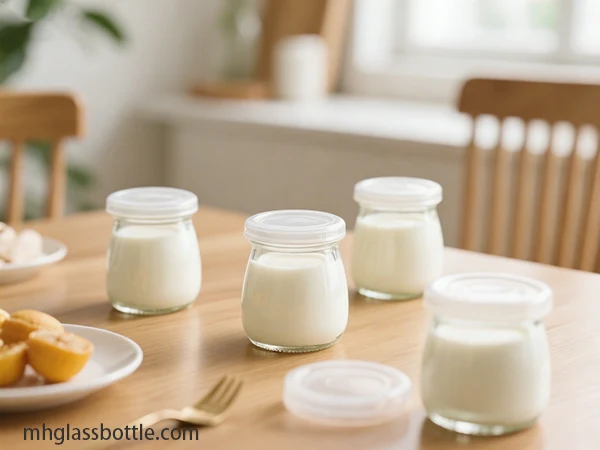
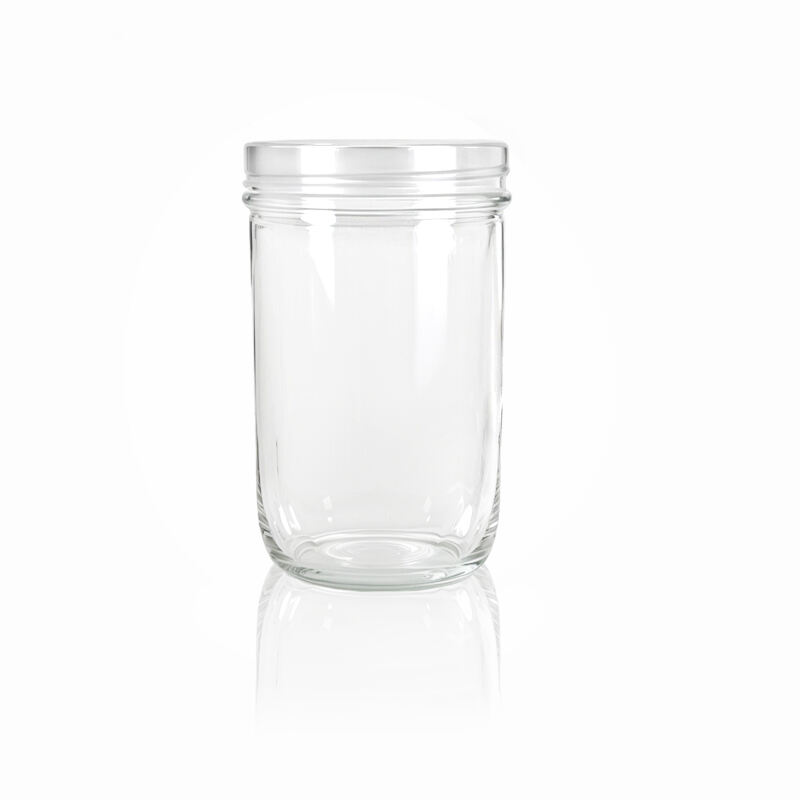
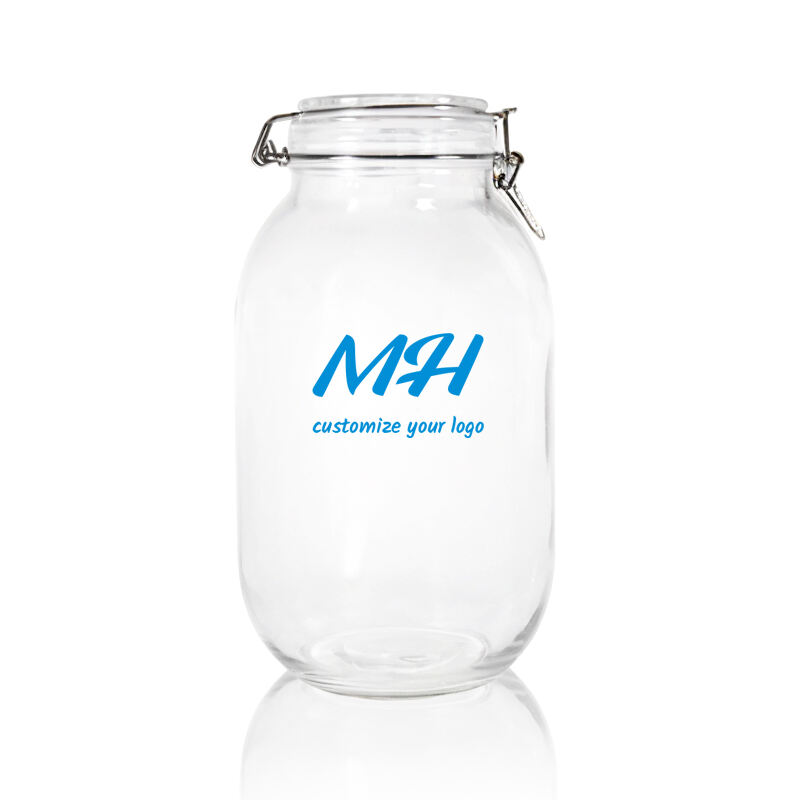
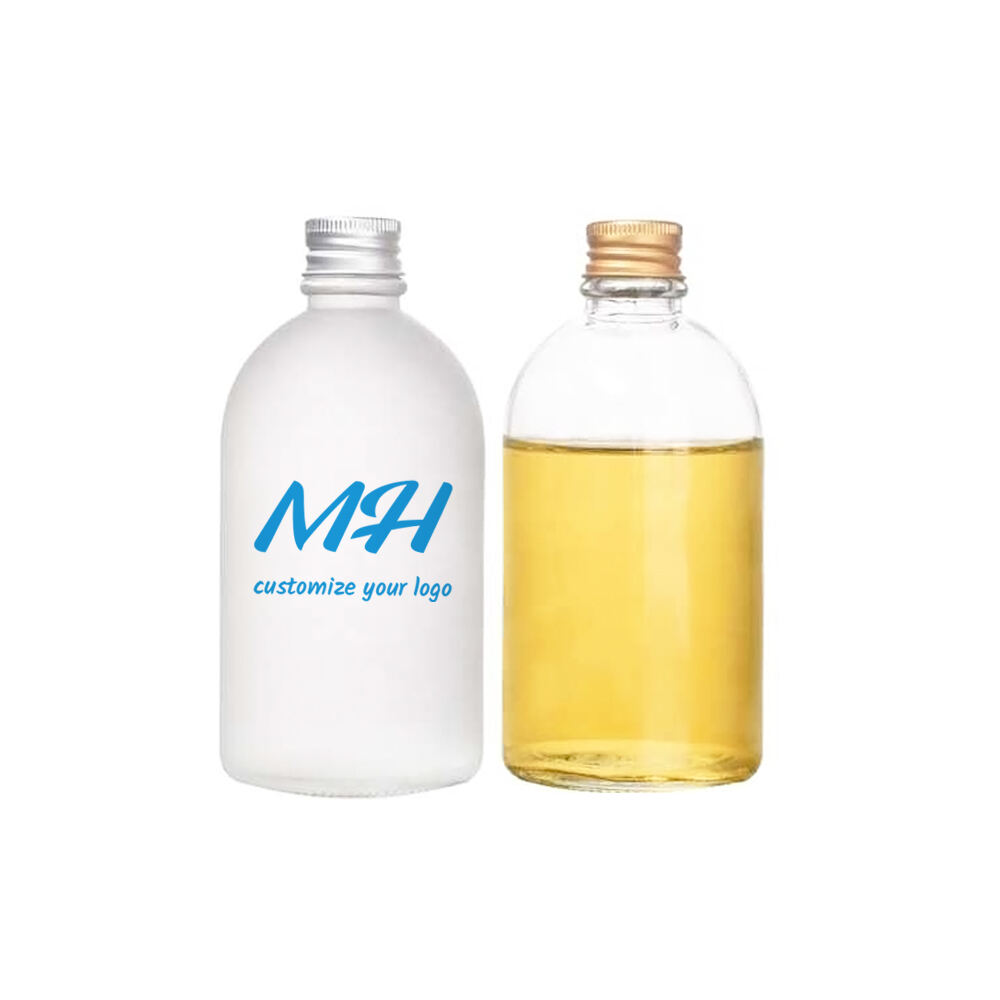
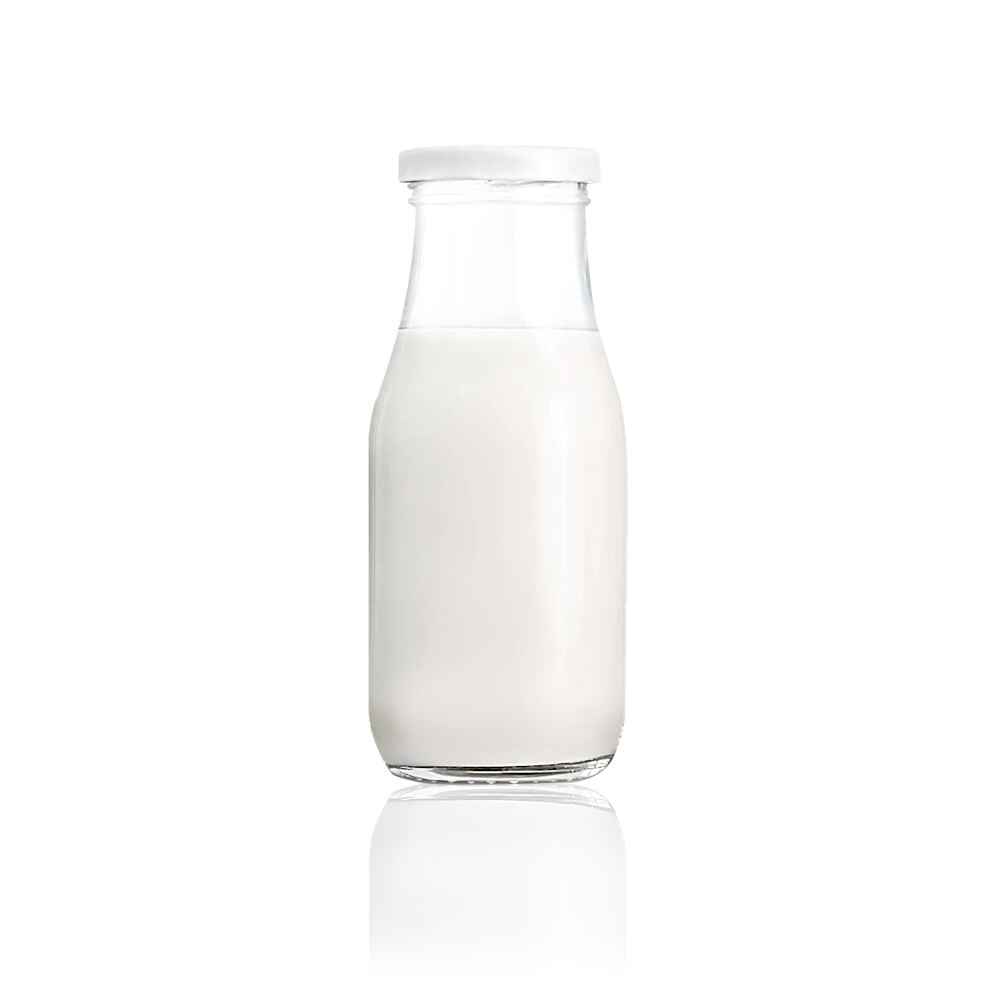
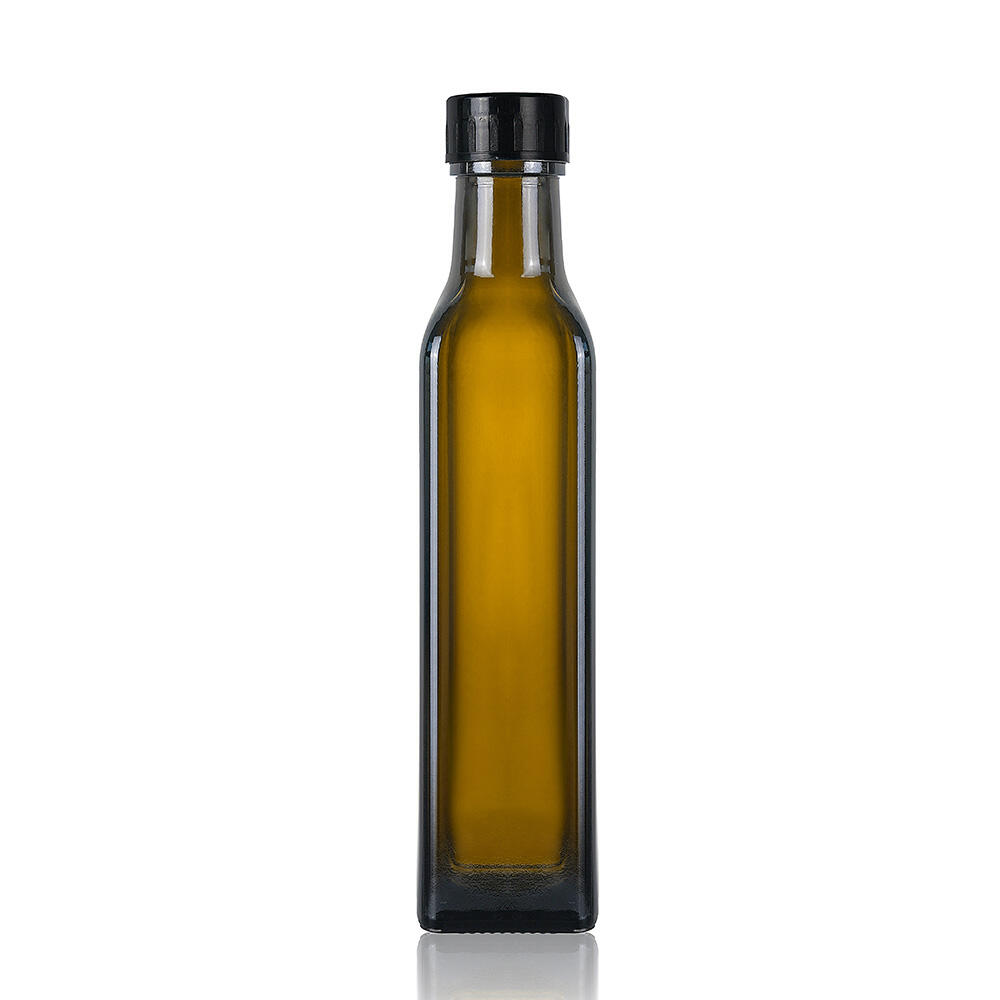
An advanced glass yogurt jar factory is where there is high automation, food safety, and the international demand of packaging. With the current customer preference moving to sustainable and premium packaging, glass jars of yogurt, and high-clarity glass jars have been seen as strategic resources of dairy brands. When compared to plastic packaging, glass is a chemically stable material that can be recycled indefinitely, and has a high level of compatibility with fermented dairy products. The most modern glass yogurt jar factory combines furnace technology, automated forming belts, automated inspection software using artificial intelligence, and traceability programs that help to maintain a unified production and compliance with regulations. In the initial phase of supplier selection, the buyers usually do the comparison of the capability in various categories of glass yogurt jars, specialty glass jars and even high volume package such as glass water bottle bulk. The demands in terms of consistency, dimensional accuracy, and scalable production are consistent even though the applications of a product vary. Minghang acid-resistant yogurt containers are one of the high-performance product lines. The Minghang glass yogurt jars are produced with uniformity of the wall thickness, high quality of clarity, sturdier jar bases and also accurate neck finishing to airtight sealing. Their annealing response is optimized which enhances thermal shock damage, less breakage during filling and cold-chain transportation. The benefits allow Minghang jars to be very applicable to high-end dairy products that need stability, beauty and the ability to guarantee food safety.
Technologies Used in Core Production in A Glass Yogurt Jar Factory
Raw Material Handling and Furnace Engineering
A professional factory of glass yogurt jar starts with strict preparation of raw materials. The cullet is recycled and soda ash, limestone, and silica sand are measured and mixed with precision. High quality cullet considerably reduces the energy use and the temperature of melting. The furnace is run at a temperature of about 1500 o C, in which the batch is melted into molten glass. State of the art insulation systems will minimize thermal loss by 30 percent, which will promote the energy objectives. Digital temperature control systems used in large facilities provide homogeneous melting without the development of inclusions and bubbles during the melting process of glass yogurt jars.
Glass Yogurt Jar Factory Process and Automation Forming
Molten glass is sliced into small gobs and moved into forming machines by either blow-and-blow or press-and-blow processes. Forming under servo control provides a constant geometry of the jar. The glass yogurt jar factory of today has incorporated robotic swabbing of molds, automatic distribution of gob, and Ethernet-based monitoring systems. Automation is fast and accurate and minimizes human error. The dimensional accuracy of glass jars, which is necessary in achieving the compatibility of the filling line, is determined by the forming stage.
Annealing and Surface Treatment
Jars are annealed in a lehr after forming. It removes internal stress and enhances structural integrity. Hot-end and cold-end finishes are used to increase scratch resistance and mechanical strength. In the case of yogurt packaging, it is important that they are durable through the process of transportation and refrigeration. Thus the annealing in a professional glass yogurt jar factory has a direct influence on the reliability of the product and its lifecycle performance.
Quality Assurance and Control Frameworks
Visual Inspection Systems Using AI
One of the modern glass yogurt jar-producing plants uses AI-based inspection systems that are capable of identifying cracks, inclusions, and dimensional variations as well as rim defects with a success rate of more than 95 percent. Machine vision cameras will scan every unit in high speed, which minimizes false positives and maximizes on yield. The cross-industry quality benchmarks are also reflected in similar inspection technologies that are common in the glass water bottle bulk production lines.
Strength and Thermal Shock Test
Every poly of glass yogurt jars is subjected to compression test, impact test, and thermal shock test. This makes jars resistant to filling, sealing, refrigeration and transportation. Relative to other glass jars, yogurt containers need to be able to withstand changes in temperature in response to pasteurization and cold storage. A company that produces professional glasses yogurt jars uses the standardized procedures of burst resistance tests prior to shipping.
Documentation of Traceability and Compliance
Traceability systems are used to give pallets and cartons production codes. This type of systems contain batch data, raw materials, furnace parameters and inspection results. Food packaging is required to have such traceability and is global. Regardless of whether the resource is glass jars of yogurt or bulk of glass water in large quantities, both documentation and recall preparedness are essential compliance areas.
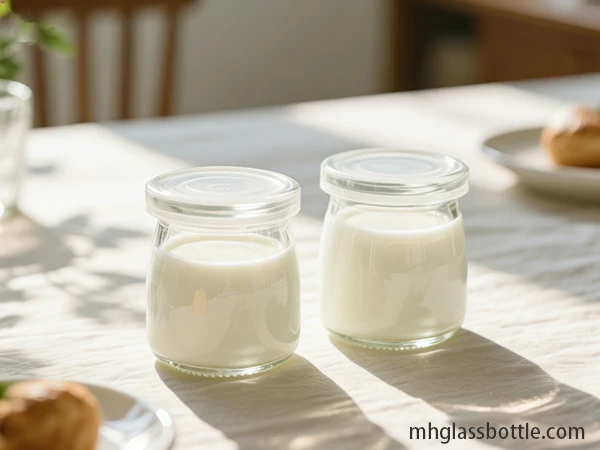
Professional Glass Yogurt Jar factory Sustainability
Strategy of A Professional Glass Yogurt Jar Factory
Energy optimization and furnace innovation shall be accomplished using the following approaches:
- The cost of energy is 2030 percent of the overall production cost at a glass yogurt jar plant. High insulation, oxy-fuel combustion, and hybrid-electric furnaces are remarkable in curbing emission.
- Recycling of exhaust energy is achieved through waste heat recovery systems, which increases the total efficiency. Directly, sustainable furnace design will reduce carbon footprint of glass yogurt jars.
Cullet Usage and Circular Economy
The rates of cullet usage are usually between 30-60 percent. With each 10 percent variant of cullet, the melting energy is then cut by about 23 percent. A sustainable glass yogurt jar factory makes an investment in technologies of sorting the cullet to keep it pure. Recycled material of high quality does not affect the clarity and the strength of the final glass jars.
Lightweighting Strength without Compromise
Right-weighting decreases the thickness of glass without causing a decrease in mechanical performance. Material reduction of up to 30 can be achieved through optimized design of the mold and narrow-neck press-and-blow. Glass cocoon yogurts with a low weight reduce transportation emissions and enhance pallet capacity, which promotes environmental and economic advantages at the same time.
Expanded Supply Chain and Cost Structure Analysis
Raw Materials, Production Cost Drivers, Energy
The price system in an established factory of glass yogurt jars is very sensitive to the energy and raw material costs. The significant cost elements are: silica sand, soda ash, limestone, recycled glass (cullet), energy consumption, and labor and equipment depreciation. The raw material expenses normally take 25-35 percent of the total costs of production. The purity of silica sand is one of them, which dictates the transparency and stability of glass yogurt jars; the other one is soda ash and limestone, which define the chemical stability and corrosion resistance of the glass. Raw materials of high quality will reduce the bubble and inclusion rate of defect considerably hence lowering the scrap rate. Energy expenses are usually 20 -30%. The furnace must be kept running at high temperatures of about 1500C, so energy efficiency is one of the variables that would influence profitability. The sophisticated glass yogurt jar factories use hybrid electric furnace, waste heat recovery systems (WHRS), as well as oxy-fuel combustion technology to lower unit energy consumption. Of special concern is the percentage of recycled glass (cullet) that responds to the raw material mix. A 10 percent increment in the usage of cullet can save 2-3 percent of the energy used in melting and at the same time decreases carbon emission. This reduces expenses as well as increases the sustainability of glass jars, which improves the environmental competitiveness of a brand.
Capitals Investment, Mold Economics and Economies of Scale
The initial capital investment in order to establish a modern glass yogurt jar factory is very high. Constructions of furnaces, automated molding machines, AI vision inspection systems, annealing furnaces, as well as automated packaging lines are all costly capital expenditures (CapEx). B2B clients are mainly concerned with cost in custom mold development. Creating a brand of custom glass yogurt jars molds is usually a one-time cost, although the higher the production volume, the lower the unit costs are due to the ability to distribute the cost of the mould with the higher volume of output.
The economy of scale is most noticeable in the manufacturing of glasses sector:
- Mass production cuts the start-up and shutdown frequency of furnace.
- Lowers unit energy consumption.
- Streamlines the allocation of manpower.
- Improves the rate of using automated equipment.
The total cost per glass jar is reduced drastically with increase in the order volume. Thus, big dairy firms usually enter into long-term supply contracts with specialized glass yogurt jars plants to fix the prices and production capacity.
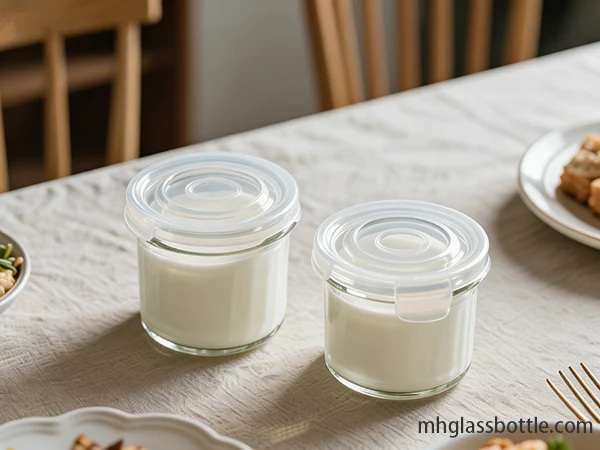
Global Cost Variables, Logistics, and Risk Management
Glass refrigeration is a bulky and heavy product and logistic cost is a large percentage in the price structure. The following factors influence the transportation costs:
- Bottle weight
- Pallet loading density
- International freight fluctuations.
- Fuel prices
- Tariff policies
In order to achieve maximum transportation efficiency, glass yogurt jar factories are designed with light weight to be loaded with a pallet that is optimally designed. Light weight glass yogurt jars only help in saving transportation costs, but also carbon emission. Moreover, costs are also affected by instability in the global supply chain (e.g. fluctuation of energy prices and geopolitical risks). These risks are normally addressed by mature glass yogurt jar factories by:
- Sourcing of raw materials in different regions.
- Establishing safety stocks
- Entering into long-term energy agreements.
- Adopting electronic supply chain management systems.
The businesses having wholesome supply chain management strategies can balance cost and delivery consistency compared to the ordinary glass jar manufacturers.
Comparative Cost Table
| Cost Component | Impact on Production | Optimization Strategy |
| Raw Materials | 25–35% of total cost | Increase cullet ratio |
| Energy | 20–30% | Hybrid furnaces, WHRS |
| Labor | Region dependent | Automation systems |
| CapEx | High upfront | Long-term volume contracts |
| Logistics | Freight-sensitive | Pallet optimization |
A strategic partnership with a reliable glass yogurt jar factory ensures cost predictability and supply stability.
Positioning and Outlook of A Glass Yogurt Jar Factory in The Market
Brand Differentiation Premium Packaging
Glass packaging improves the product perception. Yogurt that comes in premium glass yogurt evokes the sense of purity and sustainability. Brand identity is reinforced with embossing, tinting colors and shaped to be customized. A glass yogurt jar factory is technologically advanced to offer prototyping services to facilitate creative packaging ideas.
Regulatory Compliance and Food Safety
FDA and EU food-contact regulations are obligatory. Glass jars contain soda-lime glass that is chemical stable and non-reactive. A specialized factory of glass yogurt jars combines ISO 9001 and ISO 22000 systems to ensure the integrity of the food safety standards during the entire process, including raw materials intake and ending with final shipment.
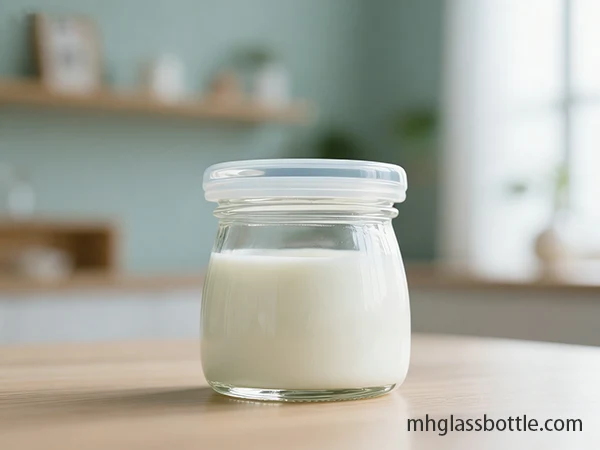
Future Trend and Innovation
The glass yogurt jar factory business encompasses the predictive maintenance by AI, intelligent coating, and hydrogen as low-carbon fuels in future. With sustainability being the new brand strategy, glass yogurt jars will keep gaining market share with comparison to plastic ones. The long-term competitiveness will be characterized by the investment in digitalization, decarbonization, and circular economy principles.
Conclusion
A contemporary glass yogurt jar plant is an embodiment of precision in engineering, environmental conservation, and regulation of food safety. Since the choice of the raw material to use is the first step in the process, to AI inspection to the supply chain integration, each phase defines the performance and reliability of the glass yogurt jars and other high-grade glass jars. In the case of dairy brands that require the use of high-end packaging, through partnering with a skilled glass yogurt jar manufacturer, the business would have access to scalable production, flexibility of customization, adherence to regulatory standards, and the benefits of sustainable development in the long term.