EN
EN AR
AR BG
BG HR
HR CS
CS DA
DA NL
NL FI
FI FR
FR DE
DE EL
EL HI
HI IT
IT JA
JA KO
KO NO
NO PL
PL PT
PT RO
RO RU
RU ES
ES SV
SV TL
TL IW
IW ID
ID LV
LV LT
LT SR
SR SK
SK SL
SL UK
UK VI
VI HU
HU TH
TH TR
TR FA
FA GA
GA LA
LA MI
MI MN
MN

Excerpt: Finding the right glass storage jar factory is not simply a matter of comparing unit prices. This global sourcing guide explains how to distinguish true manufacturers from traders, evaluate production capabilities, and select a factory for wholesale or custom orders.
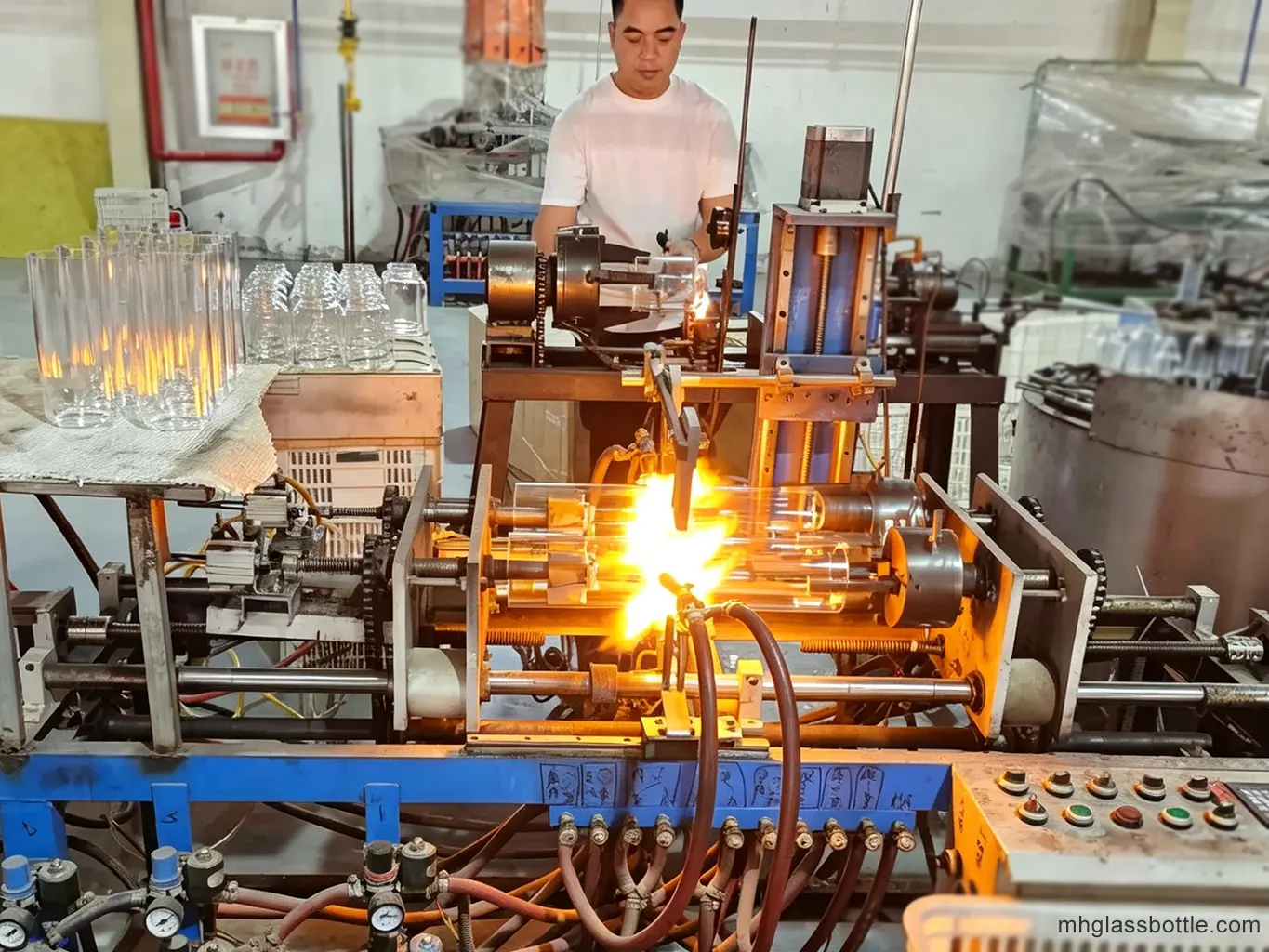
Table of Contents
- What Type of Factories Produce Glass Storage Jars?
- How Do We Identify a Real Glass Storage Jar Factory?
- Global Glass Storage Jar Manufacturing Is More Fragmented Than Buyers Expect
- What Separates a Factory From a Trading Company?
- What Do Glass Storage Jar Factories Actually Produce?
- Why Factory Scale Matters More Than a Large Product Catalog
- Real Factory Investment Shows Where the Industry Is Going
- What Should Buyers Compare Before Choosing a Factory?
- What About Custom Glass Storage Jars?
- Is Glass Still a Practical Material for Storage Jars?
- Where Should You Source Glass Storage Jars?
- Frequently Asked Questions
- Source Glass Storage Jars Directly From a Manufacturer
When we evaluate a glass storage jar factory, we look beyond the catalog. But, if we're assessing a glass storage jar company, we see beyond the catalog. There can be hundreds of great jars to look at on a factory's website but the glass formation or decoration, as well as lids and even final packing, may be outsourced by the factory itself. That difference can mean the difference between a few hundred dollars and a few thousands or tens of thousands of dollars for a container buyer, a different lead time, consistency of quality orders, customization possibilities, and accountability.
So, who indeed manufactures the glass storage jars?
The simple answer is that container glass manufacturers, specialty food-packaging factories and custom glass packaging manufacturers create glass storage jars. There are factories that deal with the complete melting and forming lines, others are engaged in secondary processing, decoration, lid making or customized packaging.
This disparity is where sourcing becomes interesting.
What Type of Factories Produce Glass Storage Jars?
Not every glass company is a glass storage jar manufacturer.
The term glass factory covers several very different production models. A manufacturer producing architectural glass, laboratory glassware, drinking glasses, and food-storage jars may have completely different equipment and quality-control procedures.
For storage jars, the relevant production category is primarily container glass manufacturing.
Glass containers, including bottles, jars, and packs, are a major glass-manufacturing sector according to the U.S. Department of Energy. It also reports that glass is one of the most energy-intensive components of the glass industry, historically, since a lot of heat has to be put into the glass to be melted. (The Department of Energy's Energy.gov)
That matters to buyers.
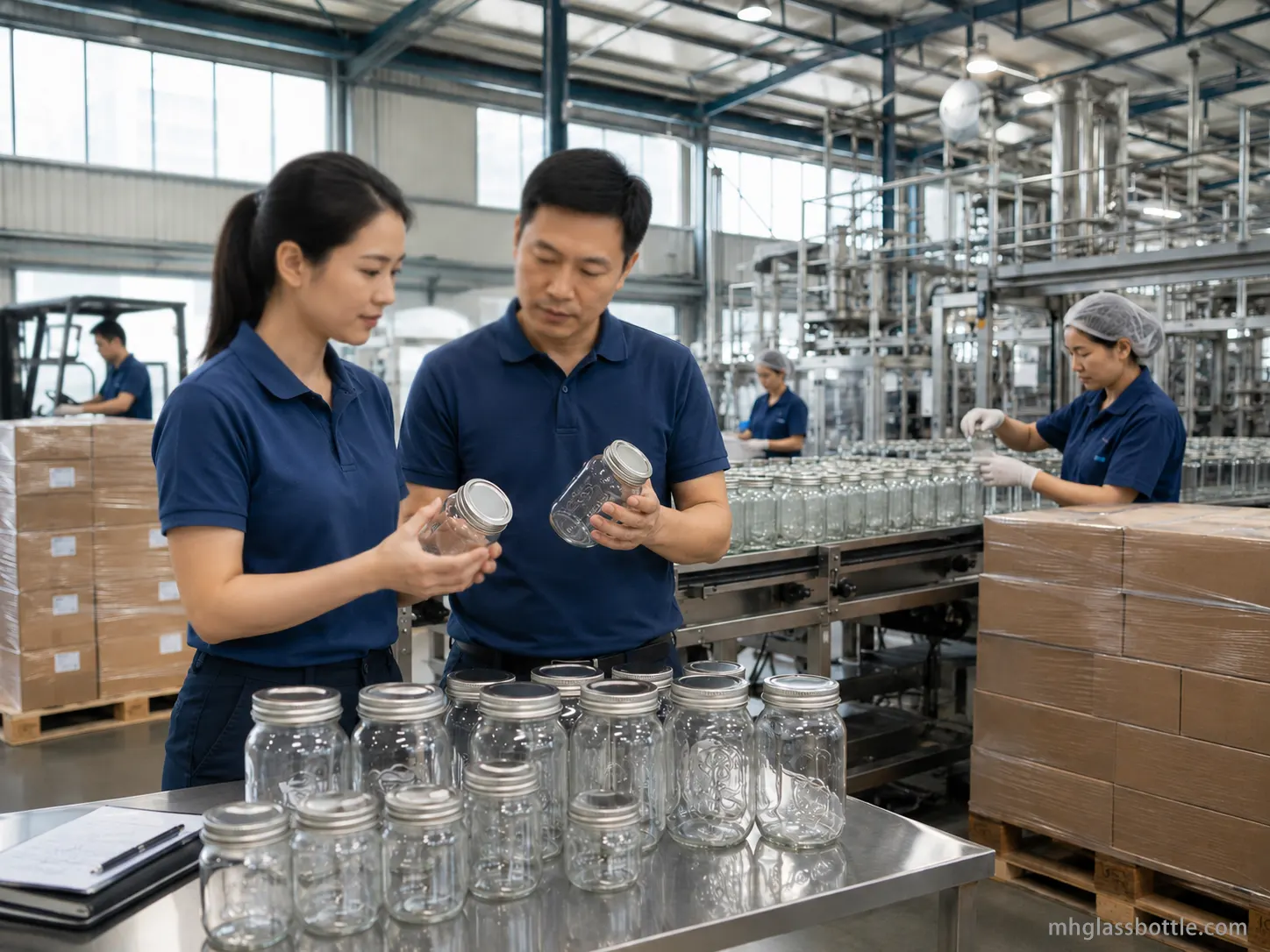
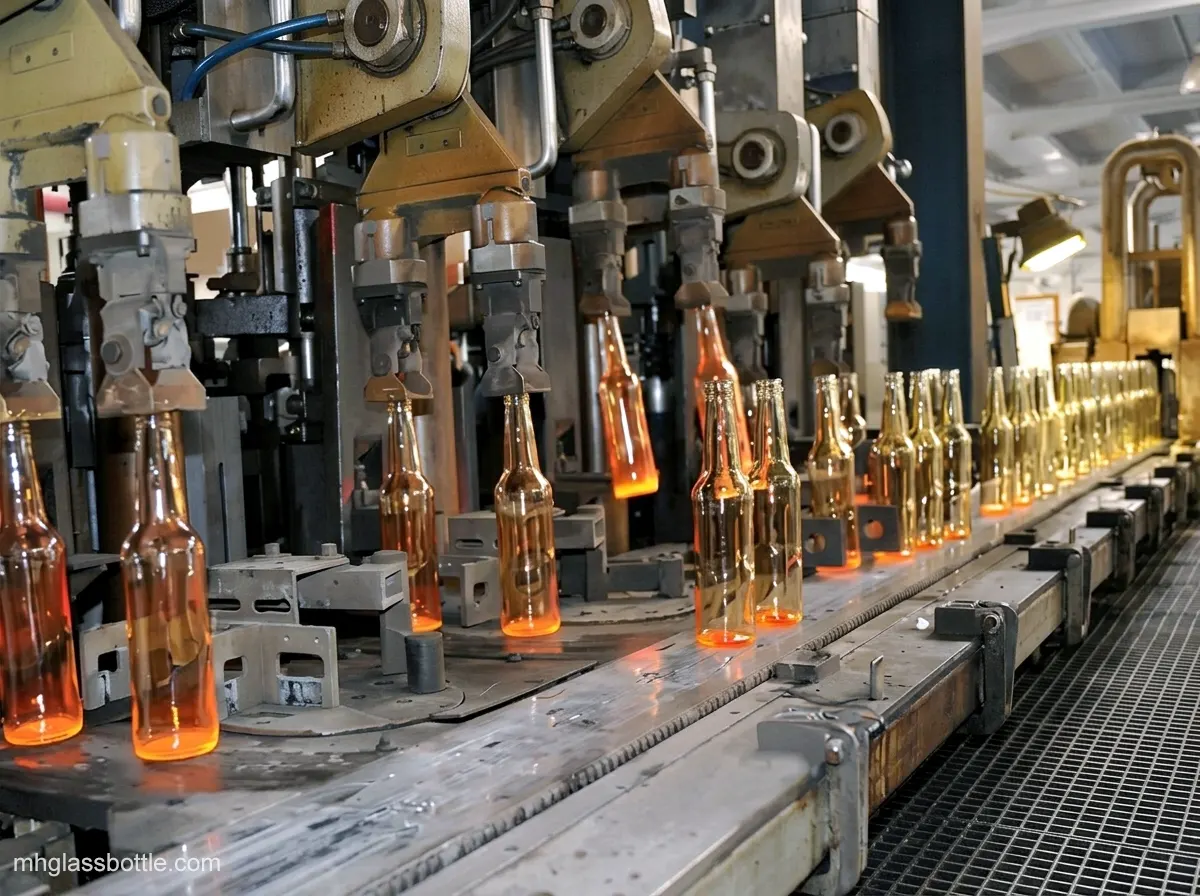
A genuine glass storage jar factory normally has some combination of:
- Glass melting furnace
- Gob-forming system
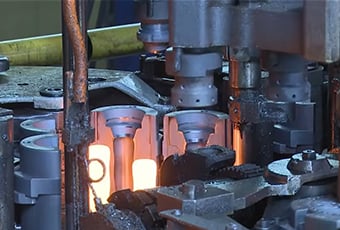
- IS or similar automatic forming machines
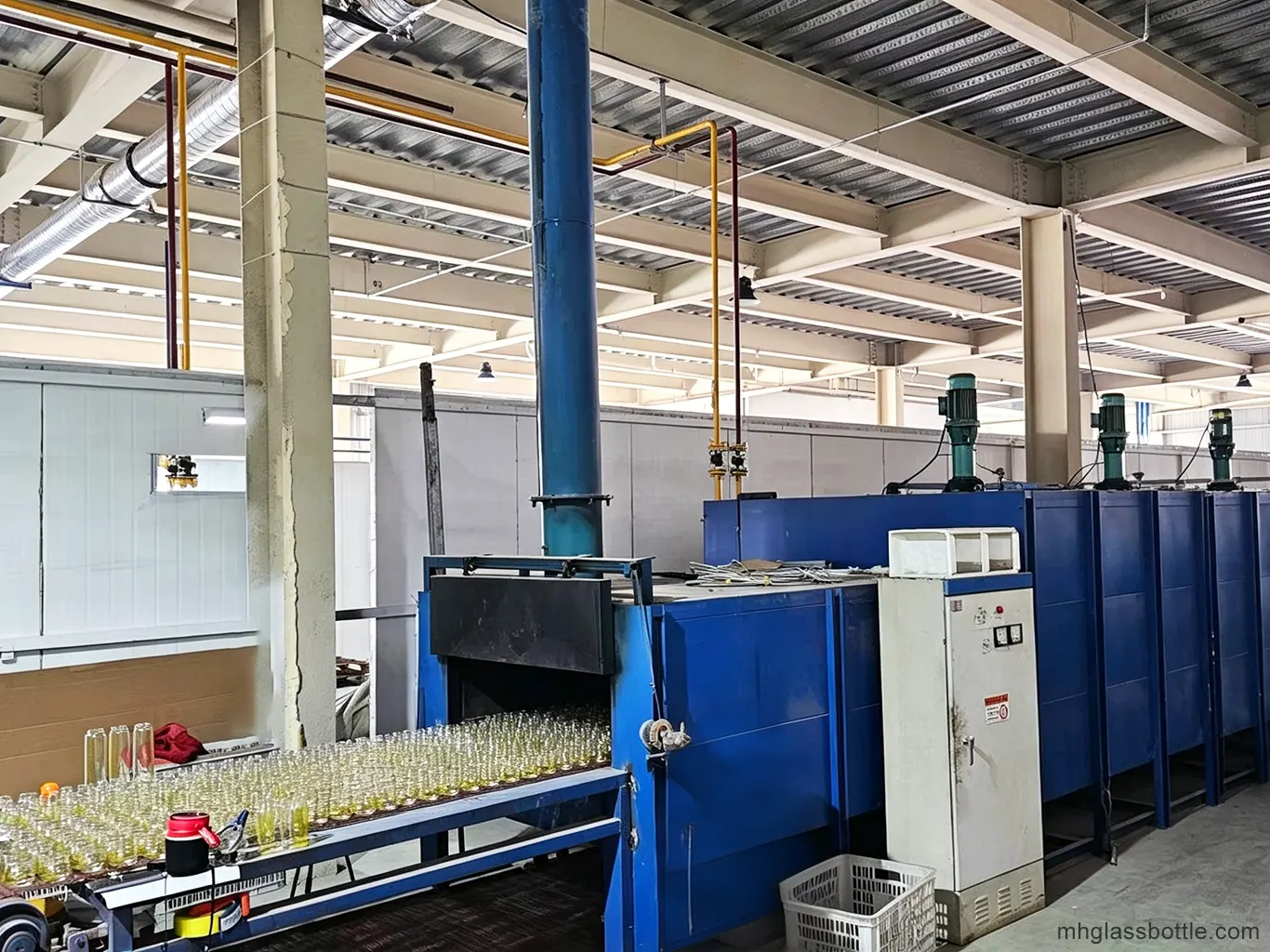
- Annealing lehr
- Automated inspection equipment
- Surface treatment or polishing equipment
- Printing or decoration capabilities
- Packaging and palletizing equipment
- Laboratory and quality-control facilities
But smaller factories can operate differently. Some specialize in custom glass storage jars and purchase glass blanks or semi-finished products from larger manufacturers before completing additional processing themselves.
There is nothing inherently wrong with this model. The problem begins when a supplier presents itself as the factory responsible for every manufacturing stage when it is actually a trading company.
How Do We Identify a Real Glass Storage Jar Factory?
Look at the production chain.
We would start with five questions.
Where is the glass melted?
If the supplier states that he or she makes the jars, but didn't mention where the glass is formed, dig deeper.
What forming equipment is used?
For high-volume jars, automated forming machinery is generally required. Ask for the machine type, number of production lines, typical daily output, and jar-size range.
Who owns the molds?
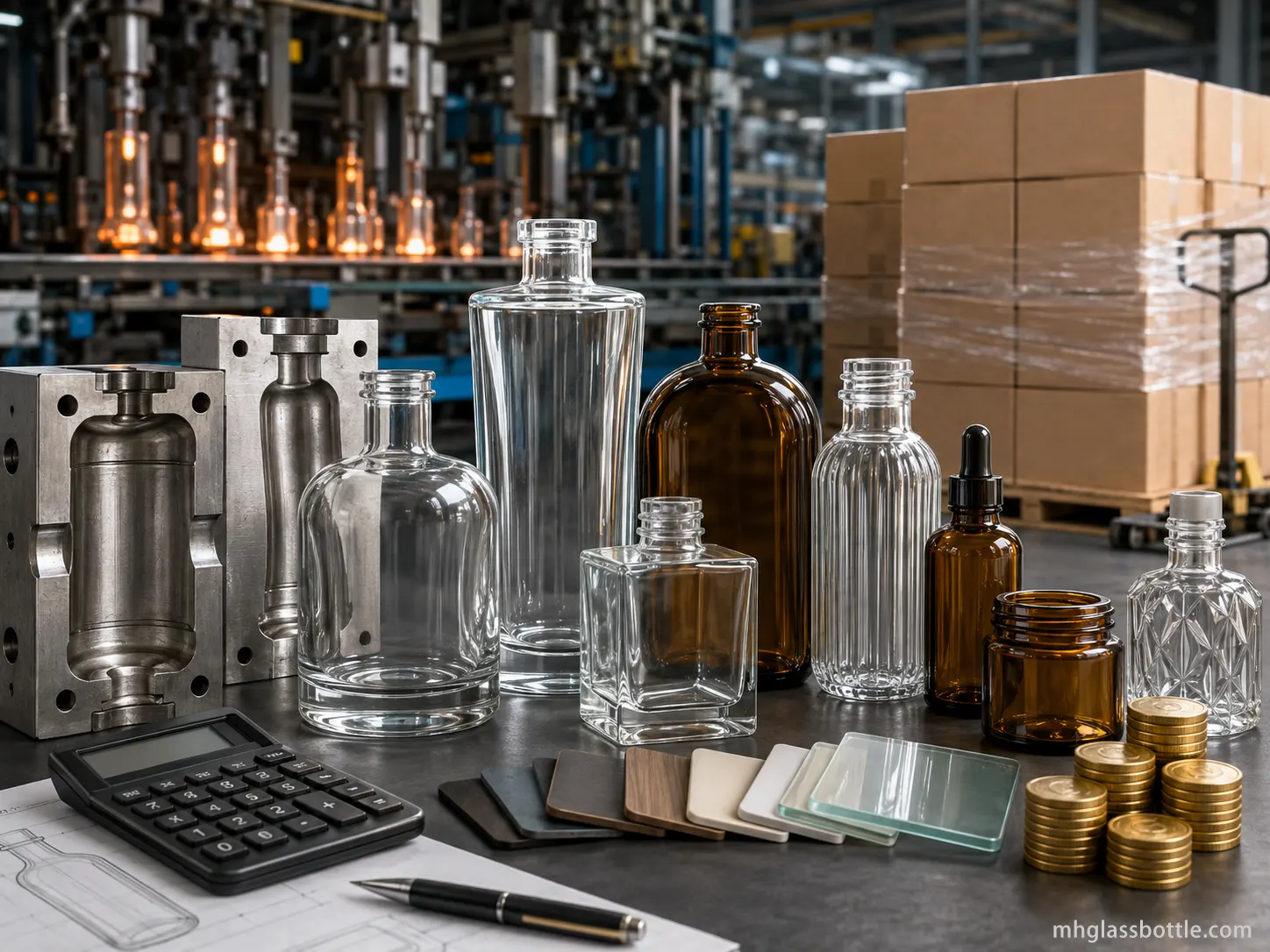
This becomes particularly important for custom glass storage jars. A serious factory should be able to explain mold development, mold ownership, modification costs, and replacement procedures.
Where does quality inspection happen?
A factory should be able to explain how it checks dimensions, weight, glass defects, sealing surfaces, thermal performance where relevant, and packaging integrity.
Who handles the final packing?
This sounds minor. It isn't.
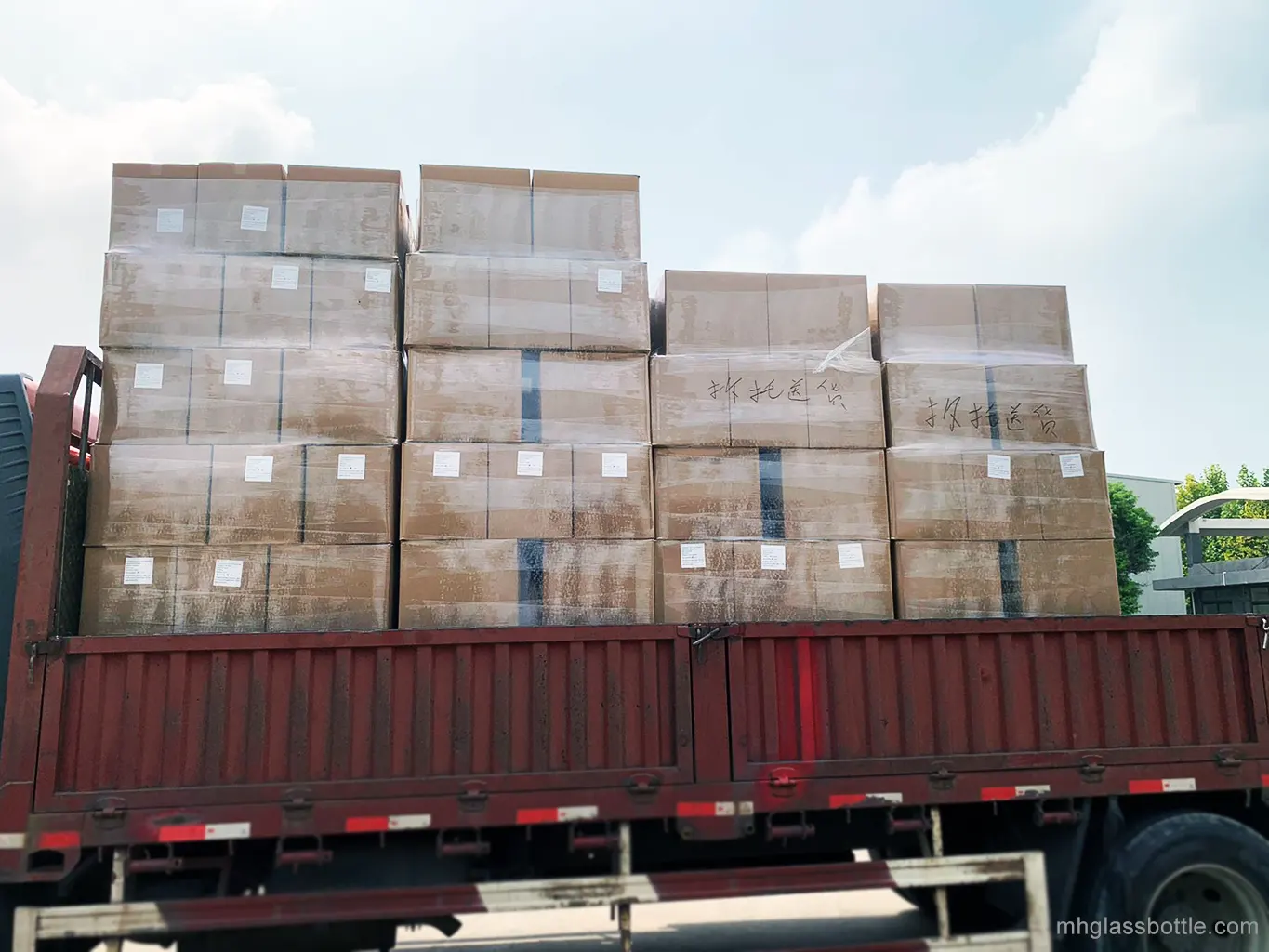
Storage jars are heavy and fragile. A good product can still become a commercial disaster if the factory uses inadequate cartons, dividers, pallets, or export packaging.
Global Glass Storage Jar Manufacturing Is More Fragmented Than Buyers Expect
No single country dominates each segment of glass storage vessels.
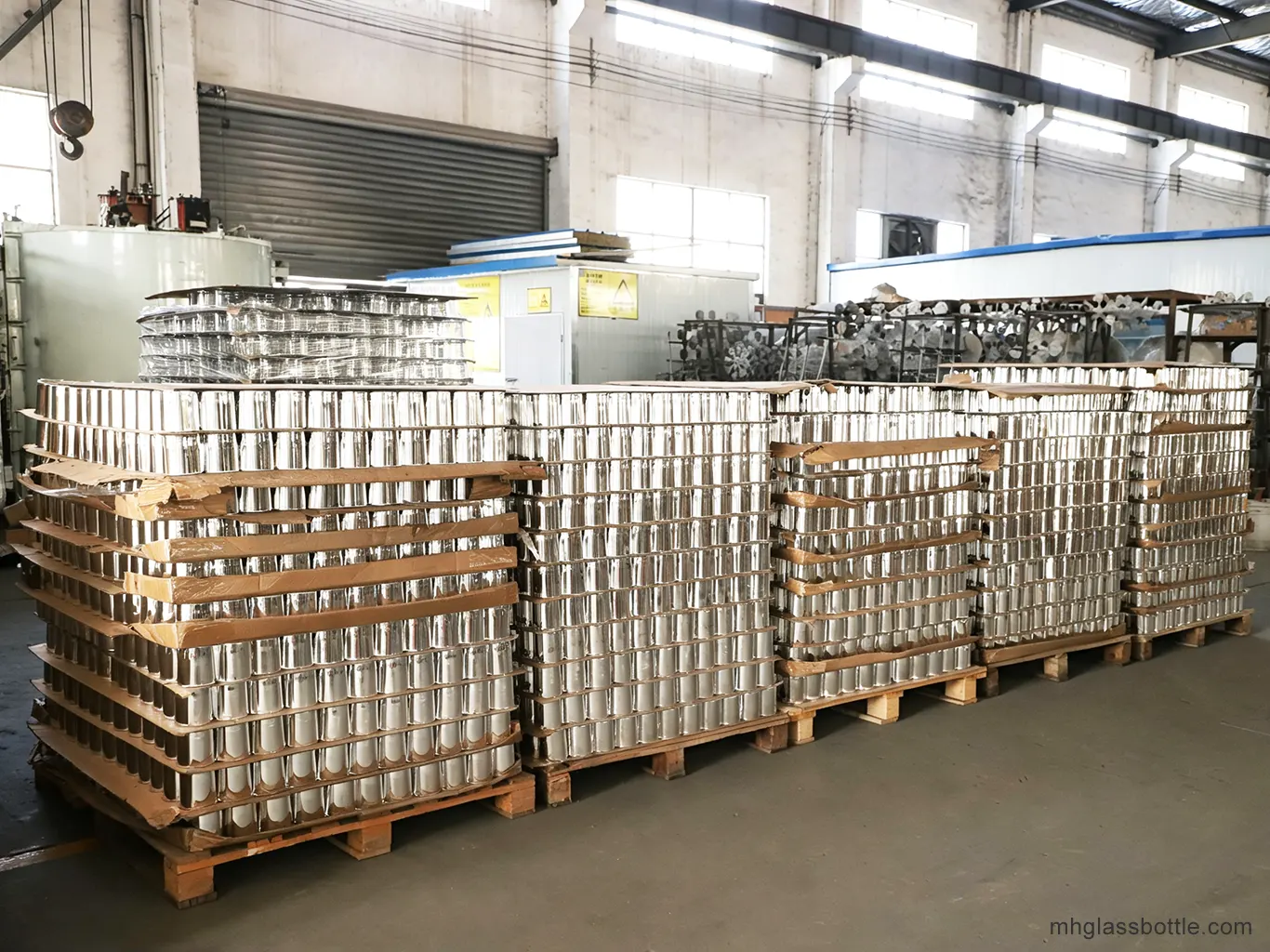
Glass jars wholesale manufacturers have a wide range of products in China, such as food storage jars, Mason jars, spice jars, honey jars, candle jars, cosmetic jars, customized packages, etc.
It is common to find that European manufacturers are able to penetrate well into premium packaging, specialty glass, sustainability and have established supply chains available in the region.
The United States has major container-glass producers, but domestic manufacturing is generally more concentrated among large industrial producers rather than thousands of small custom-jar factories.
The U.S. Department of Energy currently estimates the broader U.S. glass manufacturing industry at approximately $31 billion, supporting more than 89,000 jobs. (The Department of Energy's Energy.gov)
The important point is this: glass storage jar sourcing is not simply a country-selection exercise.
The right factory depends on volume, customization, target market, certification requirements, packaging requirements, and landed cost.
What Separates a Factory From a Trading Company?
This is where buyers often lose time.
A trading company can sometimes provide a perfectly good product. It may even have better communication and sourcing capabilities than a small factory. But its pricing structure and control over production are different.
We would compare suppliers using the following framework:
| Factor | Direct Manufacturer | Trading Company |
|---|---|---|
| Control over production | High | Usually indirect |
| Custom mold development | Usually available | Depends on factory partner |
| Factory-level pricing | More transparent | Includes trading margin |
| Production scheduling | Direct | Through supplier |
| Quality accountability | Factory-controlled | Depends on contract |
| Product customization | Usually stronger | Varies |
| Multi-factory sourcing | Limited | Often stronger |
| Best suited for | Long-term/high-volume sourcing | Mixed or smaller sourcing projects |
There is a catch.
A direct factory is not automatically the better supplier. A poorly managed factory can produce more problems than an experienced trading company with strong factory relationships.
That is why we would verify manufacturing capability, rather than simply trusting the word “manufacturer.”
What Do Glass Storage Jar Factories Actually Produce?
The phrase “glass storage jar” covers a surprisingly wide range of products.
Common factory categories include:
- Food storage jars
- Mason-style jars
- Spice jars
- Honey jars
- Jam jars
- Pickle jars
- Canning jars
- Glass pantry containers
- Glass jars with bamboo lids
- Glass jars with wooden lids
- Glass jars with plastic lids
- Glass jars with metal screw lids
- Airtight glass storage containers
- Custom glass food containers
The same factory may not be equally strong in all categories.
A manufacturer whose strengths lie in high-volume food jars, for instance, might be a good fit for standard cylindrical containers but not the same one if the container is unusually shaped and has a premium price tag, and requires intricate tooling.
On the other hand, a smaller custom glass packaging provider will tend to be more flexible, but not do very large production runs.
Volume changes everything.
Why Factory Scale Matters More Than a Large Product Catalog
A catalog is not production capacity.
We have seen suppliers display hundreds of SKUs while having limited actual manufacturing infrastructure. A buyer should therefore distinguish between product variety and manufacturing capability.
A serious sourcing assessment should ask for:
Number of production lines
- Furnace capacity
- Forming-machine capacity
- Annual production volume
- Typical MOQ
- Mold-development capability
- Decoration capability
- Inspection procedures
- Export packaging standards
- Current production lead time
The U.S. Department of Energy proclaimed Gallo Glass's Modesto facility to be the largest glass plant in the U.S. in 2024, producing up to 3 million glass bottles a day. It was suggested to make its hybrid furnace run between 80% and 100% electric, and the plan aimed to significantly cut down on greenhouse-gas emissions. (The Department of Energy's Energy.gov)
That tells us something useful about the industry.
A modern glass factory is not simply a building containing forming machines. Energy consumption, furnace technology, recycled glass content, emissions, and process efficiency increasingly influence manufacturing economics.
Real Factory Investment Shows Where the Industry Is Going
Look at Gallo Glass.
The U.S. Department of Energy identified Gallo Glass's Modesto plant as the biggest glass plant in the U.S. in 2024, with the capacity to manufacture up to 3 million glass bottles daily. The project aimed for significant reductions in greenhouse-gas emissions and the proposed hybrid furnace was supposed to run on up to 80% electricity. (The Department of Energy's Energy.gov)
Another example is Owens-Brockway Glass Container, where the DOE identified a proposed furnace-rebuild project in Zanesville, Ohio. The project targeted a 20–40% reduction in carbon intensity compared with a baseline furnace and combined several technologies, including heat recovery, fuel-system improvements, material preheating, and electric conversion. (The Department of Energy's Energy.gov)
These are large industrial projects, not ordinary storage-jar orders.
But they demonstrate an important point: the economics of glass manufacturing start with the furnace. Energy efficiency, furnace utilization, cullet content, production scale, and process stability eventually influence the price a buyer sees.
What Should Buyers Compare Before Choosing a Factory?
Price comes later.
First, determine whether the factory can consistently produce the product you actually need.
| Evaluation Area | What Buyers Should Check |
|---|---|
| Product | Shape, capacity, weight, neck finish |
| Glass | Soda-lime or other specified composition |
| Production | Furnace and forming-machine capability |
| Quality | Dimensional and visual inspection |
| Customization | Mold, color, printing, coating |
| Closures | Metal, plastic, bamboo, wood, silicone |
| MOQ | Standard vs custom production |
| Packaging | Carton, divider, pallet and export protection |
| Compliance | Food-contact and destination-market requirements |
| Logistics | Lead time, container loading and shipping terms |
| Samples | Pre-production and mass-production approval |
| After-sales | Breakage, defects and replacement policy |
Don't ask only, “What is your price?”
Ask, “What is included in your price?”
A $0.40 jar with poor export packaging may be more expensive than a $0.46 jar that arrives intact and passes inspection.
What About Custom Glass Storage Jars?
Custom orders change the sourcing equation.
A standard jar can usually be quoted relatively quickly because the mold already exists. A custom jar may require engineering drawings, prototype development, mold fabrication, trial production, dimensional approval, and a production run large enough to justify the tooling investment.
This is why custom glass storage jars should be evaluated separately from standard wholesale jars.
Before approving a custom project, ask for:
- 2D or 3D drawings
- Jar capacity
- Finished weight tolerance
- Wall-thickness requirements
- Neck and closure dimensions
- Glass color
- Surface finish
- Logo requirements
- Printing method
- Mold cost
- Sample cost
- MOQ
- Production lead time
- Packaging specification
And don't forget the lid.
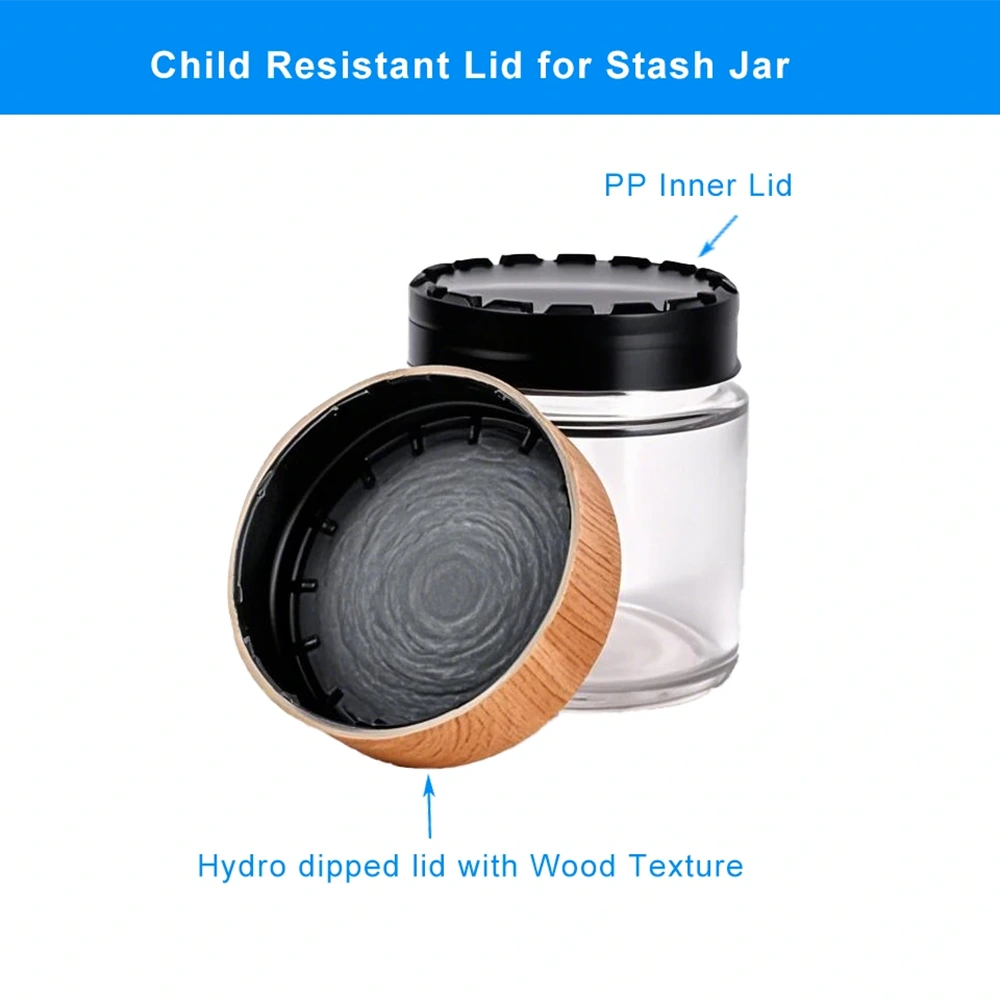
A storage jar is a packaging system, not simply a piece of glass. The jar, closure, gasket, liner, dimensions, and packaging all have to work together.
Is Glass Still a Practical Material for Storage Jars?
Yes, but there are pros and cons to buyers.
Glass has the characteristics of transparency, chemical stability for many food packaging applications, high value and rich recycling flow. Meanwhile, it also weighs more than a lot of plastic options.
Glass bottles and jars are used for food, cosmetic and other products, as indicated by the U.S. EPA's glass data. It is published that in 2018, about 9.79 million tons of glass containers and packaging were produced in the United States and around 3.06 million tons were recycled, marking a 31.3% recycling rate. (US EPA)
These are pre-dating 2024–2025 and would not be relied upon as an up-to-date estimate of what the market size might be. They continue to be useful in comprehending the scope of material type and why recycling and recycled content issues continue to be relevant to manufacturers.
Where Should You Source Glass Storage Jars?
There's no blanket answer.
Large container glass may make sense for standardized, high volume products.
For international buyers, China is particularly worth evaluating when the project requires combinations of custom shapes, multiple lid options, printing, color development, flexible MOQs, and export packaging.
But country alone should never be your supplier-selection criterion.
We would shortlist factories based on four things:
Can they make it?
Can they make it consistently?
Can they pack it properly?
Can they deliver it at the required landed cost?
If the answer to any of these is uncertain, the supplier is not ready for a serious order.
Frequently Asked Questions
Which factories produce glass storage jars?
Glass storage jars are mainly made by container-glass plants and special glass-packaging plants that are designed to melt, form, anneal, inspect and package glass. Many factories produce the whole jar themselves, and others produce the whole jar by outsourcing the decoration, the closing or secondary processing.
What is the difference between Glass Jar Factory and Glass Jar Supplier?
The glass jar factory may control manufacturing equipment and conduct at least a portion of the production process, or a supplier could manufacture the products himself or get products from other factories. Before considering a supplier as a direct manufacturer, buyers need to confirm whether the furnace is in the hands of the manufacturer, the formation of the furnace, the production lines, inspection equipment, and factory documentation.
Which country is best for sourcing glass storage jars?
China offers one of the most practical markets in the world for glass storage jars, as the country's manufacturing capabilities encompass standard food storage containers, Mason jars, unique shapes, decorative finishes, closures, and export packaging. The best country will vary, though, as it will be based on order volumes, customisation, certification needs, freight prices and the buying's target markets.
How do I find reliable glass storage jar manufacturers?
The reliable glass storage jar manufacturers can be found by checking their production equipment, molding equipment, quality control system, molding capacity, export experience, samples and commercial reference. Purchase should also be based on actual production specifications, rather than on catalogs, factory photographs, certification or claims of manufacturing capacity.
What questions should I put to a glass storage jar manufacturer before I place my order?
Prior to ordering, inquire about the product capacity, tolerance of the jar, glass material, size, minimum order quantity, mould cost, sample process, lead time, quality examination, package details, compatibility for the jar packing caps, customerization, and destination-market compliance. If using food, additionally ask for paperwork relating to the proposed marketable food contact use.
Buy Glass Storage Jars From a Manufacturer
Not all the cheapest supplier is necessarily the cheapest supplier chain.
When choosing the factory, the best way for brands, importers, wholesalers, or food-packaging buyers to do so is to compare the manufacturing controls, product consistency, customization options, packaging quality, MOQ, lead time, and TTC of each factory.
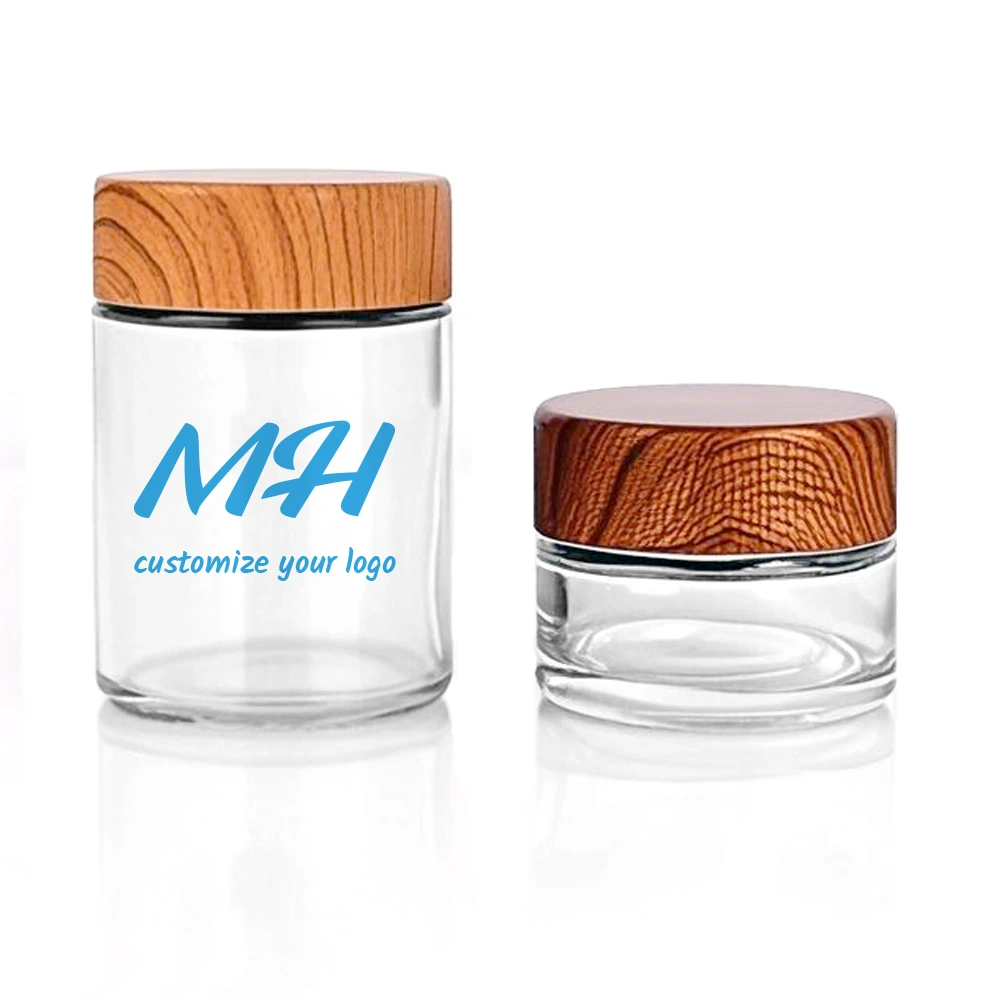
Minghang Glass Packaging is Production Glass Packaging, We produce Glass Packaging of different shapes, different capacity, and different color, put different lid or print different logo on glass packaging.
For ordering standard glass storage jars or custom container development, please provide us with your target size, dimension, quantity, closure needs and destination market. The production route and a practical specification can be investigated and recommended prior to commit to tooling or mass production.

 ONLINE