EN
EN AR
AR BG
BG HR
HR CS
CS DA
DA NL
NL FI
FI FR
FR DE
DE EL
EL HI
HI IT
IT JA
JA KO
KO NO
NO PL
PL PT
PT RO
RO RU
RU ES
ES SV
SV TL
TL IW
IW ID
ID LV
LV LT
LT SR
SR SK
SK SL
SL UK
UK VI
VI HU
HU TH
TH TR
TR FA
FA GA
GA LA
LA MI
MI MN
MN

החיים culinaries בסין עשירים בחוכמה עתיקה ביחס לשמירת מזון, כאשר "חִתָּך הפלפלים" (חִתָּך סיני) הוא דוגמה מובילה. חתיכים אלו לא היו רק אמצעי שמירה על מזון לעתיקים, אלא גם שמרו על סודות האריזה הקיימת, וסיפקו תובנות חשובות למבנה אריזת המזון העכשווי.
אנו לא מדברים רק על חתיכים טרדים מסורתיים עם סדקים במים, אלא גם על עיצובים וחומרים חדשים שמשתפים פעולה בעקרונות שלהם. הסוד הוא להבין כיצד רעיונות העיצוב האנושיים יכולים להועילWholealers - שיפור ביטחון האריזה, שיפור טעמים ייחודיים, ובסופו של דבר הגברת היציבות בשוק. שילוב של טכניקות מסורתיות עם טכנולוגיה חדשה עשוי לפתוח דרכים חדשות לייצור והפצה של מזון.
איך עובד כלי אחסון מלפפונים לשמור על טרי ולחזק טעם?
החֹתֶם הַמַּיִם הַקְסַמִּי
המגבלה המרבית והחשובה של הצלחת הסינית המסורתיית היא בעיצובה, במיוחד בחריץ החותם במים ובבגד הצלחת, אשר יוצרים סביבה אידאלית להמרצה. החותם במים שמעל המכסה פועל כkind of "ventil" טבעי, המאפשר לפחמן דו-חמצני שנוצר במהלך ההמרצה להימלט דרך המים תוך כדי שהוא מונע מהחמצן להיכנס
סוד ההמרצה
חשוב לחסום את החמצן, כדי לאפשר לבקטריה חומצת הלبنيות (כגון לאטובסילוס) לה floreish. ה"בקטריות הנכונות" מ_convרטות את הסוכרים בירקות לחומצת לקטיק, acidifying את הסביבה בתוך הצלחת. זה מונע את הגדילה של בקטריות רעות ומאפשר למאכל להימשך לאורך זמן
אצווה קסומה
הסביבה החופשית מקימצ'י מגיעה עם טקסטורה רזה וריח ייחודי. מלח משנות העשור מלא בחיידקים של חומצה חלבנית. הוספת קצת בביקורת הבאות שלך תאיץ את ההפריה ותבטיח טעם רגיל יותר. הפה הצר והכתפיים הגדולות של הצנצנת מאפשרות גם למירקות להישאר שקועים בתוך המלח, מבטלים את הצורך במאמץ נוסף ומונעים את התפרצות המפטפט. זה קריטי עבור סוחרי גדליםזה מבטיח טעם יציב מגרסה לגרסה.
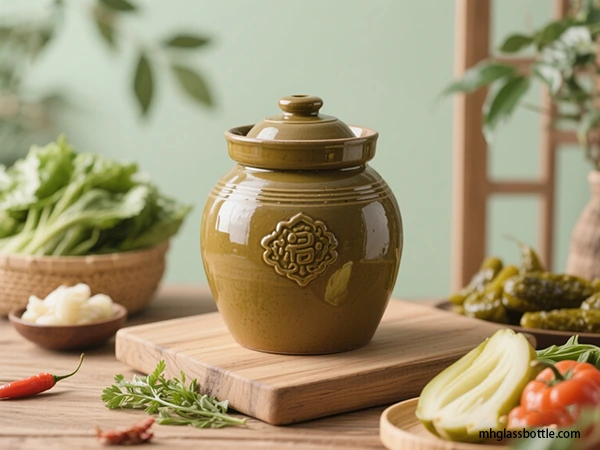
האסתטיקה, הגנה על הסביבה והשימוש החוזר בקנקנים למילוח
מראה סטייליסטי תרבותי
חביות פיקלינג סיניות אינן רק פונקציונליות, אלא גם המראה והבידול האקולוגי שלהן מעוררים עניין גובר. חביות חרס ידועות בתרבויות העבר העשירות שלהן, הן דומות ליצירות אמנות על מדפים ומעלות את המראה של המוצר. המראה המיוחד הזה מושך לקוחות שמחפשים תרבות ואומנות, מה שהופך אותו לגורם מכירה יקר.
ניתנים לשימוש חוזר וחסרי נזק לסביבה
מבחינה סביבתית, חביות קים-צ'י שמיוצרות מחרס או זכוכית ניתנות לשימוש חוזר, ויוצרות פחות פסולת בהשוואה לאריזות חד-פעמיות. למרות שיצורן דורש מאמץ מסוים, השימוש החוזר בהן מפחית משמעותית את ההשפעה הסביבתית בהשוואה לפלסטיק חד-פעמי. לדוגמה, השימוש בחבית מאות פעמים הוא הרבה יותר ידידותי לסביבה מאשר שימוש בבקבוק פלסטיק חדש בכל פעם.
בטוח ואמין
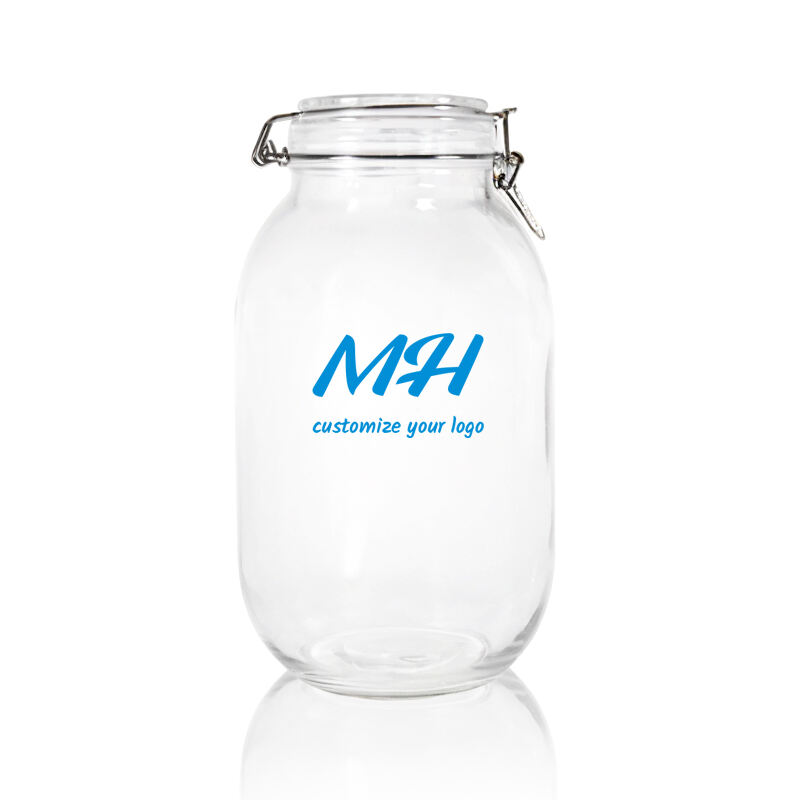
זכוכית וחרסינה הן חומרים מוצקים, ולעומת חלק מהפלסטיקים, אינן שופכות חומרים מסוכנים לתוך המזון, ולכן הן בפרט בטוחות לאחסון לתקופות ארוכות. מינג האנג , מומחה לחברות ספל, מייצרת חביות גבינה מקמח זכוכית מمتاز. כששומרת על האסתטיקה התרבותית של החלות המסורתיות, הזכוכית היא חומרנית, עמידה ובעיקר ניתנת لإعادة שימוש, מה שמתאים למגמות הסביבתיות הנוכחיות ונותן ללקוחות שלוות נפש.
מה אפשר לאחסן בחבית גבינה? יישומים רבים
מעל ומעבר לשמן
עקרון החבית השומנת הסינית הוא רב-תכליתי מאוד, ומאפשר להיעזר בה לא רק לשמנת גבינה אלא גם למגוון רחב של מרכיבים מומתים. כששומרים על הסביבה חסרת החמצן זהה. לדוגמה, בביוטכנולוגיה, כדים מזכוכית משמשים להרחבת פרוביוטיקה, ומדגישים את ניקיונם, נוחות הנקה שלהם וPARSUFITY.
גישה רב-תכליתית לשוק הקמעונאי
בממד הקמעונאי, השימושים בהרחבת עוד יותר: מעבר לקימצ'י, ניתן להשתמש בה גם לחומרי חומצה, לשמירת רוטבים מותמרים ושרף, או אפילו לשמירת מוצרי יבשה הדורשים הגנה מפני לחות ותסיסה. עיצוב החותם במים מתאים במיוחד למוצרים בדרגה קטנה ויד יוצרת, השומרת על הטעם המסורתית תוך הצגת אריזה שניתנת לשימוש חוזר וייחודית במדף. הצרכנים יכולים לאחר מכן להשתמש בקנקנים ככלי אחלה, מה שעושה אותם למשהו מאוד מציאותי. מינג האנג, העוסקת עמוק בתחום הזכוכית, תיכננה מגוון רחב של קנקני זכוכית לחומרי חומצה ליישומים שונים, החל מקנקנים קטנים למשפחה ועד קנקנים גדולים לתעשייה. הביצועים הגבוהים בזיהום שלהם הופכים אותם למתאימים הן לייצור פריטים תעשייתיים והן לייצור ביתי.
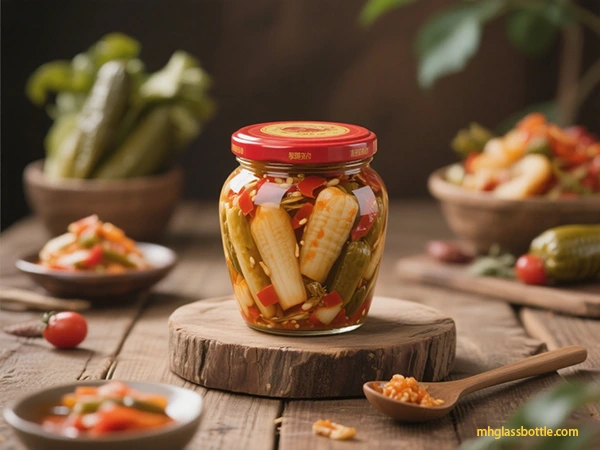
השוואת ביצועים של גביעי שמרים ואחסון אחר
מה שומר על טריות טובה יותר?
השוואה בין גביעי שמרים סיניים לבין איחסון זכוכית, פלסטיק ומתכת, ברכותיהם לחומרים מושמרים הן נקיות. החותם המائي של גביע השמרים מנהל בדיוק את הסביבה הנמוכה בחמצן, מעודד את הגדילה של חיידקי חומצת החלב, מאריך את חיי המדף של המאכלים ומשמר טעם חזק יותר.
בעוד שגביעי זכוכית הם טובים גם כן, לא כולם מצוידים בחותם מائي. גביעי פלסטיק קלים אך רגישים לחומצה, יכולה להתרחש דליפה לאורך זמן ולקחת על סביבת ההשמרה. גביעי מתכת הם אטומים ולא סופגים שינויי טמפרטורה, מה שעושה אותם לא מתאימים למעקב אחרי תהליך ההשמרה.
איך מחשבים עלות ותפקוד סביבתי?
מבחינת הערך, צנצנות חמוצים זכוכית יכולות להיות יקרות במיוחד קודם כל, אך הן יכולות לשמש שוב ושוב, מה שהופך אותן בעלות גבוהה יותר בסופו של דבר מאשר קניות עבור אריזות חד פעמיות. לדוגמה, אם צנצנת משמשת 50 פעמים, העלות בהתאם לשימוש היא הרבה פחות מאשר שימוש בקבוק פלסטיק חדש לגמרי. מבחינה סביבתית, זכוכית יכולה להיות מיחזורית, ושימוש חוזר ומחזורי מקטין את הפסולת, מה שהופך אותה באופן דרסטי יותר ידידותית לסביבה מאשר פלסטיק. באופן כללי, עבור סוחרי גדלים, במיוחד אלה שמקדמים מרכיבים מופחים עם הפסקת תהליך התסיסה גבוהה, צנצנות חמוצים זכוכית מציעות חסכונות כספיות לטווח ארוך וטבות סביבתיות.
חידושים מודרניים בעקרונות קנקן חמוצים מסורתיים
עקרונות ישנים, טכנולוגיות חדשות
העיצוב של צנצנת המוצץ הסינית סיפק השראה רבה לחדשנות האריזה של היום. חותמות מים מסורתיות מסתמכות על מים כדי לדאום חמצן, אבל עכשיו הם יכולים להיות משולבים עם טכנולוגיות מעולות יותר, הכוללות סופגים חמצן בתוך המכסה, כדי להפחית את רמות החמצן ולשמור על טריות יותר.
שיפורים חומריים
גם התקדמות חדשה נעשתה בחומרים, הכוללים את השימוש בציבורי זכוכית עמיד יותר או השימוש בחומרים ניתנים להפרדה ביולוגית עבור הבקבוק הפנימי עם בקבוק זכוכית חיצוני שניתן לשימוש רב. זה שומר על היכולת לשחזר שימוש מסורתית תוך שילוב היתרונות של חומרים עכשוויים.
הוספת תכונות חכמות
ביכולת חכמות ניתן לשלב גם חיישן קטן בתוך המכסה שמציג על גבי מסך את הטמפרטורה וה-rH הפנימית, ומאפשר ללקוחות להציג את מצב התסיסה בטלפון הסלולרי שלהם. הדבר הזה הופך את הניהול המדויק לקל יותר wholesalers. מינג האנג, מ новטור בתחום תעשיית הזכוכית, שילבה טכנולוגיות אלו בעיצובי חביות פיקלצ'ן זכוכיתיות, תוך הוספת חיישן איטום מיוחד בפי החבית, ובשימוש בשיטה מיוחדת כדי להגביר את עמידות הזכוכית בפני קורוזיה, תוך שילוב חלק בין רעיונות מסורתיים לטכנולוגיה מתקדמת.
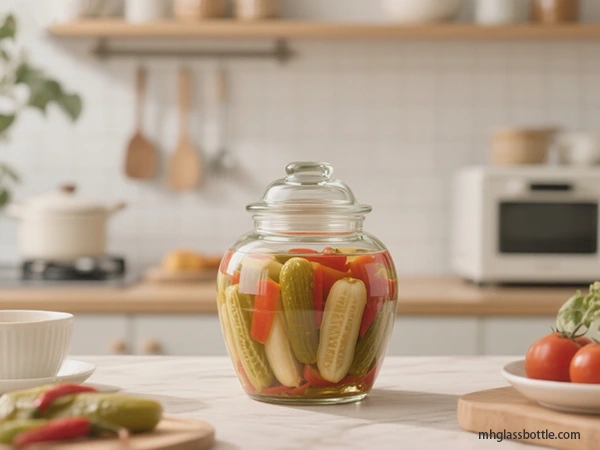
התפתחות חומרי חבית הקימצ'י
החביות החמריות המוקדמות
הכדים הראשונים pickle במטבח הסיני יוצרו מחרס, אשר מספק את כמות האוויר הנכונה לדליפת אויר, מאפשרת לגזים של תהליך השמרים להימסר לאט גם כאשר היא עוצרת את הכניסה של חמצן מוגזם. המינרלים הקיימים בחרס תורמים גם הם טעם ייחודי לקים-צ'י. עם זאת, כדים מחרס נמצאים בסיכון חדירת מי מלח ודורשים טיפול זהיר.
המונחיות של כדים זכוכיתיים
לאחר מכן הופיעו כדים זכוכיתיים לשמירה על קים-צ'י, פתרו מספר בעיות מיד: זכוכית היא חומר אטום וمقاומת למים, מאפשרת תצפית ישירה בתהליך השמרים, ומקלה על ניקוי. למרות שהם כבדים יותר מכדים חרסניים, הם מציעים עמידות וביטחון מתקדמים בהרבה.
השכללת הזכוכית המודרנית
יומן חביתות הגלס לשמן קיםצ'י הן מתקדמות יותר, עם סמיכות אחידה של הגלס, חותמים מים מחומרים מדעיים, ועוד כמה תכונות של תחתית מנוגדת להחלקה וכפותทน לשריפה. מינג'נג', עם ניסיון עשיר בתחום הגלס, מייצרת חביתות קיםצ'י מגלס בורוסיליקטי, שהוא עמיד בחום ובטוח מפני מכות. גם בחורף, החביתות עמידות בפני סדקים גם כאשר מים חמים נשפכים לתוכן, מה שעושה אותן עמידות יותר מחביתות גלס רגילות.
עיצובים מחוכמים של חביתות לחומרי מרקחת באזורי מוצא שונים
חביתות מנצחיות: מניעת לחות בפרימיום
בגלל שהדרום של סין הוא לח, חביתות המרקחת הסינדיות נבנו עם דגש גדול יותר על נגינה בפני דליפה. לדוגמה, החריץ העוטף את המים הוא עמוק יותר כדי להרחיק לחות וחרקים. חביתות עם גוף רחב ופה צר מקטינות את השטח שחשוף לאוויר, מה שמאפשר לחומרי המרקחת להישאר שלמים ולא להתקלקל.
חביתות צפוניות: בידוד הוא המפתח
בגלל האקלים היבש בצפון סין, מיכלי הפיקל הופנו יותר לכיוון בידוד. הזכוכית או החרס נוצרו בעובי רב יותר, וחלקם אף בעלי שכבה כפולה כדי להפחית את אובדן החום, ומבטיחים תסיסה נקייה גם בקור קיצוני.
עיצובים ייחודיים של מיעוטים אתניים
לחלק מהמיכלים של מיעוטים אתניים יש גם יצירתיות רבה. לדוגמה, מוטבעים דוגמאות על הזכוכית, מה שעושה אותם גם אסתטיים וגם מניעים החלקה. אחרים מציגים מכסים עם מסננים לצורך שפיכת המלח בקלות. מיכלי הפיקל של Minghang מותאמים לצרכים אזוריים שונים, עם זכוכית עבה יותר לצ тепло בחלקים צפוניים וסיבוב מים חזק יותר למניעת דליפה בחלקים הדרומיים, תוך איזון בין תכונות אזוריות לפונקציונליות.
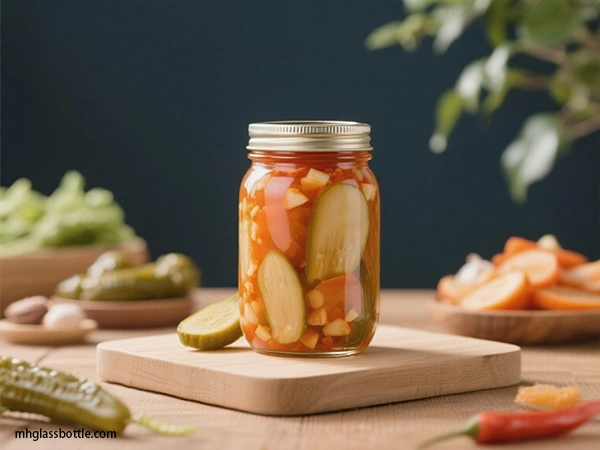
טיפים לשימוש במיכל פיקל זכוכיתי
איך לפתוח מיכל חדש
להטיל מיכל זכוכיתי חדש במים נקיים למשך יום, לאחר מכן לשטוף אותו במים חמים ולהניחו להתייבש באוויר. אם יש לו סיבוב מים, יש לבדוק את המיכל מפני זיהום ואת החזקה של המכסה כדי להבטיח סגירה אטומה.
דברים שכדאי לשים לב אליהם בעת שימור ירקות
לפני השימור, יש לשטוף את הירקות ולסנן אותם היטב. לא מומלץ להשתמש במים גולמיים או שמן, שכן הם עלולים לגרום לריקבון. יש להתאים את רמת המלח במحلول המלח ולהכניס את הירקות בקבלה עד הקצה. יש להוסיף מים למסגרת החותמת כדי לשמור על סגולה אווירית. השתמשו במקשה נקייה כדי להוציא ירקות ולחבקו אותם מיד לאחר השימוש.
איך לשמר את המלח הישן כדי לשמור על האיכות
מלח ישן הוא יקר. הוסף מעט מלח או יין לבן בכל פעם שאתה מוסיף ירקות חדשים כדי למנוע ניזוק. הפריל של צנצנת זכוכית מאפשר לך לראות בבירור שינויים בשלח. אם זה הופך מעורפל, להוסיף זנגביל או שום מיד. כמומחה בתעשיית הזכוכית, מינגאנג מייצרת צנצנות קימצ'י עם חצרות משובכות ומלוטשות וגרורות חותמת מים קלות לניקוי. הם גם מגיעים עם הוראות שימוש מפורשות, כך שאפילו מתחילים יכולים להתחיל בקלות ולעשות נוזל טוב לחימום.
תוכן העניינים
- איך עובד כלי אחסון מלפפונים לשמור על טרי ולחזק טעם?
- האסתטיקה, הגנה על הסביבה והשימוש החוזר בקנקנים למילוח
- מה אפשר לאחסן בחבית גבינה? יישומים רבים
- השוואת ביצועים של גביעי שמרים ואחסון אחר
- חידושים מודרניים בעקרונות קנקן חמוצים מסורתיים
- התפתחות חומרי חבית הקימצ'י
- עיצובים מחוכמים של חביתות לחומרי מרקחת באזורי מוצא שונים
- טיפים לשימוש במיכל פיקל זכוכיתי