EN
EN AR
AR BG
BG HR
HR CS
CS DA
DA NL
NL FI
FI FR
FR DE
DE EL
EL HI
HI IT
IT JA
JA KO
KO NO
NO PL
PL PT
PT RO
RO RU
RU ES
ES SV
SV TL
TL IW
IW ID
ID LV
LV LT
LT SR
SR SK
SK SL
SL UK
UK VI
VI HU
HU TH
TH TR
TR FA
FA GA
GA LA
LA MI
MI MN
MN

While it is easy to obtain mason jars wholesale, it isn't as easy to determine the right manufacturer. Here's a guide to help you compare the various factories, costs, compliance, customization, and shipping before making a bulk order.
Almost any packaging distributor can help you if you require a few dozen Mason jars. When you want to buy, for example, 10,000, 100,000 or regular container loads, the buying equation changes completely.
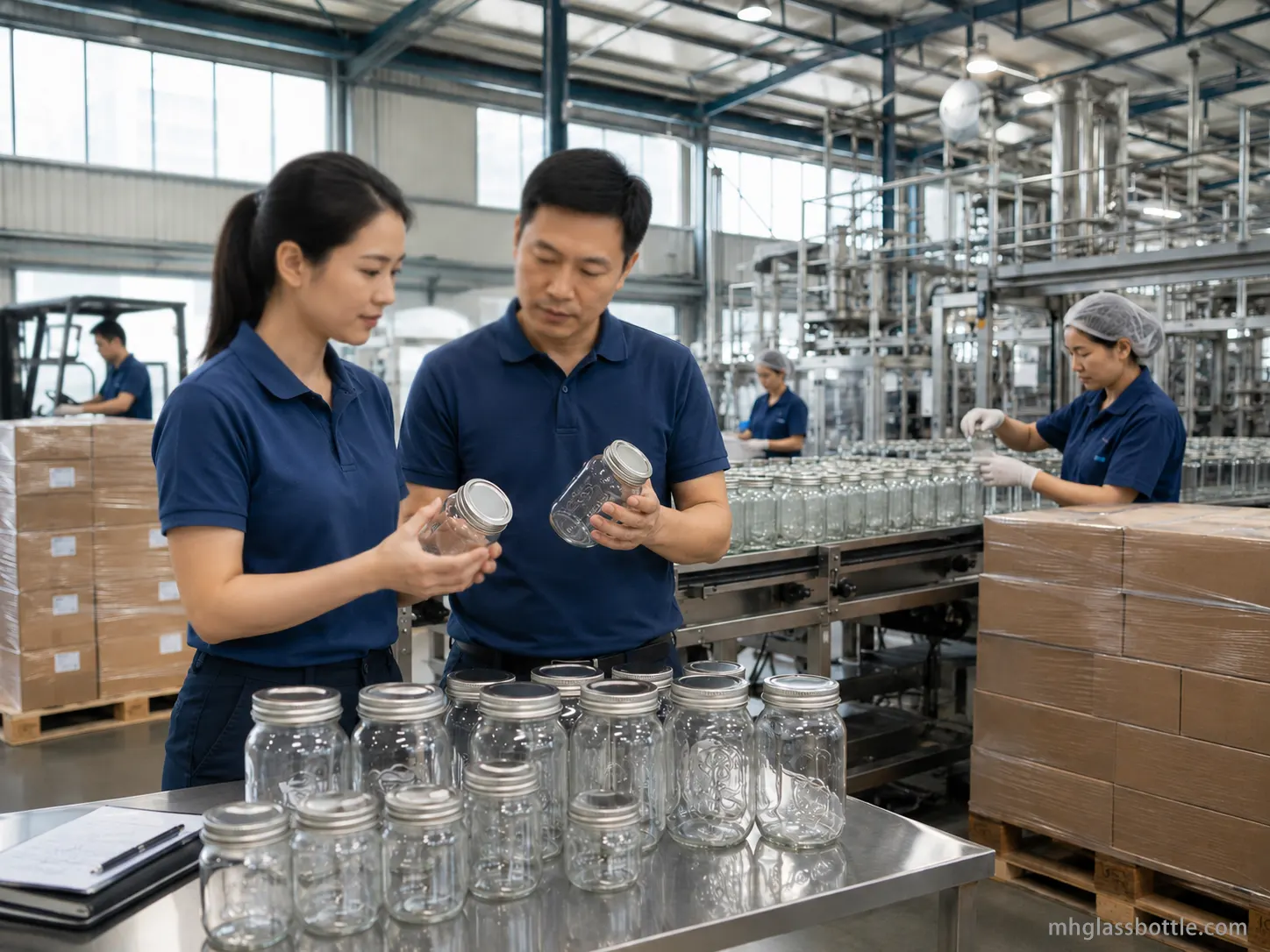
The better question is why “Where can I buy wholesale mason jars?”
It turns into: What retailer(s) offer them at a consistent landed cost, with good quality glass, the same lids, reliable production volumes, and documentation that won't fail our quality or compliance inspection?
We've had customers who've looked only in the jar and not in the other factors. Typically this is the wrong way around.
Price comes later.
First, when we look at a glass supplier we want to know that the factory is able to control the jar body, the finish on the neck, the fit of the lids, decoration, packing process, the breakage rate, the production schedule and the pre-shipment inspection from one production run to the next.
What's the point in spending 3 cents on a jar but having an ill-fitting lid when the order arrives to your filling line?
Where to find Wholesale Mason Jars?
The sourcing avenues in practice are – packaging distributors, online marketplaces, specialized jar wholesalers and glass manufacturers.
For commercial buyers, they are not interchangeable.
| Sourcing Channel | Best For | Main Advantage | Main Limitation |
|---|---|---|---|
| Direct glass manufacturer | Large or recurring orders | Lower factory-direct cost and customization | Higher MOQ and longer planning cycle |
| Packaging distributor | Small to medium orders | Local inventory and faster delivery | Higher unit cost |
| Specialized jar wholesaler | Standard stock jars | Easy access to common sizes | Limited structural customization |
| Online marketplace | Supplier discovery and samples | Large supplier pool | Manufacturer identity can be difficult to verify |
However, if you are a buyer who is looking for mason jars bulk for your food manufacturing, retail distribution, private-label packaging or regular wholesale program you should consider buying from a mason jar manufacturer.
The manufacturer option is particularly beneficial for cases where custom capacities, embossed logos, screen printing, spray colours, special lids, cartons, dividers, pallets or other packaging configurations are needed.
Manufacturer or Trading Company? Know Who You Are Buying From
This distinction matters more than most buyers admit.
A company calling itself a “manufacturer” online may actually be a trading company purchasing jars from several factories. That is not automatically bad. Good trading companies can provide excellent sourcing and consolidation services.
But you need to know which model you are paying for.
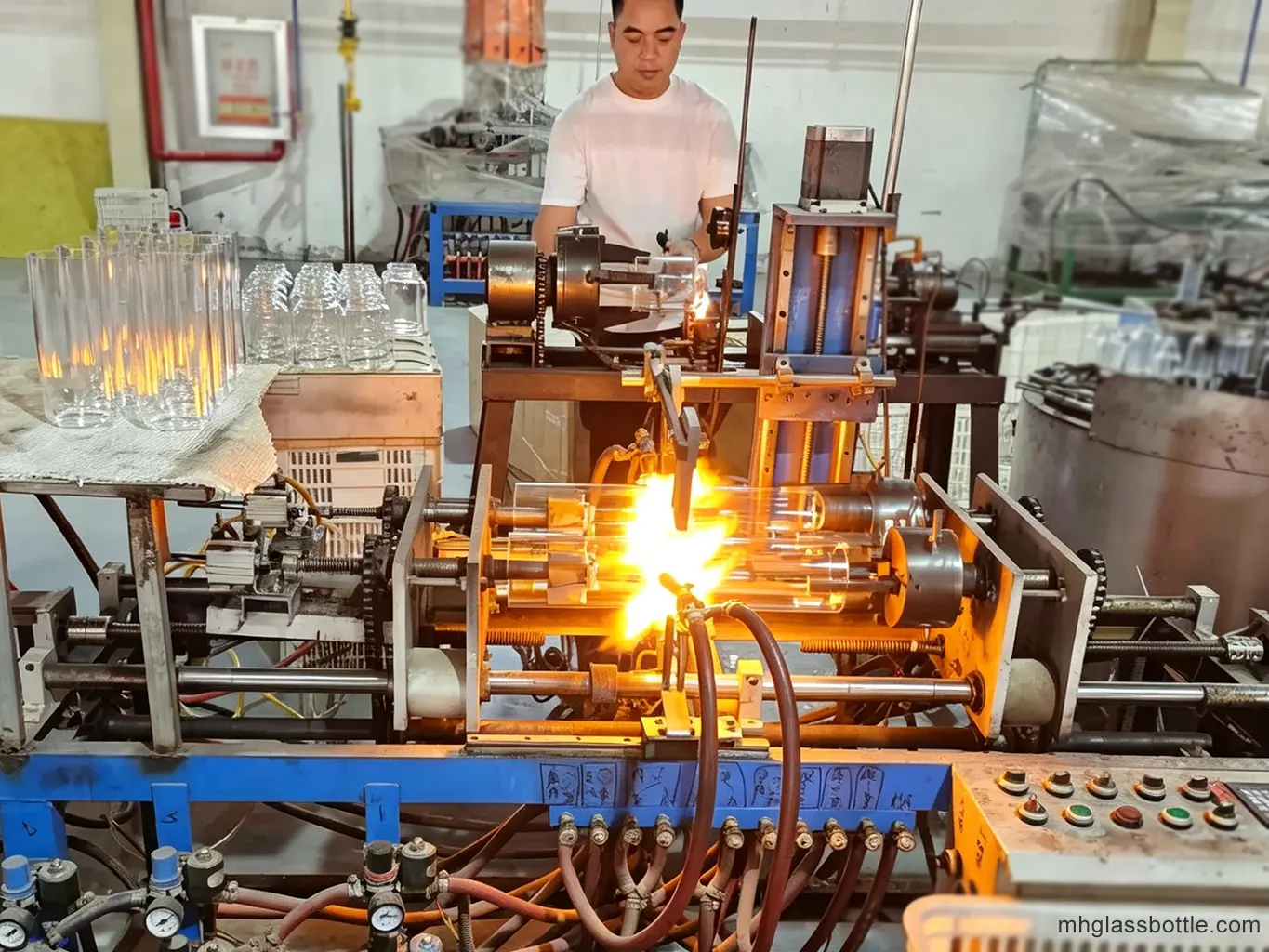
A genuine glass container manufacturer should normally be able to explain:
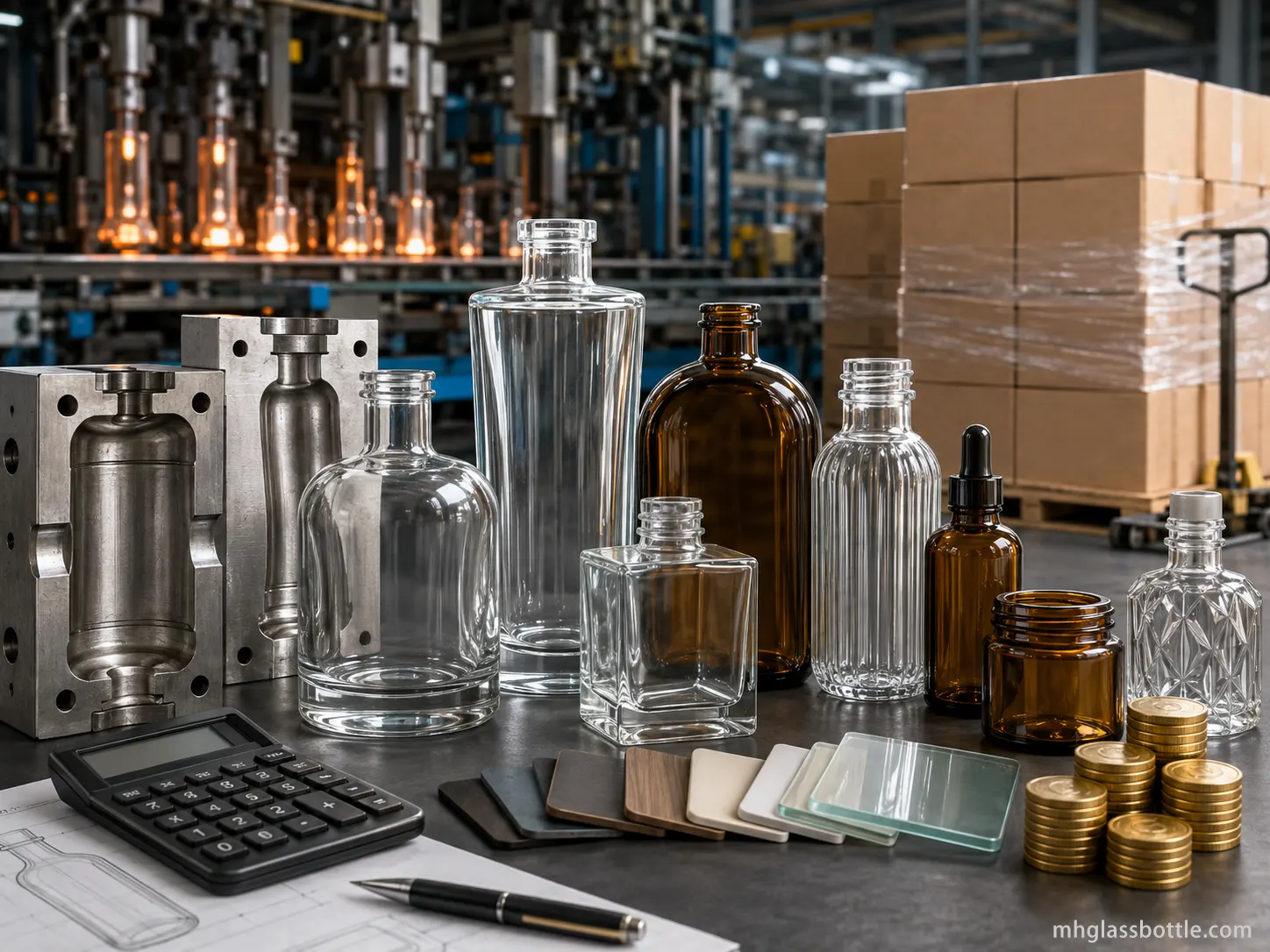
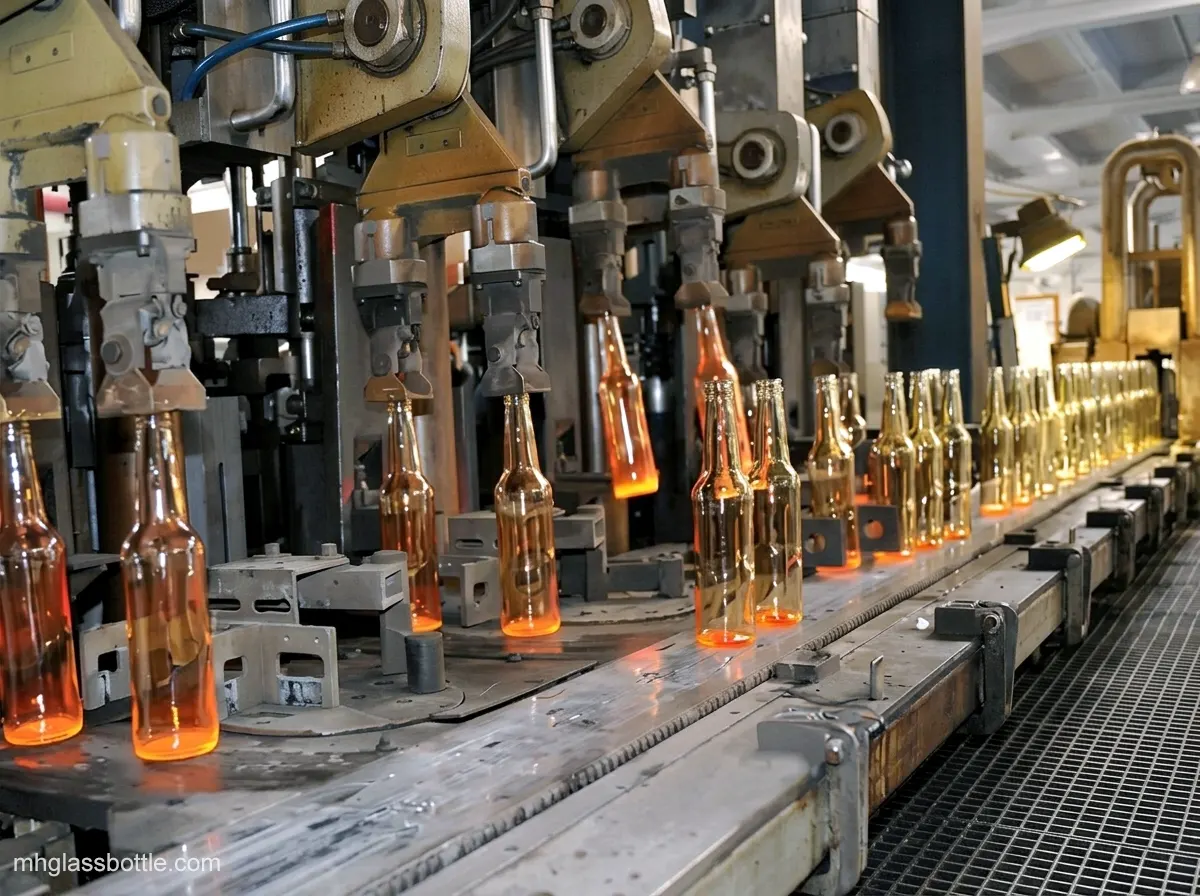
- Production lines and forming equipment
- Furnace and production capacity
- Mold development
- Glass forming and annealing
- Quality-control checkpoints
- Decoration capabilities
- Closure sourcing
- Carton and pallet specifications
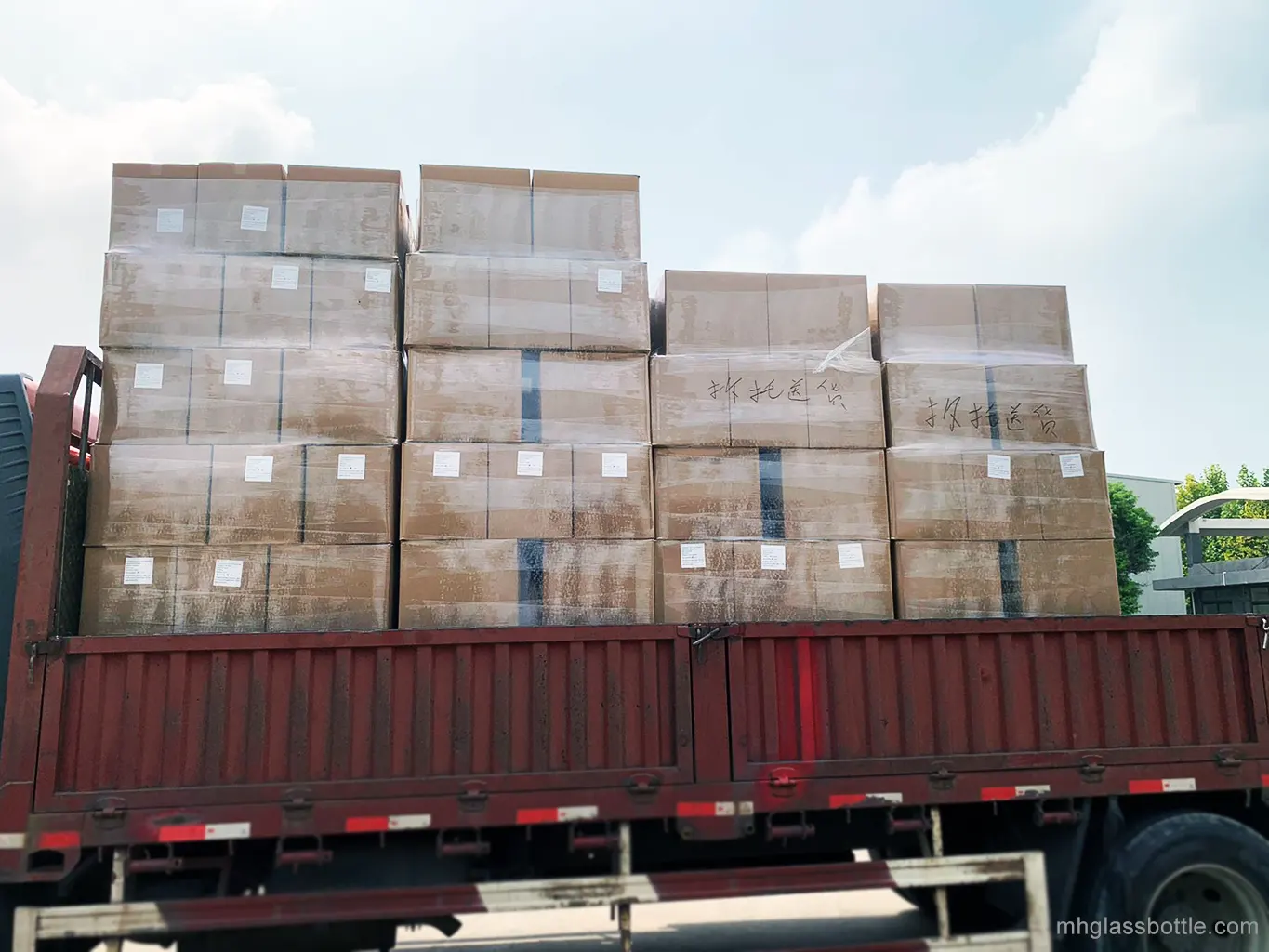
- Export loading procedures
Ask for production-floor videos.
Ask which processes are performed in-house.
Ask where the mold is made.
And when possible, arrange a factory audit or live video inspection rather than relying on polished website photography.
For buyers trying to buy mason jars directly from manufacturer sources, this verification step can eliminate a surprising amount of confusion before quotations are even compared.
Define the Jar Before Asking for a Price
One of the weakest RFQs we receive looks like this:
“Please quote 16 oz Mason jar.”
This is not sufficient data to accurately quote a production.
The glass weight, diameter, finish on the neck, number of lids, carton amounts, decoration and pallet configuration may vary between two differently sized 16 oz. jars. Costs of their factories can thus vary considerably.
When calling a wholesale glass jars manufacturer, at least these specifications should be clearly defined:
Fill the jar and measure the capacity
Indicate both millilitres and fluid ounces or just one.
Also provide your acceptable:
- Total height
- Body diameter
- Mouth diameter
- Fill capacity
- Overflow capacity
- Glass weight
The physical glass weight matters because freight for empty glass packaging is not trivial.
Neck Finish and Lid
Do not treat the lid as an afterthought.
For bulk canning jars, sauce jars, honey jars, storage jars, and other food applications, confirm the exact mouth and closure system before approving production.
Options may include:
- One-piece metal screw lids
- Two-piece Mason-style lids
- Lug caps
- Plastic screw caps
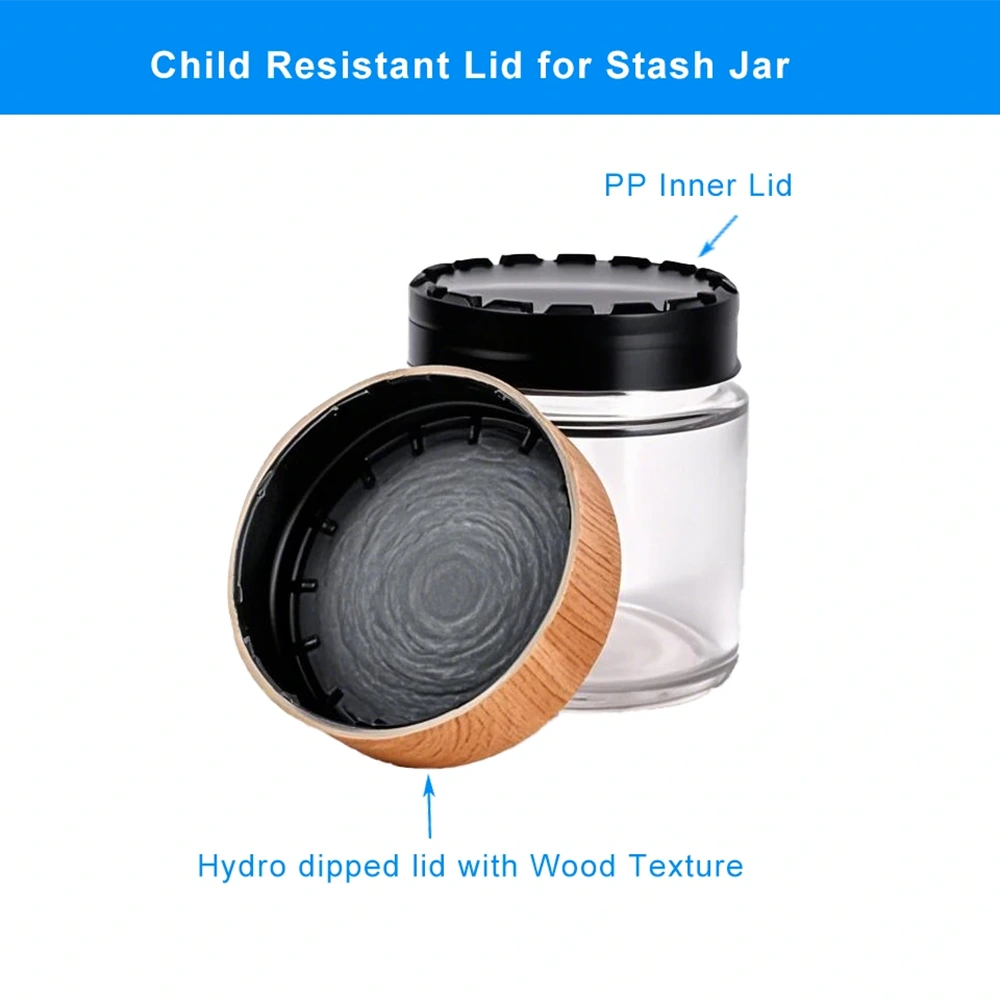
- Bamboo or wooden lids
- Silicone gasket closures
- Tamper-evident systems
The jar and lid should be tested as one package.
Glass Material
The containers for most mass market food jars are made from soda-lime container glass, which is based on silicon dioxide (SiO₂) with the addition of other compounds such as sodium oxide (Na₂O) and calcium oxide (CaO).
A jar may be made of a good material, but that doesn't necessarily mean it is right for your filling process.
Inform the manufacturer if the jar containing the food is to be for dry food, honey, sauces, pickles, beverages, candles or something else. Please also include if there are hot fillings, pasteurization, pressure, freezing, or rapid temperature changes in your process.
Stock Mold or Custom Mason Jar?
This decision changes the economics immediately.
A stock mold uses an existing jar structure. You can still customize many visible components without paying for an entirely new bottle mold.
Common options include:
- Screen printing
- Decals
- Labels
- Frosting
- Spray coating
- Logo engraving
- Custom cartons
- Custom lids
- Laser engraving on bamboo or wooden closures
A fully custom jar structure is different.
Changing the body geometry, shoulder, base, embossing, neck, or capacity can require new mold engineering and sampling. Tooling cost therefore becomes part of the project before mass production begins.
For most new brands, we recommend starting with a stock structure unless the jar shape itself is commercially important.
Prove the product first.
Custom tooling can come later.
How Wholesale Mason Jar Pricing Actually Works
The unit price printed on a quotation is not your real packaging cost.
Your actual equation is closer to:
The following items are considered as part of inland transportation costs:
Therefore it is almost futile to compare one supplier's EXW price to another supplier's delivered quotation.
Consider a purely illustrative sourcing model:
| Cost Component | Example Per-Jar Cost |
|---|---|
| Glass jar | $0.18 |
| Metal lid | $0.06 |
| Printing | $0.03 |
| Carton/divider allocation | $0.04 |
| Freight allocation | $0.10 |
| Illustrative subtotal | $0.41 |
These figures are not live market quotations. They simply show why a seemingly cheap $0.18 jar can become a $0.41 packaging unit before duties, taxes, warehousing, and final delivery are considered.
And freight can move violently.
On May 31st, 2024, Reuters reported that the spot price for a 40-foot container from China to Northern Europe was $4,615, which is almost 3.5 times higher than May 1st. Spot rates between China and the U.S. east coast were reported at $6,061, compared to $2,772 on May 1. See the original Reuters shipping report.
That is why we prefer comparing landed-cost scenarios, not screenshots of unit prices.
What MOQ Should You Expect?
There is no universal MOQ for wholesale mason jars.
MOQ depends on whether you are buying an existing stock product, scheduling a production run, changing glass color, adding decoration, developing molds, or combining several SKUs into one order.
Generally, stock designs provide more flexibility.
Custom structures provide less.
A buyer ordering an existing clear jar with a standard lid creates a very different production problem from a customer asking for a custom embossed amber jar, proprietary neck finish, printed logo, and individually designed retail packaging.
When requesting quotes, ask suppliers to provide three levels rather than one:
- Trial-order MOQ
- Economical production quantity
- Full-container quantity
That reveals the real pricing curve much faster.
Food-Contact Compliance: Do Not Accept a Logo as Evidence
“FDA approved.”
We see this phrase used far too casually in international packaging sales.
According to the U.S. FDA, food-contact substances are defined as food packaging and food-packaging components, which are defined as products intended to come into contact with food, or as food-contact substances that may come into contact with food and are capable of "becoming a component of the food or adding to it. Migration and toxicological information are taken into account by the agency when assessing relevant substances. Consumers can view FDA's July 2024 food packaging guidance.
So when a supplier says its jar is “FDA compliant,” ask what exactly that statement covers.
The glass?
The coating?
The lid liner?
The ink?
The adhesive?
The silicone gasket?
Remember that the packaging system contains more than glass. A clear jar may be chemically simple, while the closure liner, printing ink, coating, adhesive, or other component requires separate attention.
For serious procurement, request actual test reports and identify the tested SKU, material, test method, laboratory, report date, and intended use.
European Buyers Need to Watch PPWR
Europe is moving in a more demanding direction.
Packaging and Packaging Waste Regulation (EU) 2025/40 (PPWR) became effective on 11 February 2025, and will have general effects from 12 August 2026. European Commission says that the regulations are designed to ensure that all packaging available for sale in the EU are recyclable economically by 2030. Read the overview of the European Commission PPWR.
The capacity of glass-packaging buyers is what's essential: not to judge a book by its cover.
Examine the entire package assembly such as closures, labels, sleeves, coatings, decoration and secondary packs.
In the real world, packaging designed to impress on a marketing mock-up can lead to additional complexity in recycling.
How We Evaluate a Mason Jar Manufacturer
When buyers ask us how to source wholesale mason jars, we recommend scoring factories rather than choosing them emotionally.
A useful supplier scorecard looks like this:
| Evaluation Area | What to Check | Warning Sign |
|---|---|---|
| Manufacturing | Factory, furnace, forming lines, molds | Cannot explain production |
| Product consistency | Dimensions, weight, neck finish | Large variation between samples |
| Closure system | Fit, seal, liner compatibility | Jar and lid quoted separately without testing |
| Food-contact documentation | Relevant current reports | Generic certificate with no SKU link |
| Customization | Printing, coating, embossing, lids | Everything outsourced without control |
| QC | Inspection standards and records | “We check before shipping” with no procedure |
| Packing | Dividers, cartons, pallets | No export breakage plan |
| Capacity | Monthly output and scheduling | Unrealistic lead-time promises |
| Communication | Engineering response quality | Sales team avoids technical questions |
| Traceability | Batch and production records | No identifiable production batch |
A beautiful sample means less than buyers think.
Mass-production consistency is the real test.
Order Samples, but Test Them Properly
Three jars sitting on your desk will not tell you much unless you have a test plan.
For sample approval, check:
- Capacity
- Glass weight
- Dimensions
- Wall and base appearance
- Mouth finish
- Lid engagement
- Seal performance
- Decoration alignment
- Color consistency
- Carton configuration
- Compatibility with your filling line
If your product uses automated filling, capping, labeling, induction sealing, pasteurization, or other processing equipment, test the actual jar through that equipment.
Never approve packaging based only on appearance.
Keep one approved sample as a golden sample and make it the reference for mass-production inspection.
Is it a China Manufacturer or Local Wholesale Supplier?
No automatic winner is set.
When looking to speed/low order quantity, warehouse availability or when minimal inventory risk outweighs unit economics, then buy locally.
Procurer from overseas manufacturers when satisfaction of order volume, customization, repeat production and cost control is warranted by the extra effort in procurement.
| Requirement | Local Distributor | Direct Manufacturer |
|---|---|---|
| Small quantity | Better | Usually weaker |
| Immediate delivery | Better | Weaker |
| Custom jar structure | Limited | Better |
| Custom decoration | Moderate | Better |
| Factory-direct pricing | Weaker | Better at scale |
| Inventory flexibility | Better | Requires planning |
| Supplier management workload | Lower | Higher |
| Large recurring orders | Moderate | Strong |
And don't forget about logistics!
An independent news service, Reuters, reported in July 2024 that disruption had not just been experienced on routes from the Far East to Europe and had extended to Maersk's wider global network, with ships taking longer, and rerouting routes around the Cape of Good Hope, adding to higher freight costs. This Reuters article about how Maersk's network disruption relates to freight procurement helps remind us that freight procurement is not a problem unto itself—it's part of packaging procurement.
A Mason Jar RFQ should contain:
A good RFQ saves days of needless e-mail back-and-forth.
Send the supplier:
- Jar capacity
- The image and/or the drawings are used as references.
- Required mouth/neck finish
- Lid type
- Product being packed
- Filling conditions
- Decoration requirements
- Estimated annual volume
- First-order quantity
- Where to deliver the shipping: Destination Port or Delivery Location.
- Certain certification requirements or test reports are required.
- Origin: EXW, FOB, CIF or agreed upon origin of the goods.
Ask for the different components to be priced separately: jar, closure, decoration, mould (if one is used), as well as packaging and logistics.
This makes comparison of quotations much easier.
Then, Where to Get Wholesale Mason Jars?
For small orders on and off the regular basis, begin with a neighborhood packaging supplier.
In the case of standard inventory products, particular jar wholesalers might suffice.
When it comes to private label packaging, custom decoration, multiple capacities or container volume purchases, however, having direct contact with a verified glass manufacturer often means greater control and more control over the economics of the product.
Don't look for the lowest price supplier.
Find the supplier that you can confirm the process.
This distinction is quite apparent at the second and third order.

FAQ
The best place to purchase wholesale mason jars is where?
The ideal wholesale mason jar supplier is a company that has a factory that is certified to make glass containers that comply with FDA regulations and standards, offers proof of food contact certification, provides an array of customizations, has records of quality control and inspection, and packages them for exports at a landed cost that accommodates your resale or production plans. Domestic distributors would be more suitable for small orders, and, for high volume programs, direct factory sourcing would probably be appropriate.
Whisk, what is the normal MOQ for direct purchase from manufacturers of mason jars?
The minimum order quantity for wholesale mason jars is the smallest production level that a manufacturer will tolerate for a particular jar, closure, decoration, or custom combination; depending on the availability of the mold, production schedule, glass color, requirement of printing, packaging, and existence of the product in production. Order at “trial,” “economical production” and “full container” rather than minimum order quantity.
If you're considering purchasing mason jars, which is cheaper: domestic or imported?
To achieve a lower factory product cost at a large enough volume, purchase mason jars from China, and for small or urgent orders, perhaps a lower total procurement cost can be realised by purchasing locally as it will reduce the need for international freight, customs processing, lead time, inventory commitments, and the amount of work involved in managing an overseas manufacturer. Look at the landed cost instead of price per unit before you make your choice.
Are wholesale mason jars required to be FDA certified?
Whenever supplier claims their mason jar is “FDA certified” it should be treated as part of the entire food contact package system and evaluated as such including the glass container and associated container closures, inks, coatings, lining, adhesive, or other elements. Ask for product-specific documentation and ensure that the tested materials are for the same intended use as your project.
How do I check out a mason jar manufacturer before placing an order?
The mason jar manufacturer can be confirmed by checking the legal company identity, production facility, production equipment, mold, quality control system, test record, export experience, product samples, production records, and supporting the live factory inspection or third-party inspection before releasing large purchases. Place a controlled trial order and make a comparison between mass production and an approved golden sample.
Buy Mason Jars direct from the manufacturer at Source Wholesale Mason Jars.
When considering the best mason jar manufacturers for bulk order needs, please give us the volume of jars you are buying, lid size you require, annual usage, and any custom requirements, as well as the final destination market.
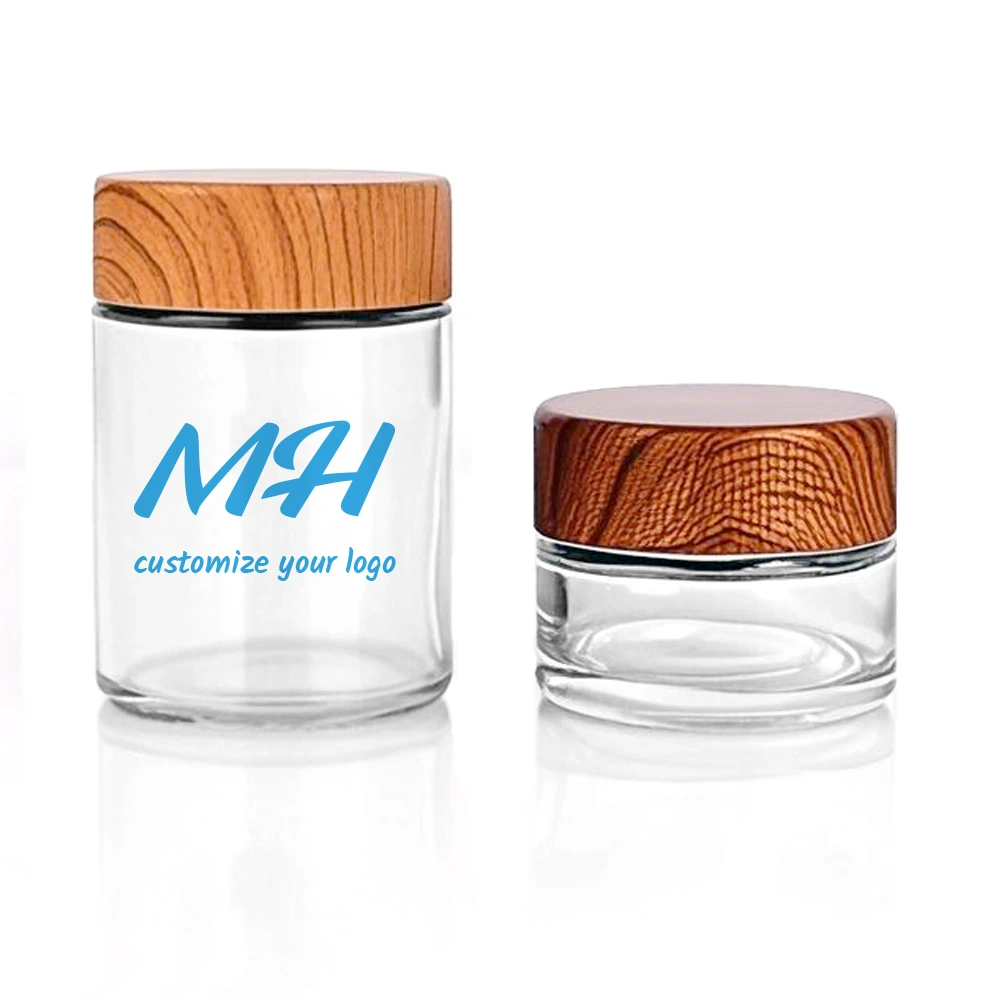
Minghang is also a stock glass jar supplier and custom glass jar manufacturer for food brands, packaging distributors and commercial glass jars buyers; custom sizes, glass jar closures, screen printing and labels, coating, embossing and branded packaging are included.
Instead of sending only a catalog, we can help you evaluate the jar, closure, customization method, packing configuration, and shipping plan as one sourcing project.
Send us your target jar specification and order quantity to request samples and a factory-direct quotation.
 ONLINE