EN
EN AR
AR BG
BG HR
HR CS
CS DA
DA NL
NL FI
FI FR
FR DE
DE EL
EL HI
HI IT
IT JA
JA KO
KO NO
NO PL
PL PT
PT RO
RO RU
RU ES
ES SV
SV TL
TL IW
IW ID
ID LV
LV LT
LT SR
SR SK
SK SL
SL UK
UK VI
VI HU
HU TH
TH TR
TR FA
FA GA
GA LA
LA MI
MI MN
MN

We've been importing glass packaging for years, and the same refrain always emerges: many new importers assume that, by purchasing direct, they are going to get the best deal, but qualified buyers are aware that the lowest quote often translates to the highest delivery cost if there is any deviation from the quality, production schedule, communication, or compliance.

Contact the water bottle factory directly
So, why use trading companies when they are experienced importers?
The answer is not quite as straightforward as "factory good – trader bad".
The glass packaging industry is one of the most fragmented industries around. One manufacturer may be just a bottle forming company. Another has all the decoration tools but employs molding services. The third makes high-quality borosilicate bottles but is not able to provide bamboo caps or silicone sleeves. Many buyers believe that they are dealing with a "factory", but in fact several subcontractors are working under him.
That distinction matters.
Global importers were further sensitized to transparency in their supply chain in 2024, following several investigations in trade into glass products. For instance, the U.S. International Trade Commission has been pursuing investigations of imported glass bottles, and country of origin, manufacturer identity, and supply chain documentation are directly impacting import risks and compliance requirements. (USITC)
The Real Difference between a Glass Water Bottle Factory and a Trading Company
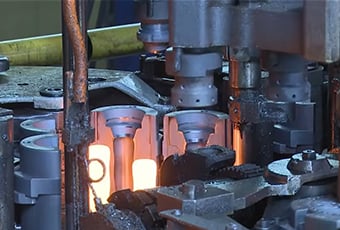
Products are produced in a factory.
A trading company is a company that procures from one or more manufacturers, coordinates the quality of the purchased products, organizes logistics and customer communication, and then resells the products under a commercial agreement.
Simple definition.
Things are really complicated in reality.
A lot of trading companies have sales teams that speak English well they have a lot of different products and they can get things from many different places, which is better, than what medium-sized factories can do. Meanwhile, many factories employ international sales staff while quietly purchasing complementary products from partner factories.
We have seen factories acting like traders.
We have also seen traders operating stricter quality systems than manufacturers themselves.
The business model alone tells only part of the story.
| Factor | Glass Water Bottle Factory | Glass Bottle Trading Company |
|---|---|---|
| Unit Price | Usually lower on large orders | Slight markup for sourcing services |
| MOQ | Often higher (3,000–20,000 pcs) | Usually more flexible |
| Product Variety | Limited to factory capabilities | Multiple product categories |
| OEM Development | Direct mold development | Coordinated with manufacturing partners |
| Communication | Depends on export team | Usually stronger international support |
| Quality Control | Internal production inspection | Cross-factory inspection possible |
| Supply Chain Flexibility | Lower | Higher |
| Best For | Established brands and large importers | Small businesses, distributors, startups |
Price Isn't the Biggest Cost
Many buyers chase FOB pricing.
That is understandable, but incomplete.
Suppose Factory A quotes USD 1.12 per bottle while Trading Company B quotes USD 1.18. Most buyers immediately prefer Factory A because the difference appears significant across a 40HQ container.
But consider another scenario.
Factory A delivers 4% cosmetic defects, requires two production revisions, delays shipment by 18 days, and responds slowly because its export department consists of only two salespeople.
Trading Company B checks each batch of production, swaps out any defective products before shipping, pools lids from another supplier and ships on time.
So who's really the lower cost provider?
Experienced importers do not compute the price of the goods at FOB but compute the Total Landed Cost.
That includes:
- Production consistency
- Defect rate
- Lead time
- Freight delays
- Customs documentation
- Communication efficiency
- Replacement costs
- Opportunity cost
The invoice rarely tells the whole story.
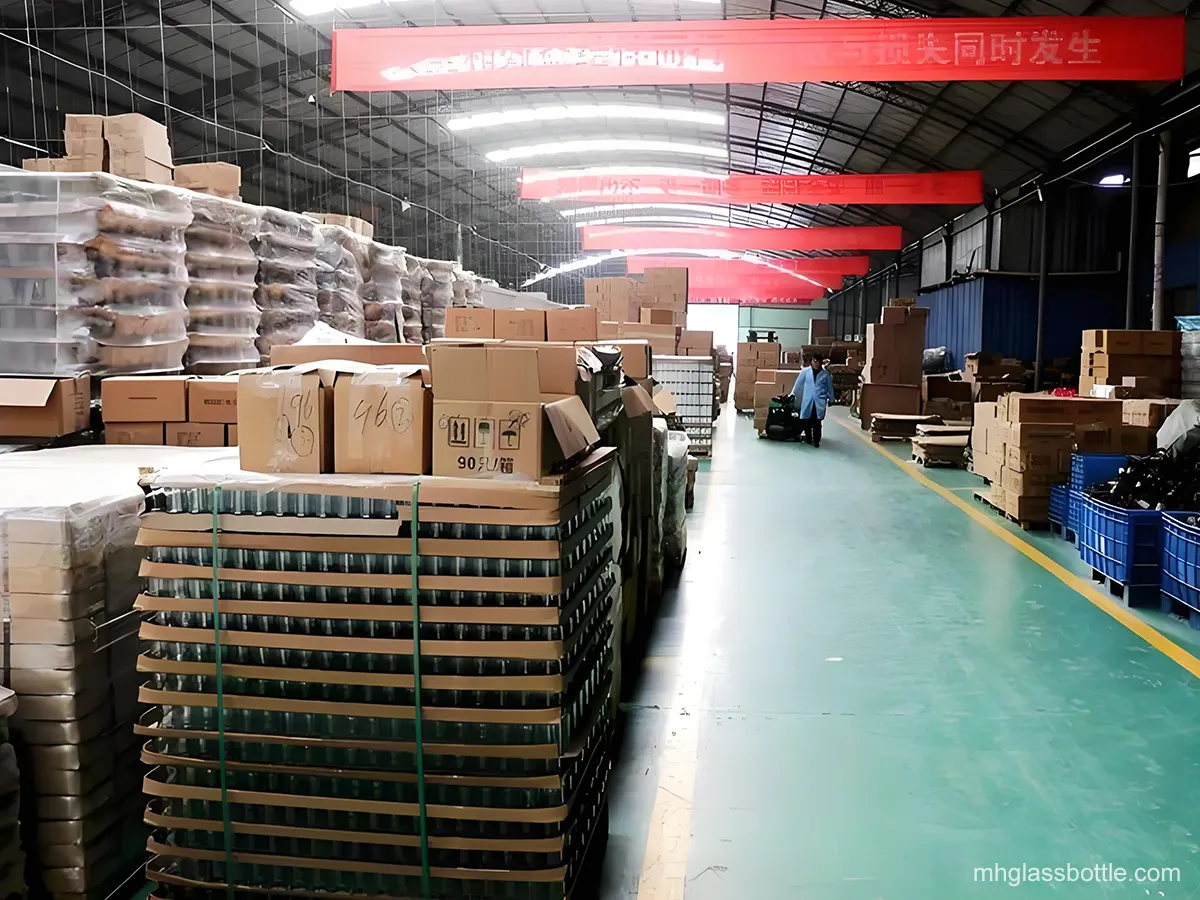
Contact the water bottle factory directly
When Buying Directly from a Factory Makes Sense
Factory purchasing delivers the strongest value when your business has already reached scale.
Typical situations include:
- Annual purchasing above 500,000 bottles
- Custom molds costing USD 2,000–10,000
- Exclusive bottle designs
- Long-term OEM partnerships
- Dedicated quality engineers
- Stable forecasting
Factories perform best when production remains predictable.
They generally prefer repeat orders rather than constantly changing specifications.
When a Trading Company Is Actually the Better Choice
This surprises many buyers.
Trading companies often outperform factories during early-stage sourcing.
Why?
Because they solve problems that factories don't.
Examples include:
- Mixed container loading
- Multiple bottle styles
- Low MOQ orders
- Packaging sourcing
- Lid procurement
- Decoration coordination
- Supplier backup plans
- Shipment consolidation
Instead of managing five factories yourself, one experienced sourcing partner may coordinate everything under one purchase order.
That saves far more time than most importers expect.
Hidden Risks Importers Rarely Consider
Quality drift.
This is one of the biggest issues in glass packaging.
The first production run often looks excellent because management pays special attention to new customers.
The third container may be different.
Color variation increases.
Air bubbles appear.
Logo printing shifts by 1–2 mm.
Tempering consistency changes.
Those problems usually originate from production management rather than sales promises.
We recommend asking suppliers for quality records covering at least three consecutive production batches instead of approving only a single golden sample.
Documentation Matters More Than Ever
“Trading compliance is no longer a luxury.”
In 2024, the U.S. Department of Commerce and the U.S. Customs and Border Protection (CBP) authorities launched several investigations related to imported glass products, reminding importers that manufacturer identification, production records, and country of origin documents can have a direct impact on customs processing and duty exposure. (GovDelivery)
This is not to say all glass water bottles are impacted.
But it does imply that importers should be aware of the manufacturer of their products.
Blind sourcing involves unneeded risk.
Factory vs Trading Company: Our Verdict
We prefer evidence.
Not marketing.
A good trading company might offer the most flexibility and control in situations where an order includes one or two containers, when there are multiple SKUs, when timely communication is important, or when the market is being validated.
While your requirements may be hundreds of thousands of bottles per year, you may need proprietary molds, and your staff has the capacity to conduct supplier audits, monitor production, and oversee logistics, a qualified glass water bottle factory will likely provide the most value for the long haul.
The most intelligent importers don't stick with a single sourcing approach.
They adapt.
Trading companies are used to cut complexity in operations, and subsequently, after a certain point when there is enough predictability in demand, many global brands go straight to the manufacturers of the highest-quality products.
In that way, they will limit their risk and have the buying leverage.
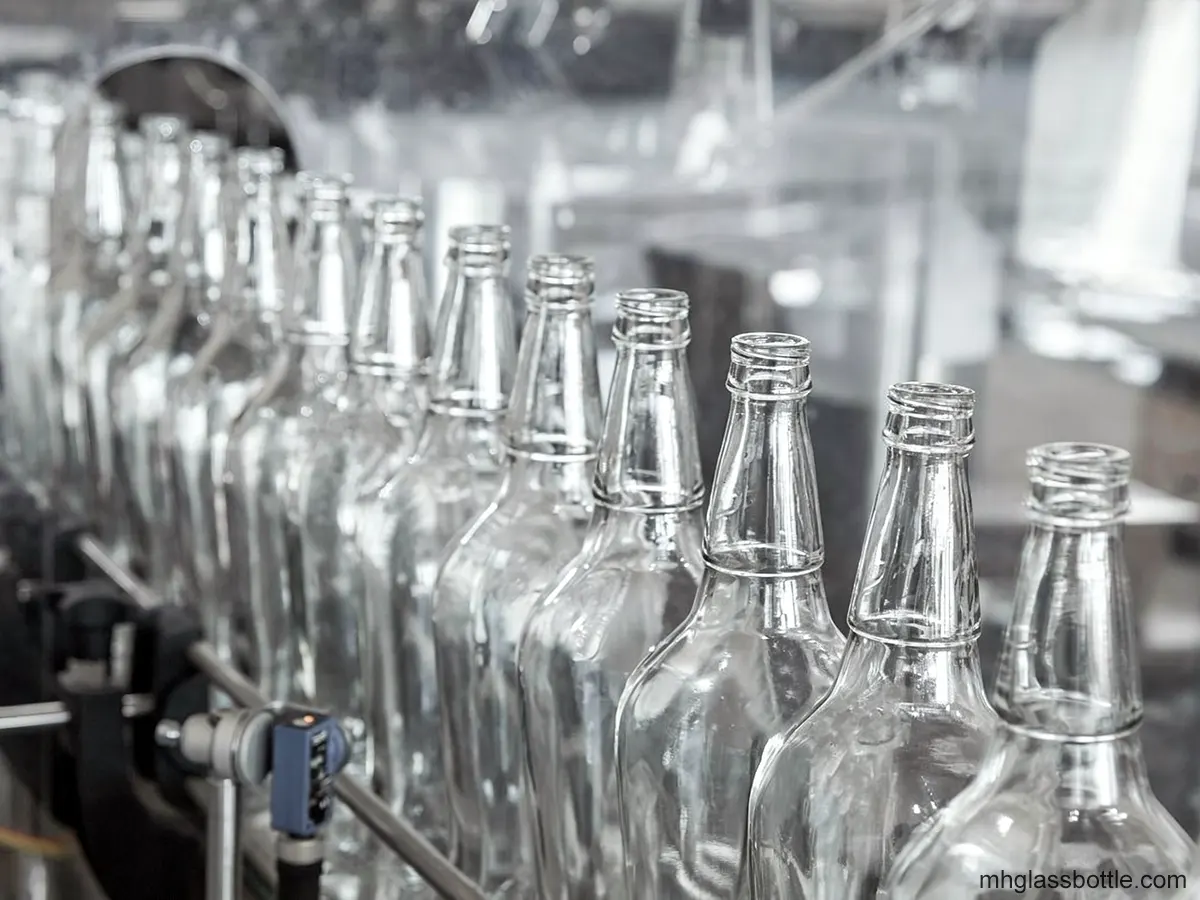
Contact the water bottle factory directly
FAQs
How to select between a glass water bottle factory and a trading company?
If you have high volume, long-term OEM production, you'll be better off with a factory that bottles glass. If you're looking to source from different suppliers, have a smaller order, or you want more flexibility and the ability to coordinate your supply chain, you'll be better off with a trading company. Before making a purchase decision, consider annual buying volume, MOQ, customization needs, quality control and communication effectiveness.
Always is the answer to the question, but is it?Always is the answer, but is it?
When purchasing from a manufacturer, the unit price is generally lower, but not necessarily the total cost of the purchase. A slight cost benefit may not compensate for quality problems, late delivery, increased minimum order quantities, extra supplier administration or post-sales problems.
Are companies available to supply OEM glass water bottles for trading?
Yes. For brands introducing new products, there are many professional trading companies that will coordinate the projects with multiple certified manufacturers, and the mold, decoration, packages, quality inspections and export documents can all be coordinated from a single point.
What ways can I check if a supplier is a true glass water bottle manufacturer?
A true factory can generally offer details of business registration, a show of the production line, pictures of manufacture, certificates of manufacture, reports of factory audit, development of molds, and third party inspection reports. Before placing large wholesale orders, many importers will also make virtual or on-site visits to the manufacturing plants.
Looking to Source Glass Water Bottles with Confidence?
Your aim is not to find the most competitive quotation, it's to establish a solid supply chain that ensures quality, competitive pricing, and timely delivery – regardless of whether you work directly with a glass water bottle factory or a trusted sourcing partner. Send for samples, check the manufacturer's ability, shop around, and calculate the total sourcing costs before placing your next wholesale order.

 ONLINE